

Understanding Uninterruptible Power Supplies: How UPS Systems Protect Your Electronics
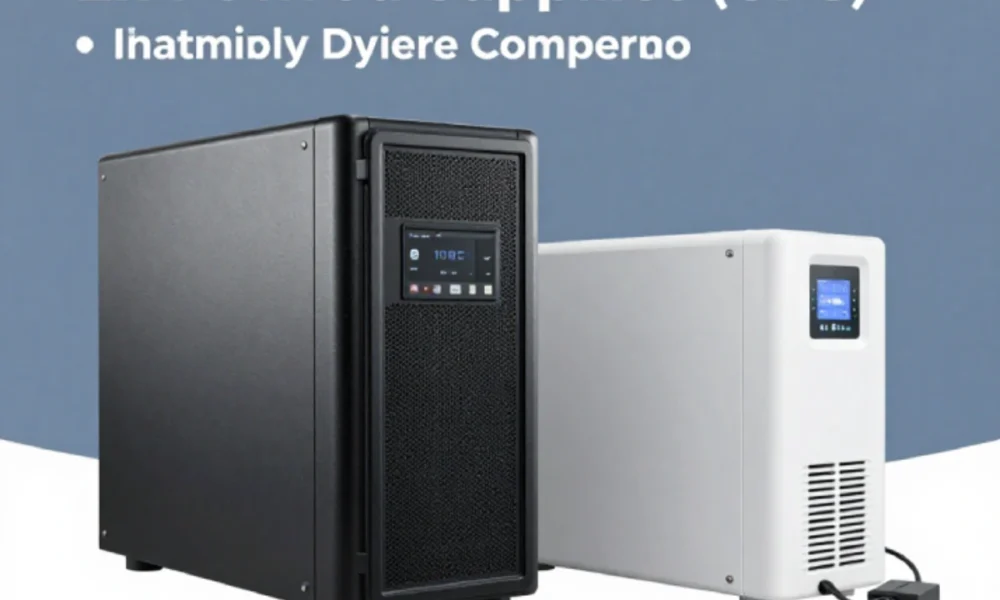
An uninterruptible power Supplies (UPS) is an electrical device that provides emergency backup power when the main power source fails. Unlike generators that take time to start, UPS systems deliver near-instantaneous protection by drawing energy from internal batteries, supercapacitors, or flywheels.
Table Of Content
- How UPS Systems Function
- Three Main Types of UPS Systems
- Standby UPS
- Line-Interactive UPS
- Online Double-Conversion UPS
- Common Applications
- Runtime and Capacity Considerations
- Battery Technology
- Protection Beyond Backup Power
- Monitoring and Management Features
- Installation and Maintenance
- Environmental Considerations
- Making the Right Choice
These devices serve two main purposes: they supply temporary power during outages, and they protect connected equipment from various electrical problems such as voltage spikes, sags, and complete power failures.
How UPS Systems Function
The four main functional components include batteries, an inverter, a rectifier, and a static bypass switch. Each component plays a specific role in maintaining continuous power.
The rectifier converts incoming alternating current (AC) power to direct current (DC) while simultaneously recharging the batteries. The inverter then converts this DC power back to AC for use by connected devices. When utility power fails, the system immediately switches to battery power without interrupting the electricity flow to protected equipment.
The static bypass switch provides an alternate power path if the UPS itself experiences a malfunction, allowing utility power to flow directly to connected devices.
Three Main Types of UPS Systems
There are three primary UPS topologies: standby, line-interactive, and online double-conversion. Each offers different levels of protection and operates differently.
Standby UPS
A standby UPS provides basic protection for consumer electronics, entry-level computers, and security systems. During normal operation, devices receive power directly from the wall outlet. The UPS monitors incoming voltage and switches to battery power only when it detects problems.
This switching typically occurs in 5 milliseconds or less, fast enough for most equipment to continue operating without interruption. These units cost less than other types but offer minimal power conditioning.
Line-Interactive UPS
Line-interactive systems add automatic voltage regulation to the basic standby design. When incoming voltage fluctuates within a certain range, the system adjusts it without switching to battery power. This reduces battery drain and extends battery life.
These units are commonly used for consumer electronics, gaming systems, network equipment, and entry-to-mid-range servers. They balance cost and performance effectively for most home and small office applications.
Online Double-Conversion UPS
An online UPS continuously converts incoming AC power to DC and then back to AC. This constant conversion process completely isolates connected equipment from all power quality issues.
Online systems regulate voltage within approximately 2-3% of nominal levels, compared to 8-15% for line-interactive units. They provide zero transfer time because the inverter continuously supplies power to connected devices. These systems cost more but offer the highest level of protection for sensitive equipment.
Common Applications
Different environments require different levels of power protection based on equipment sensitivity and the cost of downtime.
Home users typically rely on standby or line-interactive systems to protect computers, routers, gaming consoles, and entertainment systems. These provide sufficient protection for most residential needs while remaining affordable.
Small and medium businesses often choose line-interactive systems for network equipment, servers, and workstations. The automatic voltage regulation helps extend equipment life in areas with inconsistent power quality.
Data centers, medical facilities, and telecommunications infrastructure typically require online double-conversion systems. These environments cannot tolerate any interruption or power quality issues that might affect operations or patient safety.
Runtime and Capacity Considerations
Most uninterruptible power sources provide relatively short runtime, typically ranging from 5 to 15 minutes. This duration allows users to save work and properly shut down equipment or gives backup generators time to start.
UPS systems are rated in volt-amperes (VA), ranging from 300 VA to 5,000 kVA. Choosing the right size requires calculating the total power consumption of all connected devices. As a general guideline, select a UPS with a capacity rating approximately 20-30% higher than your calculated needs to account for future expansion and ensure the system doesn’t operate at maximum capacity.
Battery Technology
Modern UPS systems primarily use two battery types: sealed lead-acid (SLA) and lithium-ion. Each has distinct characteristics that affect performance, lifespan, and maintenance requirements.
Sealed lead-acid batteries have been the standard for decades. They cost less initially but typically last 3-5 years and perform poorly in high temperatures. They also require more physical space and weigh more than newer alternatives.
Lithium-ion batteries last longer, often 8-10 years, and perform better across various temperatures. They charge faster, take up less space, and weigh significantly less. However, they carry a higher upfront cost, which many users find justified by their extended lifespan and reduced maintenance needs.
Protection Beyond Backup Power
While backup power during outages represents the most visible UPS function, these systems protect against several other electrical problems that occur more frequently than complete power failures.
UPS systems filter out electrical noise and harmonics through advanced EMI/RFI noise filtering. This ensures clean power reaches sensitive equipment, reducing the risk of data corruption and extending equipment lifespan.
Voltage spikes and surges can damage internal components instantly. UPS systems absorb or redirect these dangerous voltage increases before they reach connected devices.
Some units normalize under-voltages and over-voltages, which ensures proper operation and preserves battery life for more serious power failures. This automatic correction happens seamlessly without user intervention.
Monitoring and Management Features
Most modern UPS systems include software or network interfaces for real-time power condition monitoring, event logging, and alert notifications. These features allow users to track power quality trends and plan for maintenance needs.
Many systems can communicate with connected computers to initiate automatic shutdown procedures when battery power runs low. This prevents data loss and ensures systems power down gracefully rather than crashing.
Alert systems notify users about battery replacement needs, overload conditions, or system malfunctions. Early warning of potential problems allows for proactive maintenance rather than reactive crisis management.
Installation and Maintenance
Setting up a UPS requires minimal technical expertise. Place the unit in a cool, well-ventilated area away from direct sunlight and moisture. Plug the UPS into a wall outlet, then connect your important devices to its battery-backed outlets.
Most units include both battery-backed outlets and surge-only outlets. Reserve battery-backed connections for essential equipment while using surge-only outlets for less critical devices.
Regular maintenance involves keeping the unit clean and dust-free, ensuring adequate ventilation around cooling vents, and testing the battery periodically. Most manufacturers recommend replacing batteries every 3-5 years for lead-acid types or 8-10 years for lithium-ion, though actual lifespan varies based on usage patterns and environmental conditions.
Environmental Considerations
Modern UPS systems incorporate energy-efficient designs that reduce electricity consumption during normal operation. This efficiency benefits both operating costs and environmental sustainability.
Proper battery disposal remains important. Lead-acid and lithium-ion batteries contain materials that require special recycling processes. Many manufacturers and retailers offer take-back programs for old batteries, ensuring they’re recycled properly rather than ending up in landfills.
Making the Right Choice
Selecting an appropriate UPS depends on several factors beyond just the power rating. Consider the sensitivity of your equipment, the reliability of your local power grid, and the cost of potential downtime.
Budget-conscious users with basic equipment can start with standby systems. Those experiencing frequent voltage fluctuations or protecting more sensitive equipment should consider line-interactive models. Mission-critical applications requiring continuous uptime and perfect power quality warrant investment in online double-conversion systems.
Understanding your specific needs and matching them to the appropriate UPS type ensures adequate protection without unnecessary expense. The right system provides peace of mind knowing your equipment remains protected from the various electrical problems that occur daily, not just during dramatic power outages.