

4 Ways to Ensure Safety During a Home Renovation
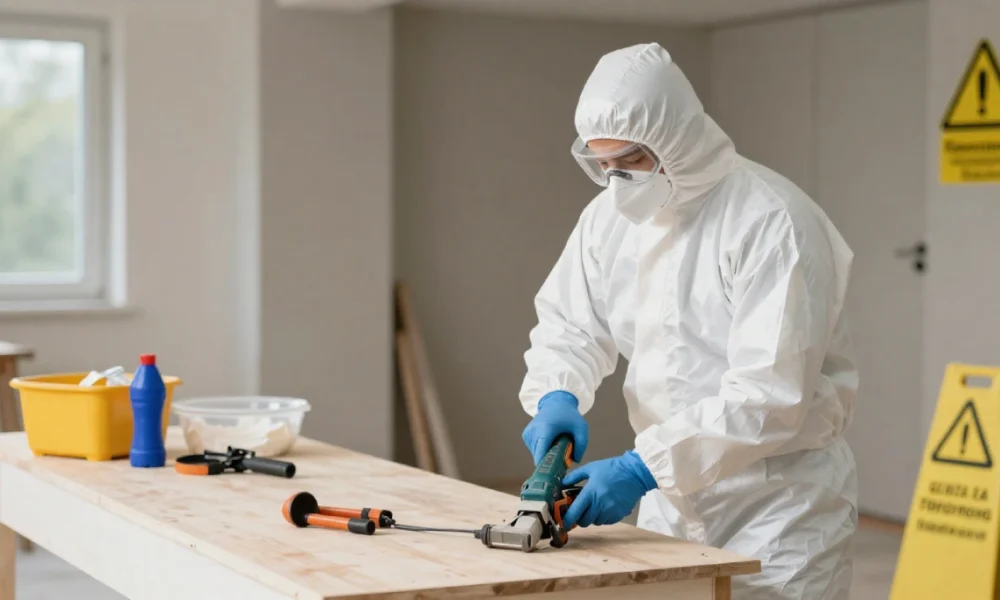
Home renovations can improve your living space significantly, but every project — large or small — carries real physical risks. Exposed wiring, hazardous materials, heavy equipment, and cluttered worksites create conditions where accidents happen quickly. Before any work begins, understanding how to manage these risks is just as important as planning the design itself. The four measures below cover the most critical areas of safety during a home renovation to protect you, your family, workers, and your property.
Table Of Content
1. Secure the Renovation Area
The first step is separating the active construction zone from the rest of your home and keeping unauthorized people out. Construction areas regularly contain sharp tools, exposed wiring, loose debris, and potentially toxic materials — all of which pose serious risks to anyone not directly involved in the work.
One reliable method is installing temporary fencing for home improvements around the perimeter of the work zone. Physical barriers prevent accidental entry, especially in homes with children or pets. Pair this with clear signage — “Construction Area – Keep Out” or “Authorized Personnel Only” — so the danger is immediately obvious to anyone approaching.
If you or your family will remain in the home throughout the project, establish firm ground rules about which areas are off-limits and enforce them consistently. Children should never enter active work zones, even briefly. All tools must be stored securely when not in use, and any access points into the construction area should be locked or blocked at the end of each workday.
Before work starts, also verify the following:
- Check whether your project requires building permits under local building codes. HVAC work, structural changes, plumbing, and electrical upgrades typically require permits. Skipping this step can create legal issues and make your home harder to sell.
- If the home was built before 1978, contact a certified environmental testing company to test for lead paint and asbestos before any demolition or sanding. Disturbing lead paint releases toxic dust linked to serious neurological damage, particularly in children. Asbestos, commonly found in older insulation, ceiling tiles, and vinyl flooring, can cause mesothelioma and lung cancer when inhaled. Neither hazard is visible to the naked eye.
- Test smoke detectors and carbon monoxide detectors before work begins, and keep a fire extinguisher accessible near areas where flammable materials or electrical work will be present.
2. Properly Handle and Store Tools and Materials
Renovation projects involve power tools, heavy materials, and chemical products that can cause serious injury when misused or left unattended. Establishing clear handling and storage protocols before work begins reduces accident risk throughout the project.
Anyone operating power tools — saws, drills, nail guns, angle grinders — should be fully trained on safe operation and familiar with the manufacturer’s instructions. Misuse of power tools is one of the most common causes of injury on residential job sites. Any damaged or malfunctioning tool should be taken out of service immediately, not used until repaired.
When tools are not in use, store them in a designated, secure area away from foot traffic. Power tools should be unplugged, not simply switched off. Sharp tools like utility knives and chisels should be stored with blade guards on. Extension cords and power leads should be coiled and stored, not left running across walkways.
Hazardous materials — paints, primers, solvents, adhesives, cleaning agents — require careful handling as well. Store these in a ventilated area away from heat sources and ignition points. Keep all containers properly labeled and sealed, and store them out of reach of children. When working with gasoline-powered equipment indoors or in enclosed spaces, ensure adequate ventilation to prevent carbon monoxide buildup.
If hiring contractors, verify that they carry both general liability insurance and workers’ compensation insurance before work begins. This protects you from being held financially responsible if a worker is injured on your property. Check their license status through your state licensing board, and contact the Better Business Bureau to review any complaints.
3. Use Proper Personal Protective Equipment (PPE)
Wearing the correct personal protective equipment (PPE) is essential for everyone in the construction zone, whether doing the work themselves or overseeing it. The Occupational Safety and Health Administration (OSHA) requires employers to provide appropriate PPE for any task with exposure to hazardous conditions — the same principle applies on a residential job site.
Standard PPE for home renovation includes:
- Safety goggles or glasses — protect eyes from dust, flying debris, and chemical splatter when drilling, sawing, or using spray products
- N95 or P100 respirator mask — essential when sanding drywall, cutting cement board, working with insulation, or when any risk of asbestos or lead dust exists; basic dust masks are not sufficient for fine particulate matter
- Hard hat — necessary when there is any risk of falling objects from above
- Work gloves — protect hands from sharp edges, splinters, chemicals, and heat
- Steel-toe boots — protect feet from dropped tools, heavy materials, and puncture hazards from nails and screws on the floor
- Ear protection (earplugs or earmuffs) — required when working with loud machinery for extended periods to prevent long-term hearing damage
- Full-coverage clothing — long sleeves, long pants, and closed-toe shoes when spray painting, applying chemical treatments, or removing potentially contaminated materials
PPE should be worn at all times within the construction zone, regardless of how brief the task appears. Protective gear should fit properly and be inspected before each use. Damaged or compromised gear — cracked goggles, torn gloves, degraded respirator seals — should be replaced, not reused.
If the project involves ladder work, apply the 4-to-1 rule: for every four feet of ladder height, the base should sit one foot away from the surface the ladder leans against. Inspect the ladder for stability before every use.
4. Keep the Worksite Clean and Organized
A disorganized worksite is a hazardous one. Cluttered floors, scattered tools, and uncleared debris create tripping hazards, slow down work, and hide dangers that are easy to miss. Maintaining order throughout the project is one of the most effective ways to prevent injuries.
At the end of each workday, sweep and clear the work area. Dispose of sharp debris — nails, screws, broken glass — carefully, using puncture-resistant bags or containers. Coil and store extension cords to remove trip hazards. Stack heavy materials against walls or on stable shelving so they cannot tip or fall. Conduct a quick visual inspection before leaving to identify anything that could create a hazard overnight.
Air quality is another worksite cleanliness issue that is often overlooked. Sanding, cutting, and demolition generate fine dust particles that collect on air filters and circulate through HVAC systems. Change or clean your home’s air filters regularly during any renovation that generates dust or fumes. For significant dust-producing work, consider using a HEPA vacuum to clean surfaces rather than sweeping, which can reintroduce particulate matter into the air. If you are using oil-based paints, varnishes, or chemical solvents, increase ventilation and, where feasible, leave the area temporarily while fumes dissipate.
Protecting non-work areas of the home is equally important. Cover floors in high-traffic paths with construction paper, hardboard, or canvas drop cloths to prevent damage. Use plastic sheeting to seal doorways between the work zone and living areas, which also helps contain dust and debris. Wrap or remove furniture and appliances from areas adjacent to the construction zone.
An organized worksite also benefits everyone working on the project. Workers can move safely, locate tools without searching, and complete tasks more accurately when the environment around them is clean and controlled.
Conclusion
Home renovations carry inherent risks, but careful planning and consistent safety practices reduce those risks significantly. Securing the work area, handling tools and materials correctly, wearing appropriate PPE, and maintaining a clean jobsite are the four foundations of a safer renovation. If you are also evaluating your home’s exterior as part of a broader improvement project, read our guide on whether your current siding is worn out to understand the signs, risks, and value of replacement.