How to Use Women’s Accessories to Transform Any Outfit
How to Use Women’s Accessories to Transform Any Outfits have the power to instantly transform an outfit and create distinctive personal style. For women, accessories aren’t just embellishments—they’re tools for creativity and confidence. The right pieces can showcase your personality and make any look feel complete.
Table Of Content
- The Versatility and Visual Impact of Accessories
- How Accessories Pull a Look Together
- The Meaning Behind Your Accessory Choices
- Strategic Tips for Accessorizing
- Match Accessories to Your Activity
- Complement Your Personal Style
- Consider Proportions and Placement
- Follow Trends Selectively
- Work Within a Color Palette
- Prioritize Wearability
- The Most Powerful Accessories for Women
- 1. Handbags
- 2. Statement Jewelry
- 3. Watches
- 4. Scarves
- 5. Footwear
- 6. Belts
- Essential Accessorizing Guidelines
- FAQs
- How many accessories should you wear at once?
- How do I choose accessories that match my outfit?
- What basic accessories should every woman own?
- How can I transition accessories from day to night?
- Which designers specialize in women’s accessories?
- Key Takeaways
Whether it’s jewelry, handbags, scarves, hats, or shoes, accessories provide the finishing touch that turns separate clothing items into a cohesive ensemble.
The Versatility and Visual Impact of Accessories
Accessories offer remarkable versatility. You can swap them frequently to create entirely new outfits from existing wardrobe pieces, keeping your style fresh without constant shopping.
The same jeans and top combination works for the office with classic pumps and pearls, then transitions to evening wear with strappy heels and a statement necklace. This adaptability makes accessories one of the most cost-effective ways to expand your wardrobe.
Beyond versatility, accessories create visual interest and focal points. Jewelry draws attention to your face, while shoes can lengthen your silhouette. Thoughtfully chosen pieces add color, texture, and dimension to any outfit.
You can take style risks with trendy accessories without major investment. Play with bold colors, patterns, and textures that might feel overwhelming in larger garments. This freedom lets you experiment and discover what resonates with your personal aesthetic.
How Accessories Pull a Look Together
Accessories unite separate clothing pieces into one polished ensemble. They serve both aesthetic and functional purposes that complete your outfit.
Aesthetically, accessories provide visual continuity. Matching your bag and shoe colors connects the top and bottom halves of your outfit. Complementary jewelry and scarf tones make color schemes feel intentional rather than accidental.
Stylistic consistency also matters—pairing sleek minimalist jewelry with a structured handbag creates coherence, while mixing bohemian pieces with formal wear can feel disjointed.
Functionally, accessories solve practical needs. Sunglasses protect your eyes while adding sophistication. Gloves keep hands warm in winter. Bags carry daily essentials conveniently. Every accessory serves a purpose beyond appearance.
When you align accessories with your planned activities and occasion, they work harder for you. Their colors, patterns, and details combine to convey a specific mood that matches where you’re going and what you’re doing.
The Meaning Behind Your Accessory Choices
Accessories often carry personal significance. Jewelry passed down from family members or gifted by loved ones holds sentimental value. Some pieces commemorate important moments and memories, making them deeply meaningful beyond their monetary worth.
Your accessory choices also communicate social signals. Designer items can indicate refined taste or professional success. Handcrafted artisan pieces suggest appreciation for creativity and craftsmanship. Heirloom jewelry conveys tradition and heritage.
Accessories may also show group affiliation—whether through cultural patterns, organizational symbols, or shared aesthetic preferences. They tell observers about your values, interests, and identity.
On a practical level, different accessories project different energy. Bold, colorful pieces suggest confidence and creativity. Understated, classic accessories convey professionalism and reliability. Your choices shape how others perceive you while reflecting your authentic self.
Strategic Tips for Accessorizing
Once you understand how accessories work, you can use them strategically for any occasion.
Match Accessories to Your Activity
Choose pieces suited to your plans. Bring only essentials to keep hands free for active outings like concerts or amusement parks. Select comfortable shoes for all-day events. Save statement pieces for occasions where they’ll be appreciated and practical.
Complement Your Personal Style
Let accessories showcase your individuality authentically. If you’re creative and artistic, explore bold colors and unusual shapes. If you prefer classic elegance, invest in timeless pieces in neutral tones. Your accessories should feel like a natural extension of who you are.
Consider Proportions and Placement
Accessories should enhance your best features. Long necklaces and dangling earrings elongate the neck. Rings on multiple fingers create visual length in smaller hands. Place statement pieces near features you want to highlight, and keep other items proportionate.
Follow Trends Selectively
Add contemporary touches to avoid dated looks, but don’t overdo it. One trendy bag or piece of jewelry can refresh your entire wardrobe. Limit trend-driven pieces so your overall style remains relatively timeless and versatile.
Work Within a Color Palette
Build outfits around cohesive color schemes for a polished appearance. Warm metals like gold complement earth tones. Cool metals like silver match grayscale hues. When your accessories share a color family with your clothing, everything looks intentional.
Prioritize Wearability
Choose accessories you’ll actually wear regularly. Delicate items requiring special care often remain unused. Heavy pieces that cause discomfort get abandoned. Select durable, well-made accessories appropriate for your lifestyle and budget.
The Most Powerful Accessories for Women
Certain accessory categories offer exceptional versatility and impact.
1. Handbags
A quality handbag functions as both practical tool and style statement. Designer options from brands like Gucci, Coach, and Kate Spade signal refined taste, while leather totes add casual sophistication. Structured bags convey professionalism, and convertible styles transition seamlessly from day to night.
Beyond aesthetics, ensure your bag fits your essentials and suits your daily needs. A beautiful bag that doesn’t hold your laptop or causes shoulder pain won’t serve you well.
2. Statement Jewelry
Bold, artistic jewelry creates immediate visual impact. Pieces like chokers, cuffs, and cocktail rings add edge to simple outfits. Layering necklaces or stacking rings creates textural interest and depth.
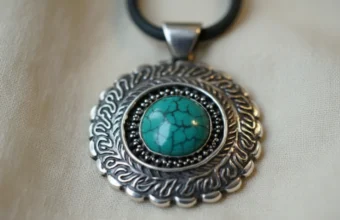
Look for handcrafted pieces with unusual shapes or natural stones for organic texture. Sculptural metals and eye-catching colors display fine craftsmanship while communicating confidence and creativity.
3. Watches
A quality watch enhances any outfit while serving a practical purpose. Leather bands work with casual attire, while metal bands suit business settings. Decorative or jeweled bands add flair to evening wear. Consider digital or smartwatches if you value technology integration alongside style.
4. Scarves
A silk scarf offers an effortless way to add color, pattern, or femininity. Drape them around your neck to frame your face flatteringly, or tie them onto bags for a designer touch. Hair scarves, printed bows, and embellished clips provide playful finishing details.
5. Footwear
Shoes form the foundation of every outfit. Pumps project confidence and polish. Boots convey casual cool. Ballet flats offer understated elegance. Metallic heels and embellished flats bring glamour for special occasions.
Let footwear reflect your personality through color, texture, and silhouette—but always combine style with comfort. You’ll wear shoes that feel good far more often than painful ones, regardless of how they look.
6. Belts
Belts define your waistline and add structure to loose silhouettes. A leather belt adds polish to jeans, while a statement belt can transform a simple dress. They’re especially useful for creating shape in oversized or flowing garments.
Essential Accessorizing Guidelines
Follow these core principles for styling success:
Choose one focal point. Select one statement piece so accessories don’t compete—whether a bold necklace, colorful scarf, or designer bag.
Scale other pieces appropriately. When wearing one statement accessory, keep others subtle to prevent visual chaos.
Link colors intentionally. Incorporate complementary hues between clothing and accessories for cohesion.
Distribute visual weight. Place bolder accessories near simpler clothing areas, and lighter pieces near busier patterns for balance.
Mix metals purposefully. Combining silver, gold, and rose gold can work beautifully when done intentionally, but mixing randomly often looks unfinished.
Avoid over-accessorizing. Stick to 2-4 statement pieces. Beyond that, accessories compete rather than complement each other.
FAQs
How many accessories should you wear at once?
Aim for 2-4 statement accessories per outfit. This creates visual interest without appearing chaotic. More than four tends to look cluttered and distract from your overall appearance.
How do I choose accessories that match my outfit?
Consider color, patterns, textures, and shapes. Accessories work best when they share similar elements with your clothing. Also factor in the occasion, your planned activities, body proportions, and personal style preferences.
What basic accessories should every woman own?
Build your collection with versatile staples: a quality handbag, a reliable watch, layering necklaces in gold and silver, classic stud earrings, sunglasses, and a neutral scarf. Add unique statement pieces over time that reflect your individual style.
How can I transition accessories from day to night?
Swap a few key pieces to change your look. Replace flats with heels, switch minimal jewelry for statement pieces, and exchange a practical tote for an elegant clutch. Adding a blazer or dressy coat can also transform daytime accessories into evening-appropriate style.
Which designers specialize in women’s accessories?
Notable luxury designers include Gucci, Louis Vuitton, Chanel, Prada, Hermès, Cartier, Kate Spade, Coach, and Michael Kors. For unique pieces, explore sustainable independent designers and local artisans.
Key Takeaways
- Accessories instantly transform outfits through visual impact and personal expression
- They serve both aesthetic and functional purposes to create polished, complete looks
- Your accessory choices carry personal meaning and communicate your identity
- Match accessories to your activities, personal style, proportions, and color schemes
- Handbags, jewelry, watches, scarves, footwear, and belts offer the most styling versatility
- Follow core guidelines: choose one focal point, scale appropriately, and avoid over-accessorizing
Accessories provide a creative outlet for personal style. More than decoration, they communicate your story and values. With thoughtful selection and strategic styling, accessories become powerful tools that transform simple outfits into authentic representations of who you are.