

Wood Siding vs Vinyl Siding: Which Is Better for Your Home?
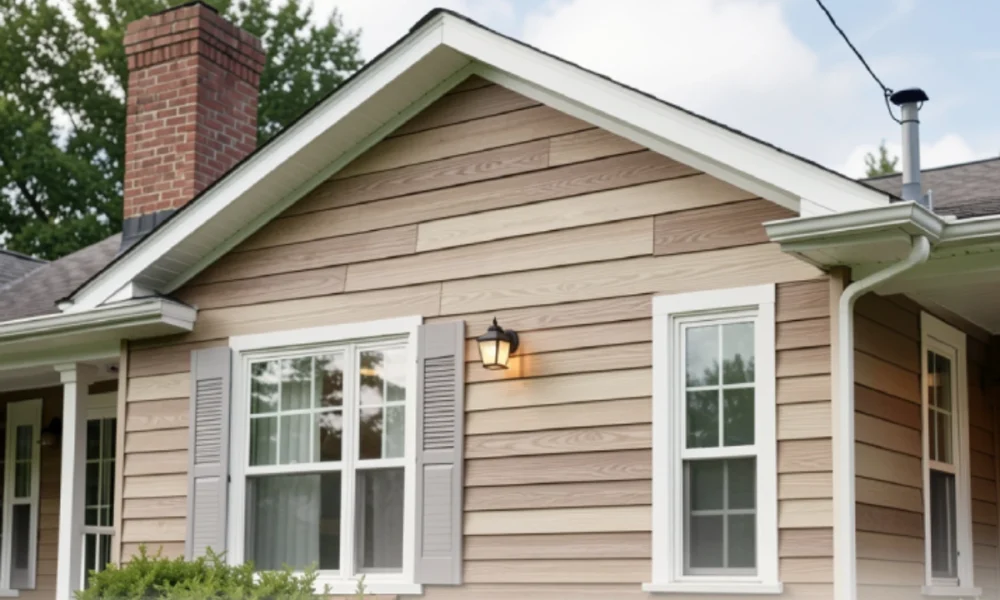
Wood Siding vs Vinyl Siding: Which Is Better for Your Home? Choosing the right exterior siding affects your home’s curb appeal, structural protection, energy performance, and long-term costs. Wood and vinyl are two of the most widely used siding materials in the U.S., each with distinct trade-offs. This guide breaks down both options across every major category so you can make a well-informed decision.
Table Of Content
- Quick Comparison: Wood vs Vinyl Siding
- Appearance and Aesthetic Quality
- Durability and Weather Resistance
- Maintenance Requirements
- Cost: Upfront vs Long-Term
- Energy Efficiency
- Environmental Impact
- Siding Styles Available in Both Materials
- Repair and Customization
- Effect on Resale Value
- Alternatives Worth Considering
- Which Should You Choose?
Quick Comparison: Wood vs Vinyl Siding
| Factor | Wood Siding | Vinyl Siding |
|---|---|---|
| Avg. Cost (installed) | $6–$10+ per sq ft | $2–$5 per sq ft |
| Maintenance | High (paint/stain every 3–7 years) | Low (occasional washing) |
| Lifespan | 20–40+ years (with upkeep) | 20–40 years |
| Insulation (R-value) | 0.81–0.87 | 0.67 (up to 3–4 with foam insulation) |
| Eco-Friendliness | High (if sustainably sourced) | Low (PVC-based) |
| Repair | Easy (replace individual boards) | Moderate (full panel replacement) |
| Resale Appeal | High | Moderate |
Appearance and Aesthetic Quality
Wood siding is known for its natural grain patterns, texture depth, and warmth that no manufactured product fully replicates. It suits traditional architectural styles including cottages, bungalows, Cape Cod homes, and craftsman designs. Wood can be painted or stained in virtually any color, giving homeowners full control over the finished look. On historic homes, wood siding is often required to preserve the structure’s original character.
Vinyl siding has improved significantly in appearance, with many products now featuring high-definition wood-grain embossing. However, vinyl can carry a visible plastic sheen, and the seams where panels overlap tend to be more noticeable than the flush fit of wood boards. For homeowners who prioritize authenticity, vinyl remains a visual compromise regardless of the grade.
Durability and Weather Resistance
Vinyl resists rot, moisture, and insect damage by nature of its PVC composition. It will not warp or expand due to moisture exposure, making it a reliable choice across a range of climates. However, vinyl can crack in extreme cold and, in rare cases, warp when exposed to intense direct heat, such as reflected sunlight from nearby windows or a grill placed too close to the wall.
Wood durability varies significantly by species. Cedar, redwood, and cypress offer natural resistance to rot and insects, while pine and fir require more consistent treatment. All wood siding expands and contracts with temperature and humidity changes, which can cause warping or gaps over time if not properly maintained. Engineered wood siding, which is treated in the factory with protective coatings, addresses many of these vulnerabilities and offers improved stability compared to raw lumber.
Maintenance Requirements
Vinyl requires very little upkeep. Periodic washing with soapy water keeps it clean, and there is no need for painting, sanding, or staining. One consistent drawback is that individual vinyl panels can loosen and detach, and color matching during repairs can be difficult, especially if the original product has faded or been discontinued.
Wood siding requires repainting or restaining every three to seven years, depending on climate and sun exposure. Without consistent maintenance, wood is vulnerable to moisture penetration, rot, and insect infestation, including termites and wood-boring beetles. Prompt repairs are straightforward — individual boards can be replaced without disturbing the rest of the facade — but the ongoing schedule of treatment is a real cost in both time and money.
Cost: Upfront vs Long-Term
Vinyl is considerably less expensive to purchase and install. Material and labor combined typically run $2–$5 per square foot. For a 1,500-square-foot home, the total installed cost generally falls in the $5,500–$7,000 range.
Wood siding carries higher upfront costs, averaging $6–$10 per square foot installed, with premium species like clear cedar running higher. For the same 1,500-square-foot home, expect $10,000–$14,000 or more depending on the wood type, profile style, and labor rates in your area. Factoring in repainting and treatment cycles over 20–30 years, the lifetime cost gap between the two materials narrows considerably.
Energy Efficiency
Without additional insulation, wood holds a slight advantage. Wood siding has an R-value of approximately 0.81–0.87, compared to vinyl’s 0.67. In practice, neither material provides meaningful insulation on its own — a properly insulated exterior wall should reach R-13 or higher through the wall assembly.
Insulated vinyl siding, which incorporates a layer of foam backing, can reach an R-value of 3–4. This makes insulated vinyl a more practical choice for homeowners looking to improve thermal performance at the siding level without a full wall insulation project.
Environmental Impact
Wood sourced from certified, sustainably managed forests is a biodegradable, renewable material with a comparatively low carbon footprint. Certifications such as FSC (Forest Stewardship Council) or SFI (Sustainable Forestry Initiative) indicate responsible sourcing. However, finding certified wood at scale can be challenging depending on your region.
Vinyl siding is manufactured from PVC (polyvinyl chloride), a petroleum-derived plastic. The production process releases volatile organic compounds (VOCs) and other chemicals. Vinyl is not readily biodegradable and has limited recyclability at end of life. For homeowners weighing environmental impact, wood from verified sustainable sources is the more responsible choice.
Siding Styles Available in Both Materials
Both wood and vinyl are available in several installation profiles, including:
- Horizontal lap / clapboard — the most common style, with overlapping horizontal boards
- Board and batten — alternating wide boards and narrow vertical strips, popular for farmhouse and modern exteriors
- Shingles and shakes — tapered pieces that mimic cedar shingles, often used on Cape Cod and coastal homes
- Dutch lap — similar to clapboard but with a decorative groove cut along the top edge
- Log cabin profile — rounded boards that recreate a rustic log appearance
Wood offers more flexibility in plank width and custom cutting for unusual architectural details. Vinyl is more standardized in sizing, which limits certain custom applications.
Repair and Customization
Wood siding is straightforward to repair. A damaged board can be removed and replaced individually, and the new piece can be painted to match the rest of the wall without visible inconsistency. Wood can also be repainted in a different color at any time with standard preparation steps.
Vinyl repairs are more involved. When a panel is cracked or broken, the entire panel typically needs to be replaced. Matching the color of existing vinyl is often difficult if the product line has been updated or if the original has faded over time. Repainting vinyl is also not a standard practice and requires specialty primers and paints to adhere properly.
Effect on Resale Value
Wood siding, particularly cedar or redwood, is generally associated with higher resale values. Buyers interested in traditional or premium homes tend to view natural wood positively, and it can be a meaningful differentiator in competitive real estate markets.
Vinyl siding’s low-maintenance reputation can appeal to a broad range of buyers, particularly in markets where practical value takes priority. However, vinyl is unlikely to generate the same premium reaction as quality wood on upscale or architecturally distinctive properties.
Alternatives Worth Considering
If the drawbacks of both materials are a concern, fiber cement siding — such as products made by James Hardie — is a widely used alternative. Fiber cement is composed of sand, water, and cellulose fibers, offering strong resistance to moisture, pests, fire, and temperature extremes. It can be factory-painted in a range of colors and mimics wood grain closely. Modified wood products such as Accoya offer another high-performance option, with some manufacturers offering warranties of up to 50 years.
Which Should You Choose?
The right choice depends on what you prioritize:
Choose wood siding if you want authentic natural aesthetics, are purchasing a historic or architecturally distinctive home, care about environmental sustainability, and are prepared to commit to regular maintenance. Well-maintained wood siding can last 40 years or more and adds genuine character to a home’s exterior.
Choose vinyl siding if keeping maintenance low is your priority, your budget is tighter on the front end, or you live in a climate with moderate temperature swings where vinyl performs reliably. Insulated vinyl panels also offer a practical path to improved thermal performance without major construction work.
For homeowners in the Highland Park area considering wood siding installation, working with an experienced local contractor — such as a Fraser wood siding installer — ensures proper species selection, weatherproofing, and finish work that meets both aesthetic goals and local climate demands.