

EV Ownership Cost Breakdown: Charging, Maintenance, and Battery Replacement Explained
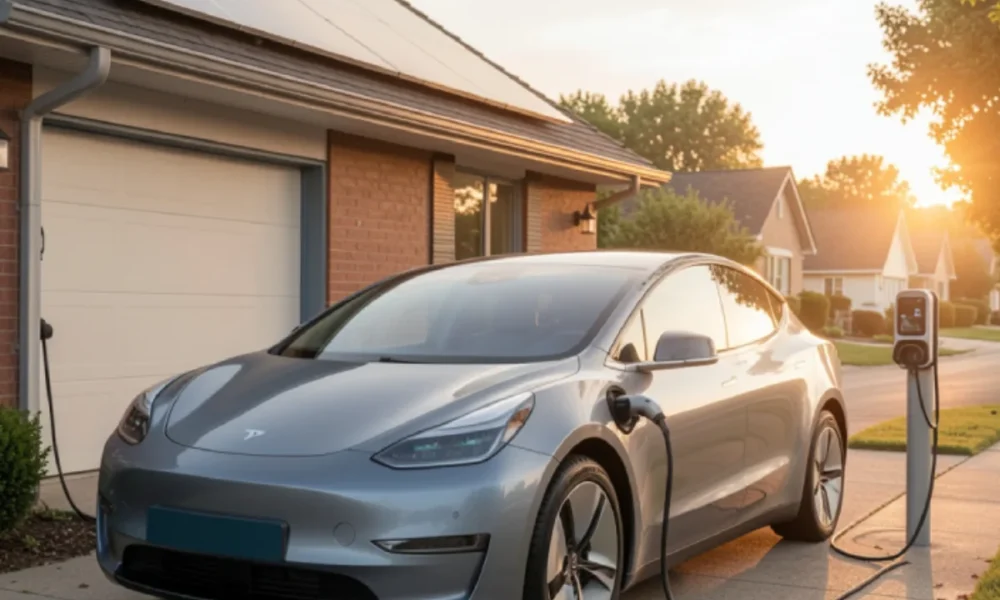
When people talk about buying an electric vehicle, the first question is usually simple: is it actually cheaper to own?
Table Of Content
- What Makes Up EV Ownership Costs?
- Charging Costs: Where Most EV Savings Start
- Home Charging Is Usually the Cheapest Option
- Public Charging Can Raise Your Costs
- Simple Charging Comparison
- Maintenance Costs: Usually Lower, But Not Zero
- What EVs Still Need
- Regenerative Braking Helps Reduce Wear
- Battery Replacement: The Cost Everyone Asks About
- Battery Degradation vs Battery Failure
- When Battery Replacement Becomes a Real Concern
- The Battery Warranty Matters a Lot
- Are EVs Really Cheaper to Own?
- Quick EV Ownership Cost Breakdown
- Who Benefits Most From EV Ownership?
- Final Thoughts
- FAQ
- Is EV charging always cheaper than gas?
- Do EVs really need less maintenance?
- How often do EV batteries need to be replaced?
- Is battery replacement the biggest EV expense?
- What is the biggest factor in EV ownership cost?
That is where a real EV ownership cost breakdown matters. The sticker price is only one part of the story. What most drivers really want to know is how much they will spend after they bring the car home, month after month and year after year.
The big three costs are charging, maintenance, and battery replacement. Once you understand those, it becomes much easier to compare an EV with a gas-powered car in a way that actually makes sense.
What Makes Up EV Ownership Costs?
Owning an EV usually comes down to a few core expenses:
- Charging at home or at public stations
- Routine maintenance like tires, cabin filters, and brake service
- Insurance, registration, and financing
- Long-term battery health and the possibility of battery replacement
For most people, the day-to-day savings come from lower fueling costs and less maintenance. The long-term concern is usually the battery.
Charging Costs: Where Most EV Savings Start
Charging is the part of EV ownership people notice first because it replaces trips to the gas station.
If you charge mostly at home, your cost per mile is often lower than what you would pay for gasoline. That is one of the main reasons many EV owners feel the difference in their monthly budget pretty quickly.
Home Charging Is Usually the Cheapest Option
Home charging is typically the most affordable and most convenient way to power an EV. You plug in overnight, wake up with more range, and avoid relying on public chargers for daily driving.
Your real cost depends on:
- Local electricity rates
- How much you drive each month
- The efficiency of your EV
- Whether you charge during lower-cost hours
Drivers with shorter commutes and access to home charging usually see the best value here.
Public Charging Can Raise Your Costs
Public charging is helpful, but it can cost more than charging at home. Fast chargers are especially convenient on road trips or busy weeks, but using them all the time can push your ownership costs higher.
If your routine depends heavily on public fast charging, your savings compared with a gas car may shrink. That does not automatically make an EV a bad choice, but it does change the math.
Simple Charging Comparison
| Charging Habit | Typical Cost Impact |
|---|---|
| Mostly home charging | Lowest ongoing energy cost |
| Mix of home and public charging | Moderate running cost |
| Mostly public fast charging | Highest charging cost for EV owners |
This is why two people with the same EV can have very different ownership experiences.
Maintenance Costs: Usually Lower, But Not Zero
One of the biggest advantages of an EV is that it has fewer moving parts than a traditional gas vehicle.
There is no oil change. No spark plugs. No exhaust system. No transmission fluid service in the way many gas cars require. That usually means fewer routine service visits and fewer surprise repairs tied to engine components.
What EVs Still Need
Even though maintenance is often lower, EVs are not maintenance-free. You still need to plan for things like:
- Tire replacement
- Brake service
- Cabin air filter changes
- Windshield wipers
- Suspension and alignment work
- Coolant or system checks depending on the model
Tires can wear faster on some EVs because the vehicles are often heavier and deliver instant torque. So while you may save money on engine-related maintenance, tire costs can become a bigger part of the picture.
Regenerative Braking Helps Reduce Wear
Many EVs use regenerative braking, which helps slow the vehicle while recovering energy. This can reduce wear on traditional brake components, which is a nice long-term benefit.
For a lot of owners, that means fewer brake jobs compared with a gas-powered car driven under similar conditions.
Battery Replacement: The Cost Everyone Asks About
Battery replacement is the most talked-about part of any EV ownership cost breakdown, mostly because it sounds expensive and a little intimidating.
The truth is more balanced than the internet usually makes it seem.
Most EV owners will not need a battery replacement early in the life of the vehicle. Modern EV batteries are built to last for years, and gradual battery degradation is much more common than sudden battery failure.
Battery Degradation vs Battery Failure
These are not the same thing.
Battery degradation means the battery slowly holds a little less energy over time. That can reduce driving range, but the car still works.
Battery failure is a more serious problem where the battery needs major repair or replacement.
Most buyers worry about total failure, but what usually happens in real life is slower range loss over time rather than an immediate breakdown.
When Battery Replacement Becomes a Real Concern
Battery replacement matters more in these cases:
- Buying an older used EV
- Purchasing a high-mileage EV
- Keeping the vehicle for a very long time
- Owning a model with limited battery repair support in your area
If you are buying new and plan to keep the car for a typical ownership cycle, battery replacement may never become an actual out-of-pocket issue for you.
The Battery Warranty Matters a Lot
A big part of EV peace of mind comes from the battery warranty. That warranty can make a huge difference in the true long-term risk of ownership.
Before buying, it is smart to check:
- Battery warranty length
- Coverage terms
- Minimum performance thresholds
- Whether repairs are module-based or full-pack replacement
That one detail tells you much more than random battery horror stories online.
Are EVs Really Cheaper to Own?
For many drivers, yes, especially if they:
- Charge at home
- Drive regularly enough to benefit from lower energy costs
- Keep up with normal maintenance
- Do not rely heavily on expensive public fast charging
The biggest savings usually come from daily operation, not from the purchase price.
That said, EV ownership is not automatically cheaper for everyone. If electricity is expensive where you live, public charging is your main option, or the EV has a much higher upfront cost than a similar gas car, the savings may take longer to show up.
Quick EV Ownership Cost Breakdown
Here is the simple version:
- Charging is often cheaper than gas, especially with home charging
- Maintenance is usually lower because EVs have fewer engine-related service needs
- Battery replacement is the biggest long-term concern, but it is not something most owners face early
- Your personal driving habits make a bigger difference than most headlines do
Who Benefits Most From EV Ownership?
EV ownership tends to work best for drivers who want lower everyday running costs and have a predictable routine.
That usually includes people who:
- Commute regularly
- Can charge at home
- Want fewer maintenance appointments
- Plan to keep the vehicle long enough to benefit from lower operating costs
If that sounds like you, an EV can make a lot of financial sense over time.
Final Thoughts
A good EV ownership cost breakdown is less about hype and more about how you actually live.
If you can charge at home, keep your maintenance routine simple, and choose a vehicle with strong battery warranty coverage, an EV can be easier on your wallet than many people expect.
The main thing is to stop looking at only the purchase price. Real ownership cost lives in the everyday details, and that is exactly where EVs often perform better than people assume.
FAQ
Is EV charging always cheaper than gas?
Not always, but it often is when you charge at home. If you rely mostly on public fast chargers, the savings can be smaller.
Do EVs really need less maintenance?
Yes, in many cases they do. EVs skip several common gas-car services, but they still need tires, brakes, filters, and general upkeep.
How often do EV batteries need to be replaced?
Most EV owners do not replace the battery early in the vehicle’s life. More often, the battery gradually loses some range over time instead of failing all at once.
Is battery replacement the biggest EV expense?
It is usually the biggest long-term concern, but not the most common day-to-day cost. Charging and tire wear are more immediate ownership costs for most drivers.
What is the biggest factor in EV ownership cost?
Charging habits are one of the biggest factors. Home charging usually gives the best ownership value, while heavy public fast charging can raise costs.