

How to Protect Your Car from Weather Damage
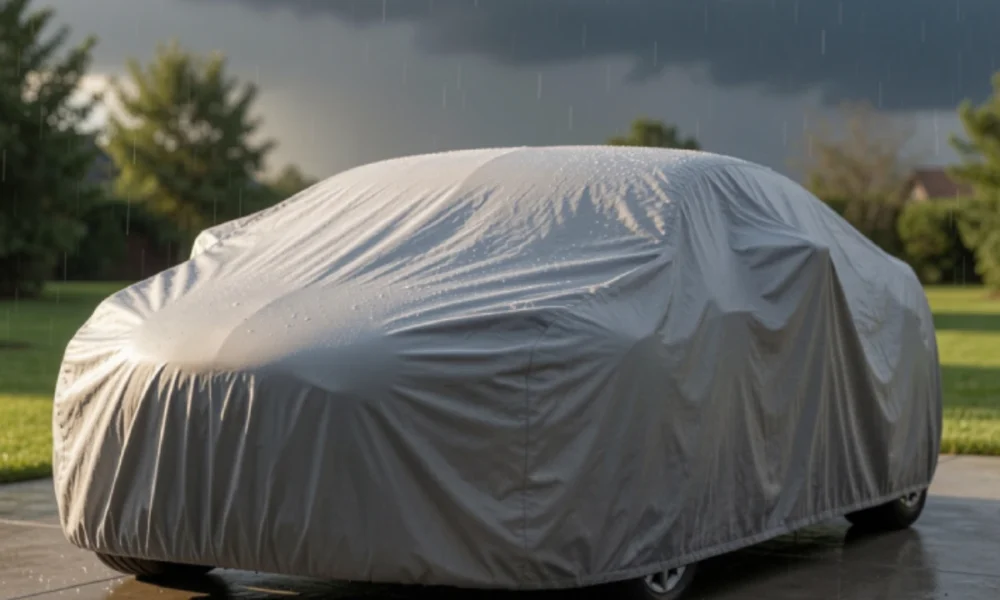
Weather is one of the most consistent and underestimated causes of car deterioration. UV rays break down your clear coat and fade plastic. Rain promotes rust in neglected spots. Road salt eats through metal. Hail dents body panels. Heat cracks dashboards and ages rubber seals.
Table Of Content
- Why Weather Damages Cars the Way It Does
- Where You Park Matters More Than Most People Think
- Car Covers
- Regular Washing Prevents Long-Term Surface Damage
- Protecting the Paint Surface
- Protecting the Interior from Sun and Heat
- Rain, Moisture, and Rust Prevention
- Winter Car Care
- Preparing for Hail and Storms
- Seasonal Checks
- Where to Start If You Are Not Doing Any of This Yet
- FAQs
- Can rain alone cause rust?
- Is a car cover worth it if I only park outside occasionally?
- How often should I apply wax?
- What is the difference between paint sealant and ceramic coating?
None of these happens overnight, which is exactly why most people ignore them until the damage is already done. The good news: a consistent routine of basic habits stops most of this before it starts, and none of it requires a big budget.
Why Weather Damages Cars the Way It Does
Each type of weather attacks a different part of the vehicle. Sun’s UV rays degrade the clear coat — the transparent layer that sits on top of your paint and gives it gloss and protection. Once the clear coat starts failing, the paint underneath fades and becomes harder to restore. UV also dries out rubber seals, trims, and dashboard materials.
Rain by itself is not the main threat. The problem is what comes with it: road grime, minerals in the water, and the way moisture sits in tight spaces like door jambs, drain channels, and wheel wells. Over time, trapped moisture leads to rust — especially if the paint already has small chips or scratches.
Snow and ice bring an additional threat: road salt. Salt accelerates corrosion significantly. It attacks the undercarriage, wheel wells, and any exposed metal far faster than rain alone. Cold also stresses your battery, drops tire pressure, and thickens engine fluids.
Wind pushes abrasive dust and debris across paint surfaces, and hail can dent body panels and crack glass before you have time to react.
Where You Park Matters More Than Most People Think
Covered parking is the single most effective way to limit weather exposure. A garage protects against direct sun, rain, frost, hail, falling branches, and bird droppings — essentially the full list of daily threats.
If a garage is not available, look for a covered parking structure or a spot in open shade. Be careful with long-term parking under trees — shade helps with UV exposure, but trees drop sap, pollen, and bird droppings, all of which are acidic and damaging to paint if left to sit.
When no shelter is available, a properly fitted car cover is the next best option.
Car Covers
A car cover works well for outdoor storage, but the quality of the cover matters. A loose cover will flap in the wind and rub against the paint — which defeats the purpose. Look for a cover that fits your specific model, uses breathable material (to prevent moisture buildup underneath), and is rated for your local climate.
A standard outdoor cover handles UV rays, rain, dust, bird droppings, tree sap, and light snow effectively. For hail, you need a padded hail-resistant cover — a standard cover provides minimal protection against anything larger than very light hail.
Regular Washing Prevents Long-Term Surface Damage
A dirty car is more vulnerable than a clean one. Dust, road grime, bird droppings, bug residue, and water minerals all sit on the surface and slowly work through the clear coat. Bird droppings are particularly aggressive — their acidity can etch paint within hours in direct sun.
For most drivers in normal conditions, washing every two weeks is enough. Increase the frequency to weekly if your car is regularly exposed to heavy dust, rain, mud, or road salt. After exposure to bird droppings, tree sap, or road salt, wash as soon as possible — do not wait for your regular schedule.
Pay attention to the undercarriage. That area collects road salt and mud, and it is the most common place for rust to start because most people never look at it.
Protecting the Paint Surface
Washing removes contaminants, but it does not protect the clear coat from future exposure. That is what wax, paint sealant, and ceramic coating are for.
| Protection Option | How Long Does It Last | Best For |
|---|---|---|
| Car wax | 1–3 months | Regular at-home upkeep, low effort |
| Paint sealant | 6–12 months | Drivers who want less frequent reapplication |
| Ceramic coating | 2–5 years | Long-term protection with a one-time professional application |
Even a basic wax routine two to three times a year creates a meaningful barrier between the clear coat and the elements. Paint sealant is the better option if you want longer protection without visiting a detailer. Ceramic coating bonds to the paint chemically and is the most durable choice, but it costs significantly more and is best applied professionally.
If your car has visible paint chips or scratches, address those before applying any protective layer. Sealing moisture or grime under wax speeds up rust rather than preventing it.
Protecting the Interior from Sun and Heat
The interior takes a serious beating from UV exposure, especially the dashboard, door trims, and any seat material that gets direct sunlight. UV fades and cracks these surfaces over time — and once a dashboard cracks, there is no reversing it without replacement.
A windshield sunshade is the cheapest and most effective interior protection for a parked car. It keeps cabin temperatures significantly lower and blocks UV from reaching the dashboard directly. Apply an interior protectant product to vinyl and plastic surfaces two to three times a year to keep them from drying out and cracking. If your seats get regular direct sun exposure, seat covers extend their life considerably.
Window tint with UV-blocking properties is worth considering if your car spends most of its life in the sun. It reduces both interior heat and UV damage simultaneously.
Rain, Moisture, and Rust Prevention
The places where water hides — not the paint surface — are where rain causes lasting damage. Door jambs, trunk edges, drain channels behind the hood, and the undercarriage are the common problem areas. If drain channels clog with leaves or debris, water sits in places it should not, and rust follows.
Check and clean those channels when you wash the car. Inspect door and trunk weather seals seasonally — a cracked or compressed seal lets water into the interior. If the car smells musty inside, moisture has already found a way in somewhere and needs to be traced.
After heavy rain, dry the door jambs and trunk edges if you have time. It takes a few minutes and removes the moisture before it has a chance to work into hidden seams.
Winter Car Care
Cold weather compounds the risk from moisture because it adds road salt to the equation. Salt is corrosive to metal and accelerates rust formation on the undercarriage and wheel wells — areas that standard washing often misses.
Before and during winter, focus on these:
- Check your battery — cold reduces battery output, and a weak battery often fails in winter
- Monitor tire pressure weekly — pressure drops roughly 1 PSI for every 10°F drop in temperature
- Replace wiper blades if they are older than a year — winter-specific blades handle ice and snow better
- Use winter-grade washer fluid — standard fluid freezes in the reservoir or on the windshield
- Wash the undercarriage and wheel wells regularly throughout winter to clear road salt
- Keep a windshield cover or frost guard handy if your car parks outside overnight
If you live in an area with heavy road salt use, consider having the undercarriage coated with a rust inhibitor before winter. It is a relatively low-cost application that extends the life of the undercarriage significantly.
Preparing for Hail and Storms
Hail damage is fast, expensive, and largely preventable with early action. The keyword is early — if hail is forecast, move the car into a garage, covered structure, or parking deck before the storm arrives. Waiting until hail starts is too late.
If covered parking is not available and hail is expected, a padded hail cover is worth owning if you live in a region where hail is common. Blankets and moving pads used as a layer over the car provide some protection in a pinch, but they are not designed for it.
Seasonal Checks
Weather damage accumulates gradually. A small paint chip ignored through a rainy season becomes a rust spot. A cracked door seal ignored through winter becomes water inside the cabin. Doing a visual check every few months costs nothing and catches problems at the stage when they are still cheap to fix.
Every season, check:
- Paint the surface for chips, scratches, and fading
- Rubber seals on doors, windows, and trunk for cracking or compression
- Wiper blades for streaking or poor contact
- Tire condition and pressure
- Any rust spots forming on the undercarriage or wheel wells
- Interior surfaces for fading or drying
If you find chips or scratches, touch-up paint from the manufacturer covers them and stops moisture from getting to bare metal. It is not a cosmetic fix — it is a rust prevention step.
Where to Start If You Are Not Doing Any of This Yet
You do not need to do everything at once. If your car currently gets no protection beyond occasional washing, start here:
- Buy a can of car wax and apply it — one afternoon, maybe twice a year
- Get a windshield sunshade if your car parks outside during the day
- Add an undercarriage rinse to your next car wash if you live somewhere with road salt or mud
- Check your door seals and drain channels the next time it rains heavily
From there, add the rest incrementally. The habits that matter most — parking smart, washing regularly, and protecting the paint — are also the simplest ones.
FAQs
Can rain alone cause rust?
Rainwater itself is not strongly corrosive, but it becomes a problem when it carries road grime, sits in clogged drains, or gets under a paint surface that has chips or scratches. Clean, intact paint handles rain well. Neglected surfaces do not.
Is a car cover worth it if I only park outside occasionally?
For occasional overnight parking in mild weather, probably not. If your car sits outside for multiple days at a time or in harsh sun, a cover earns its value quickly.
How often should I apply wax?
Two to three times a year for most conditions. More often, if the car is regularly exposed to harsh sun, salt, or heavy rain. A quick test: pour a small amount of water on the hood. If it beads up, the wax is still working. If it spreads flat, it is time to reapply.
What is the difference between paint sealant and ceramic coating?
Sealant is a chemical polymer applied like wax — it lasts longer than wax but eventually wears off. Ceramic coating chemically bonds to the clear coat and lasts years, not months. Ceramic coating costs significantly more and is best applied by a professional because preparation and application errors are hard to reverse.