

Future of EV Batteries: Solid-State & Beyond
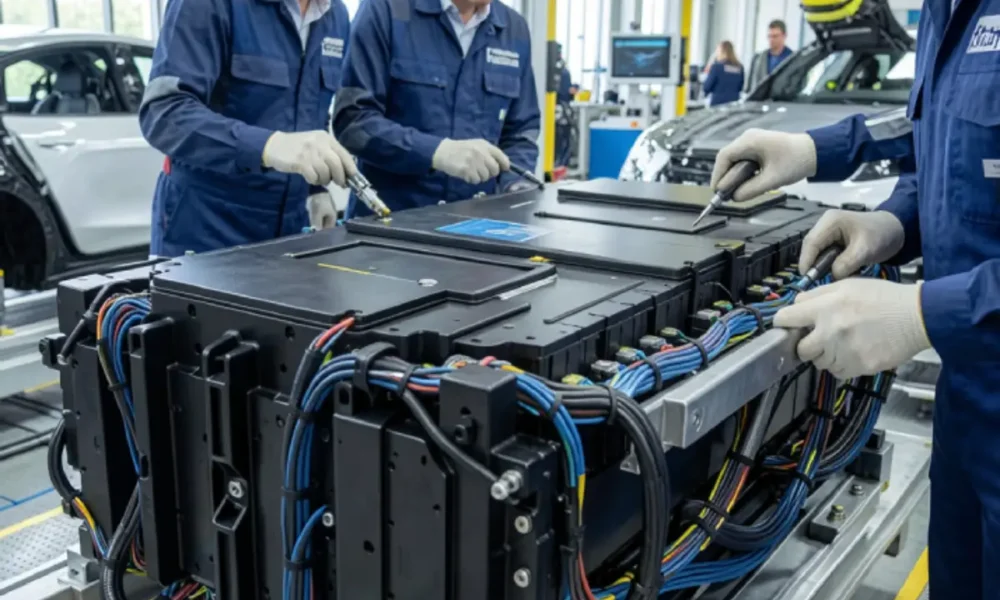
Electric vehicles have already changed how people think about driving, but the battery is still the real star of the show. It decides how far a car can go, how fast it charges, how long it lasts, and how much it costs. That is exactly why the future of EV batteries matters so much.
Table Of Content
- What Is Changing in EV Battery Technology?
- Why Today’s Lithium-Ion Batteries Are Not the Endgame
- Solid-State Batteries: Why Everyone Is Watching Them
- What makes solid-state batteries exciting?
- Why solid-state batteries are not everywhere yet
- Beyond Solid-State: Other Battery Technologies That Matter
- Lithium Iron Phosphate (LFP)
- Silicon Anodes
- Sodium-Ion Batteries
- Semi-Solid and Hybrid Designs
- What the Future of EV Batteries Means for Drivers
- 1. Longer range without oversized battery packs
- 2. Faster charging that feels more convenient
- 3. Better safety and thermal control
- 4. Lower EV prices over time
- 5. Longer battery life
- The Real Future May Be a Mix, Not One Winner
- Challenges That Still Need to Be Solved
- Manufacturing at scale
- Supply chain pressure
- Charging infrastructure
- Consumer trust
- So, What Comes After Solid-State?
- Final Thoughts
- FAQ
- What is the future of EV batteries?
- Are solid-state batteries better than lithium-ion?
- Will future EV batteries charge faster?
- Will EV batteries become cheaper?
- What comes after solid-state batteries?
Right now, most electric cars still rely on lithium-ion batteries. They work well, but they are not the final version of EV power. Automakers, battery startups, and researchers are all racing toward something better: batteries that are safer, lighter, cheaper, faster to charge, and able to deliver more range without making EVs feel out of reach.
The biggest name in that conversation is solid-state batteries, but the story does not stop there. The next era of EV batteries will likely be shaped by a mix of new chemistry, smarter design, and better manufacturing.
What Is Changing in EV Battery Technology?
For years, battery progress was mostly about gradual improvement. Carmakers found ways to squeeze out more range, reduce charging times, and improve thermal management. Now the industry is moving into a more ambitious phase.
The next generation of EV batteries is focused on a few big goals:
- Higher energy density
- Faster charging
- Better safety
- Lower production costs
- Longer battery lifespan
- Reduced dependence on hard-to-source materials
In simple terms, the battery of the future needs to do more while taking up less space, costing less money, and creating fewer trade-offs for drivers.
Why Today’s Lithium-Ion Batteries Are Not the Endgame
Lithium-ion batteries helped launch the EV revolution, but they come with limits. Charging can still feel slow compared to filling a gas tank. Battery packs are heavy. Heat management is complex. And although range has improved a lot, range anxiety still shapes buying decisions.
There is also the issue of materials. Some current battery chemistries rely on minerals that can be expensive, difficult to scale, or politically sensitive. That pushes the industry to explore alternatives that are more affordable and easier to produce at scale.
Lithium-ion is still the present, but the future of EV batteries will be about moving beyond its weak points.
Solid-State Batteries: Why Everyone Is Watching Them
Solid-state batteries have become the headline technology for a reason. Instead of using a liquid electrolyte like traditional lithium-ion batteries, they use a solid electrolyte. That one shift could unlock several major improvements.
What makes solid-state batteries exciting?
A solid-state battery is expected to offer:
- More energy in a smaller package
- Improved safety due to lower fire risk
- Potentially faster charging
- Better range without dramatically increasing battery size
- Longer-term performance gains
For drivers, that could mean an EV that goes farther, charges quicker, and feels more practical in everyday life.
Why solid-state batteries are not everywhere yet
If solid-state sounds so promising, the obvious question is: why are we not already using it in every EV?
The answer is scale. Making solid-state batteries work in labs is one thing. Building millions of them consistently, affordably, and reliably is much harder. Companies still need to solve issues related to manufacturing complexity, durability, and cost.
That is why solid-state batteries are often described as the future, but not the entire future. They are likely to arrive in stages, first in premium models or limited applications before reaching the mass market.
Beyond Solid-State: Other Battery Technologies That Matter
Solid-state gets the attention, but it is not the only path forward. The future of EV batteries will probably include several competing chemistries, each with its own strengths.
Lithium Iron Phosphate (LFP)
LFP batteries are already gaining traction because they are known for lower cost, strong durability, and improved thermal stability. They may not always deliver the highest range, but they make a lot of sense for affordable EVs and daily commuting.
For many drivers, a cheaper battery with dependable performance is more valuable than chasing the absolute maximum range.
Silicon Anodes
Another major area of innovation is the anode. By adding more silicon into battery anodes, manufacturers may be able to increase energy density and improve charging performance.
This matters because not every breakthrough requires a totally new battery chemistry. Sometimes a big leap comes from upgrading one part of the battery rather than reinventing the whole pack.
Sodium-Ion Batteries
Sodium-ion batteries are getting attention as a possible lower-cost alternative for certain vehicles and use cases. Sodium is more abundant than lithium, which makes this technology especially interesting for scale and affordability.
They may not replace lithium-based batteries across the board, but they could become important for budget EVs, urban vehicles, or energy storage systems connected to EV ecosystems.
Semi-Solid and Hybrid Designs
Some companies are also working on batteries that sit between traditional lithium-ion and full solid-state. These designs aim to capture some of the benefits of solid-state without waiting for the full technology to mature.
That middle ground could be a practical stepping stone, especially if it helps bring better range and charging speeds to market sooner.
What the Future of EV Batteries Means for Drivers
For the average person, battery innovation is not just about chemistry. It is about experience.
If next-generation batteries deliver what they promise, EV ownership could look very different in the coming years.
1. Longer range without oversized battery packs
Instead of making cars heavier with bigger packs, future batteries may deliver more range from the same footprint. That could improve efficiency and design flexibility at the same time.
2. Faster charging that feels more convenient
Charging speed is one of the biggest barriers for people considering an EV. Future battery designs are expected to reduce waiting time and make road trips easier to plan.
3. Better safety and thermal control
Battery safety remains a major focus for manufacturers. More stable chemistries and better pack designs could reduce risks and improve confidence for buyers.
4. Lower EV prices over time
Battery cost plays a huge role in EV pricing. As new technologies mature and production scales up, the long-term goal is simple: make electric cars more affordable for more people.
5. Longer battery life
A battery that holds up better over time improves resale value, lowers ownership anxiety, and makes EVs more attractive to mainstream buyers.
The Real Future May Be a Mix, Not One Winner
One of the biggest myths in EV conversations is the idea that one battery technology will win everything. That is probably not how this plays out.
The future of EV batteries will likely be layered:
- Premium EVs may adopt advanced solid-state packs first
- Affordable models may continue using improved LFP or sodium-ion batteries
- Performance vehicles may prioritize higher energy density
- City-focused EVs may focus on cost, durability, and simple charging habits
That is actually good news. Different drivers have different needs, and the best battery for a luxury SUV may not be the best one for a compact commuter car.
Challenges That Still Need to Be Solved
The future looks exciting, but there are still real hurdles.
Manufacturing at scale
A battery breakthrough only matters if it can be produced in huge volumes. Scaling from prototype to mass-market production is one of the hardest parts of battery innovation.
Supply chain pressure
Even with new chemistries, battery manufacturing depends on mining, refining, logistics, and geopolitics. Building a resilient supply chain is just as important as developing better technology.
Charging infrastructure
Better batteries help, but they are only part of the picture. Drivers also need reliable, widespread charging networks that can support faster charging and higher adoption rates.
Consumer trust
Many buyers still have concerns about battery life, replacement costs, and long-term reliability. Brands will need to prove that next-generation batteries are not just impressive on paper, but practical in real life.
So, What Comes After Solid-State?
The answer is not one single invention. It is a wave of improvements happening at the same time.
The future of EV batteries will be shaped by:
- Solid-state breakthroughs
- Smarter lithium-ion evolution
- New materials like silicon and sodium
- Better software for battery management
- More efficient manufacturing
- Battery packs designed for repair, reuse, and second-life applications
In other words, the future is not just one battery. It is a smarter battery ecosystem.
Final Thoughts
EV batteries are moving into a much more interesting phase. The next generation will not just be about giving cars more miles. It will be about making electric vehicles easier to own, faster to charge, safer to drive, and more affordable to buy.
Solid-state batteries may lead the headlines, but the bigger story is that the entire battery landscape is evolving. Some changes will arrive quietly through improved materials and better engineering. Others could completely reshape what drivers expect from an EV.
One thing is clear: the future of EV batteries is not far off. It is already being built, one chemistry breakthrough at a time.
FAQ
What is the future of EV batteries?
The future of EV batteries includes solid-state batteries, improved lithium-ion designs, silicon-enhanced anodes, sodium-ion batteries, and other technologies focused on better range, faster charging, improved safety, and lower cost.
Are solid-state batteries better than lithium-ion?
Solid-state batteries have the potential to outperform traditional lithium-ion batteries in energy density, safety, and charging performance. However, large-scale manufacturing and affordability are still major challenges.
Will future EV batteries charge faster?
That is one of the main goals of next-generation battery development. Future EV batteries are being designed to improve charging speed while maintaining safety and battery life.
Will EV batteries become cheaper?
Over time, better manufacturing, more competition, and alternative chemistries could help reduce battery costs, which may make electric vehicles more affordable.
What comes after solid-state batteries?
After solid-state, or alongside it, the market may see wider adoption of sodium-ion, advanced LFP, hybrid battery systems, silicon-anode designs, and other innovations that improve performance and cost in different ways.