

Best Battery Maintenance Tools & Practices for Longer Battery Life
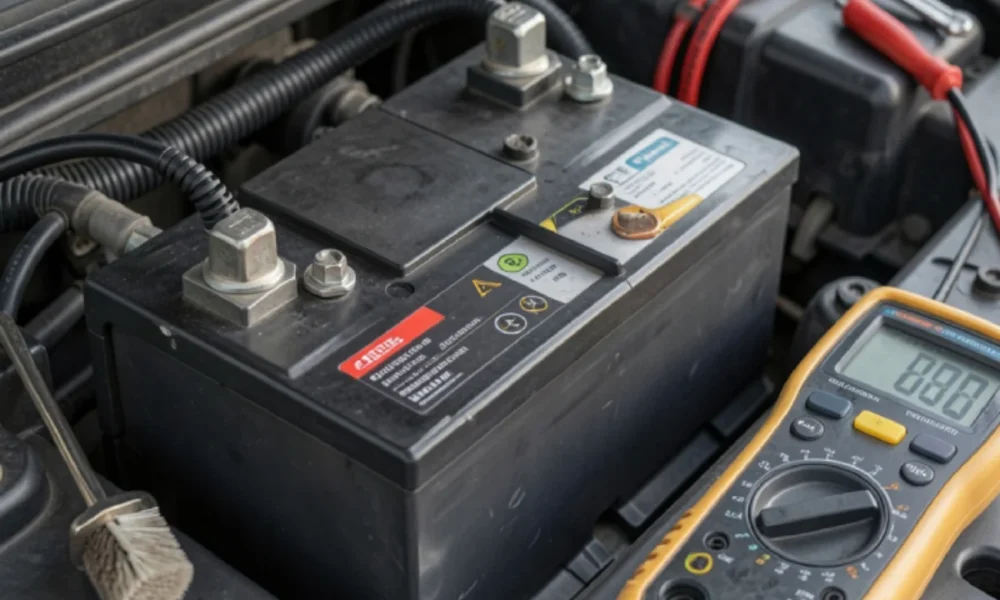
Best Battery Maintenance Tools If you have ever dealt with a dead battery at the worst possible moment, you already know one thing: battery maintenance is not optional. Whether it is your car, motorcycle, RV, boat, or backup power setup, a neglected battery can lose performance fast and cost you money long before it should.
Table Of Content
- Why Battery Maintenance Matters
- Best Battery Maintenance Tools
- 1. Smart Battery Charger
- 2. Battery Maintainer or Trickle Charger
- 3. Digital Multimeter
- 4. Battery Load Tester
- 5. Terminal Cleaning Brush
- 6. Battery Terminal Protector Spray
- 7. Hydrometer for Serviceable Batteries
- Quick Comparison Table: Battery Maintenance Tools
- Best Battery Maintenance Practices
- Keep the Battery Properly Charged
- Clean the Terminals Regularly
- Secure the Battery Properly
- Avoid Deep Discharges When Possible
- Check for Charging System Problems
- Protect the Battery from Extreme Temperatures
- Inspect Water Levels in Flooded Batteries
- Common Battery Maintenance Mistakes
- Using the Wrong Charger
- Ignoring Early Warning Signs
- Letting a Vehicle Sit Too Long
- Skipping Regular Inspections
- What Actually Makes the Biggest Difference?
- Final Thoughts
- FAQ
- What is the best tool to maintain a battery?
- How often should battery terminals be cleaned?
- Is a battery maintainer better than a trickle charger?
- Can a multimeter tell if a battery is bad?
- Do battery maintenance tools work for car and RV batteries?
- How do I make my battery last longer?
The good news is that you do not need a complicated setup to keep a battery healthy. A few smart tools and a few consistent habits can make a big difference. If you want better starts, longer battery life, and fewer surprise failures, these are the battery maintenance tools and practices worth paying attention to.
Why Battery Maintenance Matters
A battery slowly degrades over time, but bad habits can speed that up. Long periods without use, poor charging, dirty terminals, and extreme temperatures all put extra stress on it.
Proper battery maintenance helps you:
- Extend battery lifespan
- Improve charging performance
- Reduce corrosion
- Prevent no-start situations
- Save money on early replacements
Think of it this way: replacing a battery is easy, but keeping one healthy is cheaper.
Best Battery Maintenance Tools
Not every tool is essential, but a few are genuinely useful if you want to keep your battery in top shape.
1. Smart Battery Charger
A smart battery charger is one of the most valuable tools you can own. Unlike older chargers that keep pushing power, smart chargers automatically adjust charging levels and often switch to maintenance or float mode when the battery is full.
This helps prevent overcharging and keeps the battery ready without constant monitoring.
Best for:
- Seasonal vehicles
- Stored cars or motorcycles
- RV and marine batteries
- Batteries that sit unused for long periods
2. Battery Maintainer or Trickle Charger
A battery maintainer is ideal when a battery is going to sit for days or weeks. It delivers a controlled charge just enough to maintain voltage without stressing the battery.
A lot of people confuse trickle chargers and maintainers, but for long-term care, a true maintainer is the better choice because it is designed to preserve battery health rather than just feed power continuously.
3. Digital Multimeter
If you want to stop guessing, get a digital multimeter. It helps you check battery voltage and gives you a quick picture of whether the battery is holding a charge.
This is especially useful when:
- A vehicle is slow to start
- You suspect charging problems
- You want to test battery condition before replacing it
- You are troubleshooting after storage
For DIY maintenance, this is one of the simplest and smartest tools to keep around.
4. Battery Load Tester
A battery can show decent voltage and still fail under load. That is where a load tester helps. It checks how the battery performs when it is actually working, which is often more revealing than a basic voltage reading.
If you have multiple vehicles, manage equipment, or want a more accurate picture of battery health, this tool is a solid upgrade.
5. Terminal Cleaning Brush
Dirty terminals can create poor electrical contact, which leads to weak starts and inconsistent charging. A terminal cleaning brush makes it easy to remove buildup and corrosion from battery posts and connectors.
It is inexpensive, takes almost no space, and solves one of the most common battery issues.
6. Battery Terminal Protector Spray
After cleaning the terminals, applying a protector spray can help reduce future corrosion. This is especially helpful in humid environments or setups exposed to the elements.
It is a small step, but it can save you from dealing with stubborn terminal buildup later.
7. Hydrometer for Serviceable Batteries
If you are maintaining serviceable lead-acid batteries, a hydrometer can help measure the specific gravity of the electrolyte. This gives deeper insight into charge condition and cell health.
This is more relevant for traditional flooded batteries than sealed batteries, but for the right setup, it is still useful.
Quick Comparison Table: Battery Maintenance Tools
| Tool | Main Purpose | Best For |
|---|---|---|
| Smart battery charger | Safe charging and battery recovery | Regular use and storage |
| Battery maintainer | Keeps charge stable over time | Seasonal or infrequent-use vehicles |
| Digital multimeter | Measures voltage | Quick DIY checks |
| Battery load tester | Tests real performance under demand | Diagnosing weak batteries |
| Terminal cleaning brush | Removes corrosion | Routine battery care |
| Terminal protector spray | Helps prevent corrosion | Long-term maintenance |
| Hydrometer | Checks electrolyte condition | Flooded lead-acid batteries |
Best Battery Maintenance Practices
Tools help, but daily and seasonal habits are what really protect battery life.
Keep the Battery Properly Charged
A battery that stays undercharged for long periods can lose capacity over time. This is common in vehicles that are rarely driven or only used for short trips.
If your battery sits often, connect it to a maintainer instead of waiting for it to go weak.
Clean the Terminals Regularly
Corrosion creates resistance, and resistance hurts performance. Even a healthy battery can act weak if the terminals are dirty.
Make terminal inspection part of routine maintenance. If you see white, blue, or green buildup, clean it before it gets worse.
Secure the Battery Properly
A loose battery can vibrate excessively, and vibration is not good for internal battery components. Always make sure the hold-down hardware is secure and the battery is not shifting around.
This matters more than many people realize, especially in off-road, marine, or rough-road use.
Avoid Deep Discharges When Possible
Letting a battery drain too far can shorten its life, especially if it happens repeatedly. Lights left on, accessories running with the engine off, or long idle periods without charging all add up.
If deep discharge happens often, it may be time to rethink usage habits or charging support.
Check for Charging System Problems
Sometimes the battery is not the real issue. If your alternator or charging system is not working correctly, even a new battery can struggle.
Warning signs include:
- Repeated dead battery problems
- Dim lights
- Slow cranking
- Battery warning light
- Battery not staying charged after driving
If you notice these signs, test the charging system before blaming the battery alone.
Protect the Battery from Extreme Temperatures
Heat and cold both affect battery performance. Extreme heat can accelerate wear, while freezing temperatures reduce available power.
If possible:
- Park in a garage or shaded area
- Use insulation designed for battery protection if suitable
- Keep stored batteries in a stable environment
- Avoid leaving unused batteries exposed for long periods
Inspect Water Levels in Flooded Batteries
If you have a flooded lead-acid battery, check electrolyte levels periodically and maintain them correctly. Low fluid levels can damage the battery and reduce performance.
Only do this for batteries designed to be serviced.
Common Battery Maintenance Mistakes
A lot of battery problems come from simple mistakes that are easy to avoid.
Using the Wrong Charger
Not all chargers are suitable for all battery types. Using the wrong charger settings can damage the battery or reduce lifespan.
Always match the charger to the battery type and intended use.
Ignoring Early Warning Signs
Slow starts, flickering electronics, or inconsistent performance are often early clues. Waiting until the battery is fully dead usually means you missed the easiest window for maintenance or diagnosis.
Letting a Vehicle Sit Too Long
A battery naturally loses charge over time. If a vehicle sits for weeks without a maintainer, battery health can drop faster than expected.
Skipping Regular Inspections
Many people only check the battery after there is a problem. A quick visual inspection takes minutes and can catch corrosion, loose cables, swelling, or leaks early.
What Actually Makes the Biggest Difference?
If you only do three things, make them these:
- Use a smart charger or battery maintainer for batteries that sit.
- Keep terminals clean and connections tight.
- Test battery health before it fails completely.
That simple routine covers most of the issues that shorten battery life.
Final Thoughts
The best battery maintenance tools are not necessarily the most expensive ones. In real life, the biggest wins usually come from a smart charger, a multimeter, and the habit of checking your battery before problems show up.
A little maintenance goes a long way. Clean connections, proper charging, and regular checks can help your battery stay reliable longer and save you from the frustration of dealing with an unexpected failure.
If you want your battery to last, consistency beats neglect every time.
FAQ
What is the best tool to maintain a battery?
A smart battery charger or battery maintainer is usually the most useful tool for ongoing battery care, especially for vehicles or equipment that are not used daily.
How often should battery terminals be cleaned?
Check them during routine maintenance and clean them whenever you notice corrosion, dirt, or poor connection.
Is a battery maintainer better than a trickle charger?
For long-term battery care, a battery maintainer is usually the better option because it manages charge more safely and helps avoid overcharging.
Can a multimeter tell if a battery is bad?
A multimeter can show battery voltage, which is helpful, but it does not always reveal how the battery performs under load. For a more complete test, a load tester is better.
Do battery maintenance tools work for car and RV batteries?
Yes, many battery maintenance tools work for both, but you should always make sure the charger or tester matches the battery type and size.
How do I make my battery last longer?
Keep it charged, avoid deep discharges, clean the terminals, secure it properly, and inspect it regularly for signs of wear or corrosion.