

Car Maintenance Checklist for Beginners: Simple Steps to Keep Your Car Running Smoothly
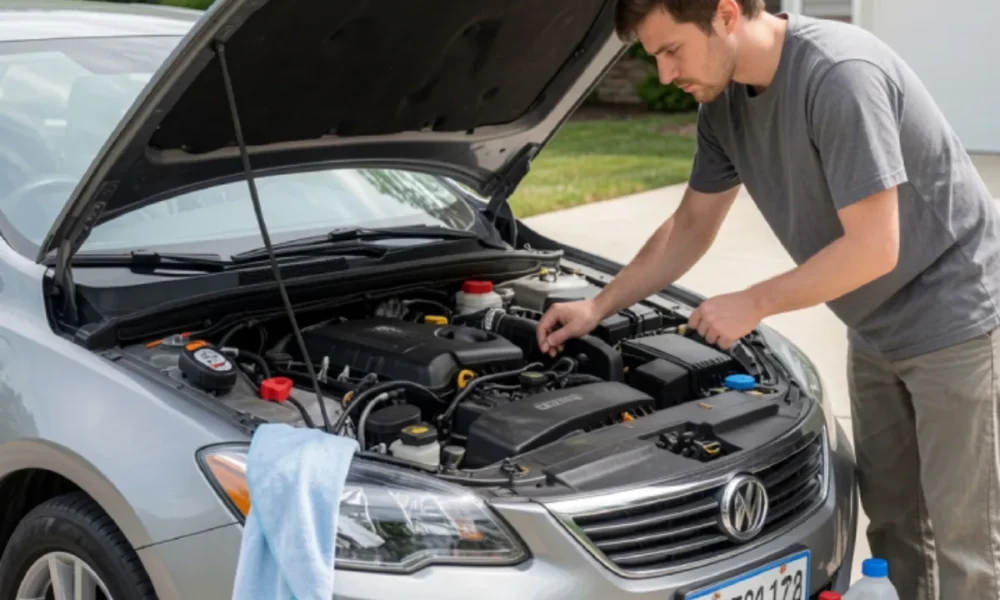
Car Maintenance Checklist for Beginners! If owning a car feels a little overwhelming, you are not alone. A lot of beginners think car maintenance has to be complicated, expensive, or super technical. It does not.
Table Of Content
- Why a Basic Car Maintenance Routine Matters
- The Beginner Car Maintenance Checklist at a Glance
- Weekly Car Maintenance Checks
- 1. Check Tire Pressure
- 2. Look at Your Tire Tread
- 3. Test Your Lights
- 4. Check the Windshield and Wipers
- 5. Pay Attention to Dashboard Warning Lights
- Monthly Car Maintenance Checks
- 6. Check Engine Oil Level
- 7. Check Coolant Level
- 8. Refill Washer Fluid
- 9. Inspect the Battery
- 10. Check for Leaks Under the Car
- Every 3 to 6 Months: Important Maintenance Tasks
- 11. Replace Wiper Blades if Needed
- 12. Check Air Filters
- 13. Pay Attention to Brake Feel
- 14. Inspect Tire Wear Patterns
- Every 6 to 12 Months: Big-Picture Maintenance
- 15. Rotate the Tires
- 16. Get Alignment Checked if the Car Pulls
- 17. Schedule a General Inspection
- Seasonal Car Maintenance Tips for 2026
- Before Summer
- Before Winter
- Keep a Basic Emergency Kit
- Beginner Mistakes to Avoid
- How to Keep Track of Car Maintenance
- Final Thoughts
- FAQ
- What is the most important car maintenance for beginners?
- How often should beginners check their car?
- Can I do car maintenance myself as a beginner?
- What happens if I skip regular car maintenance?
- Is a car maintenance checklist really necessary?
The truth is simple: a basic routine can help your car last longer, drive better, and save you from bigger repair bills later. You do not need to become a mechanic. You just need to know what to check, when to check it, and which warning signs you should never ignore.
This beginner-friendly car maintenance checklist for 2026 keeps things practical, easy to follow, and realistic for everyday drivers.
Why a Basic Car Maintenance Routine Matters
A car that gets regular attention usually gives you fewer surprises. Small habits like checking tire pressure, topping up fluids, and replacing worn wiper blades can make a big difference over time.
A simple checklist helps you:
- Catch small problems before they turn expensive
- Improve fuel efficiency
- Drive more safely in different weather
- Keep your car cleaner inside and out
- Feel more confident as a car owner
If you are just starting out, think of maintenance as protecting your time, money, and peace of mind.
The Beginner Car Maintenance Checklist at a Glance
Here is the simple version first:
| Timeframe | What to Check |
|---|---|
| Weekly | Tires, lights, windshield, dashboard warnings |
| Monthly | Engine oil, coolant, washer fluid, battery condition |
| Every 3 to 6 Months | Wipers, air filters, brake feel, tire wear |
| Every 6 to 12 Months | Tire rotation, alignment check, full inspection |
| Seasonally | AC, heater, defroster, emergency kit, battery performance |
Now let’s break each one down.
Weekly Car Maintenance Checks
These are the fast checks that take only a few minutes.
1. Check Tire Pressure
Your tires affect safety, comfort, and fuel economy. If they are too low or too high, your car may not handle properly.
What to do:
- Check pressure when tires are cold
- Use the recommended pressure listed on the driver-side door sticker
- Look for obvious damage, cracks, or nails
2. Look at Your Tire Tread
Worn tires can make braking and turning harder, especially in rain.
Watch for:
- Uneven wear
- Bald spots
- Cracks on the sidewall
If one tire looks more worn than the others, it could point to alignment or inflation issues.
3. Test Your Lights
Do a quick walkaround and make sure these work:
- Headlights
- Brake lights
- Turn signals
- Reverse lights
- Hazard lights
A burned-out bulb is easy to ignore until it becomes a safety issue.
4. Check the Windshield and Wipers
A dirty windshield or streaky wipers can make driving stressful fast.
Make sure:
- The windshield is clear
- Wipers do not squeak or smear badly
- Washer fluid is not empty
5. Pay Attention to Dashboard Warning Lights
Modern cars give you warnings for a reason. Do not build a habit of ignoring them.
If a new warning light appears, check your owner’s manual and deal with it early.
Monthly Car Maintenance Checks
These checks go a little deeper but are still beginner-friendly.
6. Check Engine Oil Level
Engine oil helps keep the engine lubricated and protected. Low or dirty oil can lead to serious problems.
Basic steps:
- Park on level ground
- Let the engine cool
- Pull out the dipstick, wipe it, reinsert it, then check the level
- Add the correct oil if needed
If the oil looks very dark, gritty, or unusually low, it may be time for an oil change or inspection.
7. Check Coolant Level
Coolant helps regulate engine temperature. Too little can lead to overheating.
Only check coolant when the engine is cool. Look at the reservoir and make sure the level sits between the marked lines.
8. Refill Washer Fluid
This one is easy to forget, but you will definitely notice when it runs out.
Keep it topped up so bugs, dust, and road grime do not ruin visibility.
9. Inspect the Battery
A weak battery can leave you stranded without much warning.
Look for:
- Corrosion around the terminals
- Loose connections
- Slow engine starts
If your car struggles to start, do not wait too long to get the battery tested.
10. Check for Leaks Under the Car
If you see fresh spots where you park, pay attention.
Possible signs include:
- Dark brown or black fluid
- Bright green, orange, or pink fluid
- Clear water from AC use, which is often normal
The key is noticing anything new or excessive.
Every 3 to 6 Months: Important Maintenance Tasks
These tasks do not need weekly attention, but they matter.
11. Replace Wiper Blades if Needed
If your wipers chatter, skip, or leave streaks, replace them. Good visibility is not optional.
12. Check Air Filters
Your car may have:
- An engine air filter
- A cabin air filter
A dirty engine air filter can affect performance. A dirty cabin air filter can make the inside of the car feel dusty and stuffy.
13. Pay Attention to Brake Feel
You do not need to inspect brake hardware yourself to notice warning signs.
Watch for:
- Squeaking or grinding
- A soft brake pedal
- Vibration when braking
- Longer stopping distance
If braking feels different, get it checked soon.
14. Inspect Tire Wear Patterns
Uneven tire wear can tell you a lot.
It may point to:
- Poor alignment
- Improper inflation
- Suspension issues
This is one of those small clues that can prevent bigger costs later.
Every 6 to 12 Months: Big-Picture Maintenance
These are the tasks that help your whole car stay balanced and road-ready.
15. Rotate the Tires
Tire rotation helps tires wear more evenly. That means better performance and longer tire life.
16. Get Alignment Checked if the Car Pulls
If your steering wheel feels off-center or the car drifts to one side, alignment may be the issue.
17. Schedule a General Inspection
A yearly inspection is a smart move for beginners. A trusted shop can check parts you may not be comfortable inspecting on your own.
This can include:
- Brakes
- Belts
- Hoses
- Suspension
- Battery
- Fluids
- Tires
Seasonal Car Maintenance Tips for 2026
Weather changes can be rough on cars, so seasonal prep is worth doing.
Before Summer
Focus on:
- AC performance
- Coolant level
- Tire pressure
- Battery strength
Before Winter
Focus on:
- Heater and defroster
- Battery condition
- Tire tread
- Wiper blades
- Emergency supplies
Keep a Basic Emergency Kit
A beginner-friendly emergency kit should include:
- Jumper cables or a jump starter
- Flashlight
- Phone charger
- Tire pressure gauge
- First aid kit
- Water
- Gloves
You do not need a huge setup. Just cover the basics.
Beginner Mistakes to Avoid
A lot of car problems start with simple neglect. Try to avoid these common mistakes:
- Ignoring warning lights
- Waiting too long to change oil
- Driving on underinflated tires
- Forgetting to check fluid levels
- Skipping tire rotation
- Putting off brake issues
- Assuming every strange sound will go away on its own
If something feels off, trust that instinct and check it early.
How to Keep Track of Car Maintenance
The easiest way to stay consistent is to make maintenance visible.
Try one of these:
- Keep a note on your phone
- Use a simple mileage log
- Save service receipts in one folder
- Set calendar reminders for monthly checks
You do not need a perfect system. You just need one you will actually use.
Final Thoughts
Car care gets much easier once you stop trying to remember everything at once. A simple car maintenance checklist for beginners gives you a routine you can follow without stress.
Start small. Check your tires, fluids, lights, and wipers regularly. Learn your car little by little. Over time, these basic habits can help you avoid breakdowns, lower repair costs, and feel a lot more confident behind the wheel.
You do not need to know everything today. You just need to start paying attention.
FAQ
What is the most important car maintenance for beginners?
The most important basics are checking engine oil, tire pressure, lights, coolant, and brakes. These have a direct impact on safety, reliability, and daily performance.
How often should beginners check their car?
A quick check once a week is a smart habit. A more detailed check once a month helps you catch common issues early.
Can I do car maintenance myself as a beginner?
Yes, many basic tasks are beginner-friendly, including checking fluids, inspecting tires, replacing wiper blades, and watching for warning signs. More technical work is usually better handled by a mechanic.
What happens if I skip regular car maintenance?
Skipping maintenance can lead to poor performance, lower fuel efficiency, faster wear, and expensive repairs that could have been avoided.
Is a car maintenance checklist really necessary?
Yes. A checklist makes it easier to stay consistent, especially if you are new to car ownership and do not want to rely on memory alone.