

Clear Aligners: A Complete Guide to Invisible Teeth Straightening
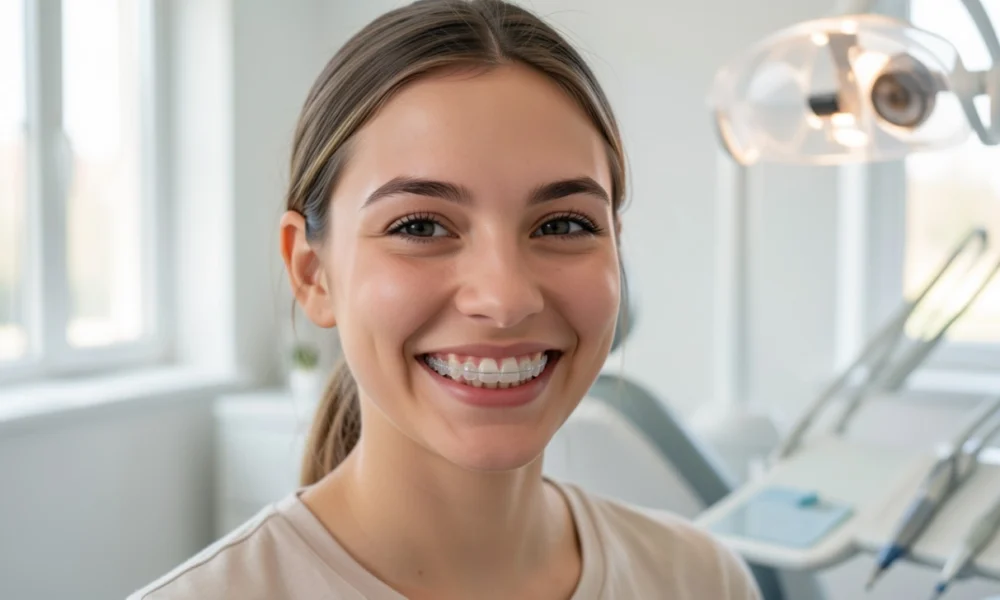
Many adults and teens with crooked or gapped teeth seek orthodontic treatment but hesitate to commit to traditional metal braces. The visible appearance of brackets and wires, dietary restrictions, and oral hygiene challenges often create barriers to treatment.
Table Of Content
- What Are Clear Aligners?
- Key Features of Clear Aligners
- Design and Appearance
- Comfort Factors
- Daily Use Characteristics
- Durability
- How Clear Aligners Work
- Initial Consultation and Examination
- Digital Records and Treatment Planning
- Aligner Fabrication
- Daily Wear Protocol
- Progress Monitoring
- Retention Phase
- Factors Affecting Clear Aligner Costs
- Case Complexity
- Geographic Location
- Provider Qualifications
- Brand Selection
- Additional Dental Procedures
- Insurance Coverage
- Comparison With Traditional Braces
- Treatment Duration
- Oral Hygiene
- Dietary Restrictions
- Visibility
- Conclusion
Clear aligners provide an alternative approach to teeth straightening. These transparent plastic trays fit over the teeth and gradually shift them into better positions without the aesthetic concerns associated with conventional braces. This guide explains what clear aligners are, how they work, what features to expect, and the factors affecting treatment costs.
What Are Clear Aligners?
Clear aligners are orthodontic devices made from transparent thermoplastic materials. They are custom-fabricated to fit snugly over a patient’s teeth and apply controlled pressure to move teeth into improved positions over time.
The materials used in clear aligners are typically medical-grade polyurethane or similar copolymers. These materials are:
- Free from BPA, phthalates, and latex
- Tested for biocompatibility
- Resistant to staining under normal use
- Approved by regulatory bodies such as the FDA for intraoral use
Unlike traditional braces that use brackets bonded to teeth and wires adjusted periodically, clear aligners are replaced every one to two weeks with a new set that continues the tooth movement process.
Clear aligners are also referred to as invisible aligners or transparent aligners because they are difficult to notice when worn. This makes them a common choice for individuals who want to straighten their teeth discreetly.
Key Features of Clear Aligners
Clear aligners share several design and functional characteristics across different brands and manufacturers.
Design and Appearance
- Transparent material: The aligners are optically clear, allowing the natural color of teeth to show through
- Smooth edges: Each aligner is trimmed to follow gum contours without protruding edges
- Minimal bulk: The material thickness is sufficient to apply force without excessive thickness
Comfort Factors
- No metal components: Patients avoid the irritation that metal brackets and wires can cause to cheeks and gums
- Uniform pressure: Force is distributed across multiple teeth rather than concentrated at bracket points
- Smooth surfaces: The absence of sharp edges reduces soft tissue irritation during initial wear
Daily Use Characteristics
- Removability: Aligners can be taken out for meals and oral hygiene
- Portability: The aligners are lightweight and come with storage cases
- Maintenance requirements: Standard cleaning involves brushing with water and occasional soaking in cleaning solutions
Durability
- Crack resistance: The material withstands normal chewing forces
- Stain resistance: Aligners resist discoloration from food and beverages during the recommended wear period
- Structural integrity: The trays maintain their shape throughout each two-week wear cycle
How Clear Aligners Work
Clear aligner treatment follows a structured process involving dental professionals, digital technology, and patient compliance.
Initial Consultation and Examination
A dentist or orthodontist performs a clinical examination to determine whether clear aligners are appropriate for a patient’s specific condition. The examination typically includes:
- Visual assessment of tooth alignment and bite relationships
- Evaluation of gum health and existing dental work
- Discussion of patient goals and expectations
- Identification of contraindications, such as severe rotations or complex bite issues
Digital Records and Treatment Planning
If the patient is a suitable candidate, the provider captures detailed records:
- Digital intraoral scans create a three-dimensional model of the teeth
- Photographs document the current smile from multiple angles
- X-rays reveal tooth root positions and underlying bone structure
Using specialized software, the provider maps out the proposed tooth movements. This digital setup shows:
- The predicted final tooth positions
- The intermediate stages required to reach the result
- The approximate number of aligners needed
Aligner Fabrication
The digital treatment plan is sent to a production facility where aligners are manufactured. The process involves:
- Creating a series of physical models representing each stage of tooth movement
- Heating and forming thermoplastic sheets over each model
- Trimming and polishing each aligner to precise specifications
- Quality checking each set before packaging
Daily Wear Protocol
Patients receive multiple sets of aligners at each appointment and are instructed to:
- Wear aligners for 20 to 22 hours per day
- Remove them only for eating, drinking anything other than water, and oral hygiene
- Switch to the next set of aligners according to the prescribed schedule
- Store aligners in their case when not in the mouth
Progress Monitoring
Follow-up appointments occur approximately every 4 to 8 weeks. During these visits, the provider:
- Checks that tooth movement is progressing as planned
- Provides the next series of aligners
- Assesses aligner fit and makes adjustments if necessary
- Addresses any questions or concerns
Retention Phase
After the active aligner treatment completes, teeth require stabilization to prevent relapse. The provider will:
- Take new impressions or scans for retainer fabrication
- Provide removable or fixed retainers based on the case
- Instruct on a wearing schedule, typically full-time initially, then nighttime wear
- Schedule periodic follow-up visits to monitor stability
Factors Affecting Clear Aligner Costs
Clear aligner treatment costs vary considerably based on multiple factors. Understanding these variables helps patients evaluate treatment options realistically.
Case Complexity
The severity of misalignment directly influences treatment duration and aligner quantity:
- Mild crowding or spacing may require 10 to 20 aligners
- Moderate cases often need 20 to 35 aligners
- Complex cases can require 35 or more aligners plus refinements
Geographic Location
Treatment costs reflect regional economic factors:
- Urban centers typically have higher fees than rural areas
- Regional cost of living affects dental practice overhead
- Local market competition can influence pricing
Provider Qualifications
The treating professional’s training and experience affect fees:
- Orthodontists complete additional years of specialty training
- General dentists may offer limited aligner treatment
- Complex cases generally require orthodontic specialization
Brand Selection
Different clear aligner systems have varying price structures:
- Established brands with extensive research backing often cost more
- Newer market entrants may offer lower initial pricing
- Direct-to-consumer models differ from provider-directed treatment
Additional Dental Procedures
Pre-existing dental conditions require treatment before aligner therapy:
- Cavities need restoration before tooth movement
- Gum disease must be treated andstabilizede
- Missing teeth may require replacement planning
Insurance Coverage
Dental insurance benefits vary by plan:
- Some plans cover part of orthodontic treatment
- Annual maximums limit total coverage amounts
- Lifetime orthodontic benefits may apply
Comparison With Traditional Braces
Patients choosing between treatment options should understand the key differences.
Treatment Duration
- Clear aligners typically require 6 to 18 months for mild to moderate cases
- Traditional braces average 18 to 24 months for comparable corrections
- Complex movements may progress faster with braces
Oral Hygiene
- Aligners allow normal brushing and flossing when removed
- Braces require specialized cleaning techniques and tools
- Poor hygiene during treatment risks permanent enamel damage
Dietary Restrictions
- Aligner patients eat normally after removing trays
- Brace patients avoid sticky, hard, or chewy foods
- Broken brackets extend treatment time and require emergency visits
Visibility
- Aligners are transparent and minimally noticeable
- Braces are visible, metal or ceramic brackets and wires
- Lingual braces placed behind teeth offera hidden alternative
Conclusion
Clear aligners represent a significant advancement in orthodontic technology, offering patients a discreet and comfortable option for improving their smiles. They are particularly suitable for individuals with mild to moderate crowding or spacing who are motivated to wear their aligners as prescribed.
The success of clear aligner treatment depends on:
- Proper patient selection by qualified dental professionals
- Accurate diagnosis and treatment planning
- Consistent patient compliance with wear instructions
- Regular monitoring throughout treatment
- Appropriate retention after active treatment
While clear aligners are not appropriate for every orthodontic case, they provide an effective solution for many patients who might otherwise decline treatment due to the appearance of metal braces. Consulting with a dentist or orthodontist is the essential first step in determining whether clear aligners can address your specific orthodontic needs and help you achieve your smile goals.