

Natural Supplements for Acid Reflux: What Works for Heartburn Relief
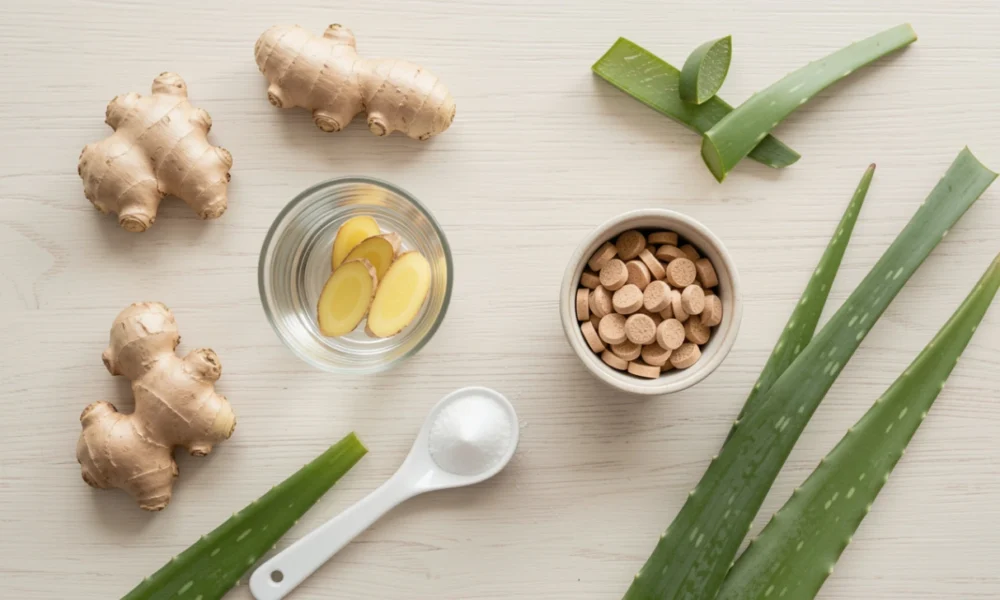
If you have ever felt the burning discomfort of heartburn spreading across your chest after a meal, you know how disruptive acid reflux can be. Acid reflux occurs when stomach acid flows back into the esophagus, causing symptoms like heartburn, regurgitation, and a sour taste in the mouth. When this happens frequently, it may indicate gastroesophageal reflux disease (GERD).
Table Of Content
- Understanding Acid Reflux and Its Common Triggers
- Natural Supplements for Acid Reflux: What the Research Says
- Ginger: Digestive Aid and Symptom Reducer
- Licorice: Soothing the Gastrointestinal Lining
- Emerging Evidence: Fermented Soy for GERD
- Other Herbal and Botanical Options
- Instant Heartburn Relief: Fast-Acting Natural Options
- Baking Soda
- Aloe Vera Juice
- Cold Milk
- A Comprehensive Approach to Managing GERD
- Key Supplements for Long-Term Management
- Lifestyle Adjustments for Lasting Relief
- IImportantConsiderations Before Starting Supplements
- Conclusion
Many people initially turn to over-the-counter or prescription medications for relief. However, concerns about long-term use of some conventional drugs have led to growing interest in natural alternatives. Natural supplements for acid reflux offer a gentler approach for some individuals and may help address underlying factors contributing to digestive discomfort. This article examines several natural remedies, what current research indicates about their effectiveness, and how they can be integrated into a broader management strategy.
Understanding Acid Reflux and Its Common Triggers
Acid reflux involves the backflow of stomach acids into the esophagus, which can lead to discomfort and, over time, potential damage to the esophageal lining. Several lifestyle and dietary factors can contribute to or worsen reflux symptoms. Identifying these triggers is often the first step in managing the condition effectively.
Common triggers for acid reflux include:
- Dietary choices: Certain foods and beverages are frequently cited as triggers. According to the Mayo Clinic, items like chocolate, citrus, fatty or fried foods, spicy dishes, tomato-based products, and caffeinated or alcoholic drinks can relax the lower esophageal sphincter or irritate the esophagus, making symptoms worse.
- Eating patterns: Consuming large meals can increase pressure on the stomach, while lying down too soon after eating makes it easier for acid to flow back into the esophagus. Waiting at least two to three hours before lying down is generally recommended
- Weight and pressure: Excess weight, particularly around the abdomen, can put pressure on the stomach. Tight-fitting clothing can have a similar effect .
- Lifestyle habits: Smoking and alcohol consumption can both weaken the lower esophageal sphincter, the muscle that acts as a valve to keep stomach contents in place.
By understanding these triggers, individuals can begin to make targeted changes that may help alleviate symptoms before or alongside introducing supplements.
Natural Supplements for Acid Reflux: What the Research Says
For those seeking alternatives or complements to conventional medication, several natural supplements have shown promise in clinical and preclinical research. This section reviews the evidence for commonly used options.
Ginger: Digestive Aid and Symptom Reducer
Ginger has a long history of use in traditional medicine for digestive complaints. Modern research supports its role in promoting gastric health. A 2025 randomized, double-blind, placebo-controlled clinical trial investigated the effects of a steamed ginger extract (GGE03) on individuals with mild to moderate functional dyspepsia, a condition that includes symptoms like indigestion and reflux. The study found that the group taking ginger extract showed significantly improved scores for indigestion and reflux compared to the placebo group after 12 weeks, with no clinically meaningful safety concerns
Ginger is thought to work by stimulating saliva flow, bile production, and gastric juice production, which can help jumpstart the breakdown of food. It may also speed up the movement of food from the stomach into the small intestine, potentially reducing the risk of heartburn. Ginger tea is a common and simple way to incorporate it into a daily routine.
Licorice: Soothing the Gastrointestinal Lining
Licorice root, particularly in its deglycyrrhizinated form (DGL), is another popular natural supplement for acid reflux. Regular licorice contains a compound called glycyrrhizin, which can cause side effects like high blood pressure or low potassium levels with prolonged use. DGL has this compound removed, making it safer for regular consumption.
Preclinical research continues to explore licorice’s potential. A 2026 study evaluating plant-based antacid formulations found that combinations containing Glycyrrhiza glabra L. (licorice) increased gastric emptying and decreased gastroesophageal damage in animal models. The researchers noted that licorice appears to work by exerting cytoprotective and anti-ulcerative effects, potentially by promoting gastric mucus secretion and having anti-inflammatory properties. This suggests licorice may help protect and soothe the lining of the digestive tract.
Emerging Evidence: Fermented Soy for GERD
Recent clinical research has highlighted a novel candidate for GERD management. A 2026 independent clinical trial conducted in Malaysia examined the effects of a fermented soybean supplement on individuals with GERD symptoms. The 12-week study involving 110 participants reported significant improvements:
- 47.6% reduction in heartburn
- 40.9% reduction in indigestion (dyspepsia)
- 62.9% reduction in regurgitation symptoms
- 13.3% improvement in quality of life related to reflux and dyspepsia
- Significant reductions (19.8% to 43.5%) in various inflammation markers
Researchers attributed these benefits to the anti-inflammatory properties of fermented soy, which may help reduce overall inflammation in the body, including in the digestive tract. While more research is needed to confirm these findings across different populations, this study provides compelling early evidence for fermented soy as a potential tool in managing GERD.
Other Herbal and Botanical Options
Several other herbs and plants are commonly used for digestive health and may offer benefits for acid reflux symptoms.
- Aloe Vera: Known for its skin-soothing properties, aloe vera juice is also used internally to calm the stomach lining. It has anti-inflammatory properties that may help soothe the esophagus from irritation caused by acid reflux .
- Rshmallow Root and Slippery Elm: Both contain mucilage, a gel-like substance that can coat and soothe mucous membranes. This protective layer may provide a barrier against stomach acid, offering relief from irritation .
- Peppermint: While peppermint is known to help with some digestive issues by reducing gut spasms, its role in acid reflux is complex. For some, it may relax the lower esophageal sphincter and worsen symptoms. However, some traditional formulations combine it with other herbs.
- Fennel: Chewing fennel seeds or drinking fennel tea is a traditional remedy for digestive discomfort, including gas and bloating, which can accompany reflux
Instant Heartburn Relief: Fast-Acting Natural Options
For sudden, occasional heartburn, some fast-acting natural remedies may provide quick symptom relief.
Baking Soda
Baking soda (sodium bicarbonate) is a natural antacid. Dissolving about half a teaspoon in a glass of water and drinking it slowly can help neutralize stomach acid and provide rapid relief. However, this should be used only occasionally. Baking soda is high in sodium and can cause side effects like nausea or gas if overused. It is not suitable for individuals on a low-sodium diet.
Aloe Vera Juice
For a soothing effect, drinking a small amount (e.g., half a cup) of aloe vera juice can help calm an irritated esophagus and stomach lining . Itis important to use juice formulated for internal consumption without added sugars or additives.
Cold Milk
A glass of cold milk can provide quick, temporary relief. The calcium in milk can help neutralize acid, and the cool liquid can be soothing.
These methods are best suited for mild, infrequent heartburn. They address the symptom temporarily but do not treat the underlying causes of frequent reflux.
A Comprehensive Approach to Managing GERD
For those with chronic GERD or frequent acid reflux, a combination of targeted supplements and sustained lifestyle modifications offers the most effective long-term strategy.
Key Supplements for Long-Term Management
- Marshmallow Root: Often taken as a tea or in capsule form, it can be used regularly to help maintain a protective coating in the digestive tract.
- Slippery Elm: Similar to marshmallow root, slippery elm is valued for its soothing and protective effects on mucous membranes.
- DGL Licorice: Chewable DGL tablets taken before meals are a common way to use licorice for its protective benefits without the risk of glycyrrhizin side effects.
- Ginger: Consuming ginger regularly, whether as tea, in cooking, or in capsule form, may help maintain healthy digestive function
Lifestyle Adjustments for Lasting Relief
Lifestyle changes are foundational to managing GERD and can significantly enhance the effectiveness of supplements.
- Dietary modification: Beyond avoiding trigger foods, adopting a diet rich in fiber and plant-based foods can support a healthy gut microbiome, which plays a role in overall digestive health. Eating smaller, more frequent meals instead of large ones can also prevent the stomach from becoming overfull.
- Weight management: Maintaining a healthy weight reduces abdominal pressure, one of the key mechanical factors in reflux
- Sleep hygiene: Elevating the head of the bed by six to eight inches using blocks or a wedge pillow can help prevent nighttime reflux. Avoiding food for at least two to three hours before bedtime is also critical .
- Stress reduction: Stress and anxiety can exacerbate GERD symptoms. Techniques like meditation, controlled breathing, and yoga can help manage stress effectively. A 2026 case study highlighted the potential of an integrated approach combining yoga, pranayama (breathing exercises), and dietary regulation in rapidly improving chronic GERD symptoms .
IImportantConsiderations Before Starting Supplements
Before adding any new supplement to your routine, it is essential to consider safety and appropriateness.
- Consult a healthcare professional: Always speak with a doctor or qualified healthcare provider before starting new supplements, especially if you are pregnant, nursing, or have a pre-existing medical condition.
- Check for interactions: Natural supplements can interact with prescription medications. For example, some herbs may affect how the liver processes certain drugs. A healthcare provider can help assess potential risks.
- Choose high-quality products: Supplements are not regulated as strictly as medications. Look for products from reputable manufacturers that undergo third-party testing for purity and potency.
- Start slowly: Introduce one supplement at a time to see how your body responds and to better identify what provides benefit.
Conclusion
Acid reflux and GERD are common conditions that can significantly impact quality of life. While conventional medications offer effective relief, natural supplements for acid reflux s, such as ginger, DGL licorice, and emerging options like fermented soy, present promising alternatives or complements for many individuals. These natural approaches, combined with essential lifestyle modificationsdietary changes, weight management, and stress reductioncan form a comprehensive strategy for managing symptoms and promoting long-term digestive health. As with any health decision, consulting with a healthcare professional is a crucial first step to ensure a safe and effective approach tailored to your individual needs.