

How to Start and Run a Successful Adult Sports League: A Comprehensive Guide
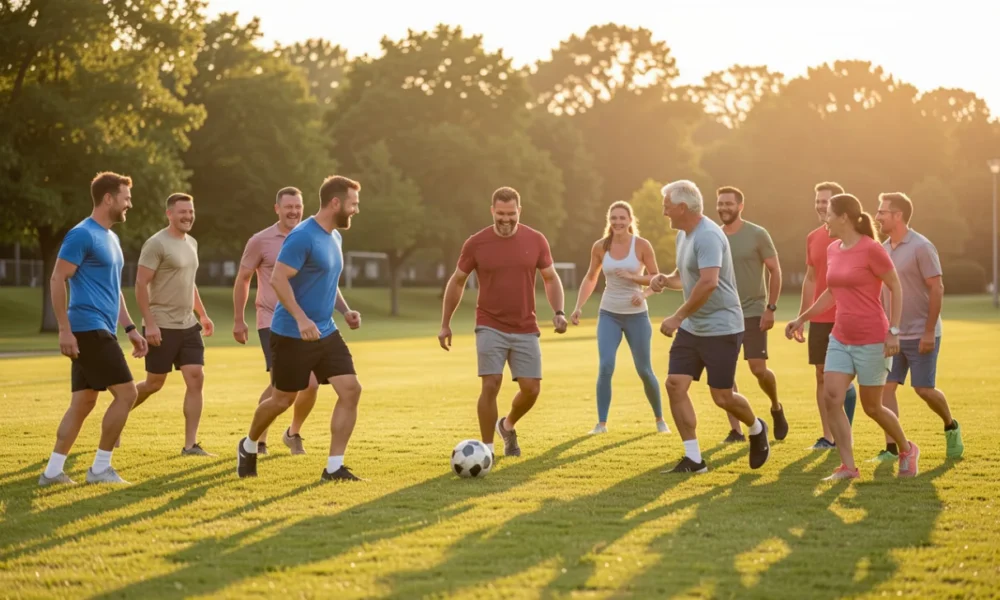
Participation in adult recreational sports leagues is experiencing significant growth across the U.S. As of 2025, 20% of adults participate in team sports, a sharp increase from 11% in 2020. This surge highlights a growing demand for structured yet social athletic opportunities. For organizers, this trend presents an opportunity to build more than just a schedule of games—it offers the chance to create a community. Running a successful adult sports league requires meticulous planning, effective communication, and a genuine commitment to fostering a fun, safe, and inclusive environment for all participants.
Table Of Content
- The Rise of Adult Recreational Sports
- Phase 1: Planning and Preparation
- 1. Define Your League’s Purpose, Structure, and Goals
- 2. Plan Your Budget and Secure Financing
- 3. Secure Facilities and Partnerships
- Phase 2: Registration and Team Management
- 1. Develop a Streamlined Registration Process
- 2. Choose the Right League Management Software
- Phase 3: Staffing and Game Day Operations
- 1. Recruit and Train the Right People
- 2. Establish Clear Rules, Guidelines, and Sportsmanship
- 3. Coordinate Game Day Logistics
- Phase 4: Communication and Marketing
- 1. Build a Centralized Communication Hub
- 2. Market to Attract and Retain Players
- 3. Create Feedback Loops
- Phase 5: Safety and Risk Management
- 1. Implement Comprehensive Safety Protocols
- 2. Establish a Concussion Protocol
- 3. Secure Proper Insurance and Address Compliance
- Phase 6: Financial Management and Growth
- 1. Maintain Transparent Financial Practices
- 2. Plan for Sustainable Growth
- onclusion
Recreational leagues for adults play a crucial role in promoting physical activity, fostering social connections, and providing a necessary outlet for stress relief. These leagues offer a structured environment where adults can engage in their favorite sports, meet new people, and enjoy a break from their daily routines. The benefits are manifold, ranging from improved physical health to enhanced mental well-being. This guide provides a comprehensive framework for organizing, launching, and sustaining a league that players will love and return to season after season.
The Rise of Adult Recreational Sports
The modern adult sports league is about more than just the game; it’s a vital hub for social connection and community building. Many participants join not only for fitness but also because they are new to an area and want to make friends or find a social circle outside of work. Leagues often report that players form lasting bonds, with some even meeting life partners through their teams. The most popular sports in 2024 were volleyball (30% of players), soccer (18%), and softball (15%), indicating a broad interest in team-based activities. Understanding this social dynamic is the first step in creating a league that meets the deeper needs of its players.
Phase 1: Planning and Preparation
1. Define Your League’s Purpose, Structure, and Goals
Before securing a field or setting a date, establish a clear vision for your league. This foundational step will guide every decision you make. Answering the following questions will help you define your identity:
- Sport and Format: Will it be soccer, basketball, kickball, or a multi-sport league? Will it be co-ed, men’s, or women’s? What will the team size be (e.g., 7v7 soccer, 6v6 volleyball)?
- Competitive Focus: What is the intensity level? Is it a purely social, “fun-first” league, or does it have a competitive division for skilled players? Some successful leagues explicitly focus on creating a comfortable, social atmosphere rather than a highly competitive one.
- Target Demographic: Is the league open to all adults, or will it have specific age brackets (e.g., over-30, over-40)? Will it cater to specific communities, such as LGBTQ+ players and allies ?
- Season Structure: How long will the season last? Will you run multiple short seasons per year, a single long season, or include tournaments?
2. Plan Your Budget and Secure Financing
A detailed budget is critical for financial sustainability. Consider all potential costs and revenue streams. Common expenses include:
- Facility Rentals: Fields, courts, or ice rinks.
- Officials’ Fees: Referees, umpires, and scorekeepers.
- Equipment: Game balls, cones, first aid kits, and maintenance supplies.
- Insurance: Liability and accident coverage.
- Marketing and Administration: Website costs, software subscriptions, and promotional materials.
To cover these costs, you will need to establish team fees. Research comparable leagues in your area to set a competitive price point. For example, a municipal hockey league might charge a significant team fee (e.g., over $7,000 per team, including a non-refundable deposit), while a recreational volleyball league might have a much lower per-team registration cost. Always plan for a contingency fund for unexpected expenses
3. Secure Facilities and Partnerships
Venues book up quickly, especially for prime evening and weekend slots. Visit potential sites in person to assess field conditions, parking availability, lighting for night games, and the quality of amenities like restrooms .Do not limit your search to traditional parks. Consider local schools, community centers, or even unconventional spaces like large private properties .
Forming partnerships can also be highly beneficial. Local businesses may be interested in sponsorship opportunities, and sporting goods stores might offer discounts for league participants . Collaborating with your local Parks and Recreation department can also provide access to underutilized public spaces.
Phase 2: Registration and Team Management
1. Develop a Streamlined Registration Process
A smooth, user-friendly registration system is essential for attracting and retaining players. An online platform simplifies the process, allowing participants to register, sign waivers, and pay fees from any device. Key elements of a good registration system include:
- Digital Waivers: Collecting signed liability waivers and rosters online before the first game eliminates paperwork and ensures compliance
- Secure Payment Processing: Accept digital payments to reduce administrative work and missed payments.
- Team Management: The system should allow for auto-assigning individual players to teams or facilitating full-team registrations.
For team registrations, it is common practice for a team captain to handle the process, including payment and roster submission. Rosters typically have a maximum number of players, and any additions must be completed by a specified deadline .
2. Choose the Right League Management Software
Trying to manage schedules, payments, and communication with multiple tools is a recipe for errors and burnout. Investing in league management software designed for adult sports can centralize these tasks. Look for a platform that offers integrated features such as:
- Online registration and payments
- Schedule and standings management
- Live game scoring
- Team and league-wide communication tools (chat, alerts)
- Official and volunteer management
Using a dedicated platform saves time, reduces administrative errors, and enhances the overall experience for both organizers and players
Phase 3: Staffing and Game Day Operations
1. Recruit and Train the Right People
Your part-time staff—referees, site monitors, and scorekeepers—are the face of your league. They interact with players every week and have an outsized impact on the overall experience. A common mistake is hiring officials who are overly focused on rules at the expense of social interaction .
Consider a hiring process that prioritizes soft skills. One successful league, KC Crew, uses a multi-step interview process to find “fun uncles” who are social, engaging, and active. They train these hires on the necessary rules. This approach has led to players requesting specific officials and wanting to play in their leagues. For more competitive sports like basketball, hiring certified referees is still recommended, but the principle of finding personable staff remains key.y
2. Establish Clear Rules, Guidelines, and Sportsmanship
Ambiguity in rules leads to disputes and player dissatisfaction. Before the season begins, develop a comprehensive rulebook covering gameplay, conduct, and dispute resolution. This should be communicated clearly to all team captains and players.
Promote a culture of respect and fair play. Emphasize that the league is a space for fun and positive interaction. Depending on the league’s competitive level, you might even adopt an “honor system” for certain calls to maintain a friendly atmosphere . A formal system for addressing disputes, such as a designated league official or committee, ensures issues are handled fairly and promptly.
3. Coordinate Game Day Logistics
Smooth game day operations require meticulous planning. This includes:
- Scheduling: Ensure all teams have the schedule well in advance and coordinate game times to avoid conflicts at shared facilities.
- Equipment and Supplies: Have all necessary gear—balls, cones, first aid kits—ready and available at each venue.
- Consistent Staffing: Assign the same officials and site monitors to the same locations each week. This allows them to build rapport with players, learn names, and become a familiar and trusted part of the experience .
Phase 4: Communication and Marketing
1. Build a Centralized Communication Hub
Consistent, clear communication is vital. A dedicated website and active social media accounts serve as the primary information sources for your league. Use these platforms to post schedules, standings, weather cancellations, and important announcements.
In addition to public platforms, use your league management software to send targeted emails or SMS alerts to team captains and players . This ensures that time-sensitive information, such as last-minute schedule changes, is received promptly.
2. Market to Attract and Retain Players
Without enough players, a league cannot function. A multi-faceted marketing approach is necessary to attract new participants and retain existing ones. Effective strategies include:
- Word-of-Mouth: Encourage current players to invite friends and colleagues. This is often the most powerful recruitment tool.
- Social Media: Use platforms like Facebook, Instagram, and TikTok to showcase the fun and social aspects of your league.
- Local Partnerships: Post flyers in local gyms, coffee shops, and community centers. Partner with local businesses for cross-promotion
- Digital Presence: Ensure your league is listed in relevant online community calendars and Meetup groups .
3. Create Feedback Loops
Demonstrate that you value player input by creating channels for feedback. Regular surveys or casual conversations at games can reveal valuable insights into what is working and what needs improvement. Acting on common suggestions—whether it is adjusting schedules, upgrading equipment, or changing a rule—builds player loyalty and improves the league for everyone.
Phase 5: Safety and Risk Management
1. Implement Comprehensive Safety Protocols
Player safety must be a top priority. A well-defined safety protocol protects participants and mitigates risk for the organization. This should include :
- Pre-Game Preparation: Encourage or mandate warm-up and stretching routines to prevent injuries. Provide first aid kits at every game.
- Equipment and Facility Checks: Regularly inspect venues and equipment for hazards.
- Injury Management: Have a clear plan for responding to injuries, including when to call for emergency medical services. Keep emergency contact information for all players on hand.
- Bloodborne Pathogens: Provide gloves and proper disposal methods for any bleeding incidents.
2. Establish a Concussion Protocol
For contact sports, a formal concussion protocol is non-negotiable. Organizers, referees, and even players should be educated on the signs and symptoms of a concussion. If a concussion is suspected, the player must be immediately removed from the game and should not return until cleared by a qualified healthcareprofessionalo. nal
3. Secure Proper Insurance and Address Compliance
Having the proper insurance coverage is crucial for protecting the league, its staff, and its participants. This typically includes general liability insurance.
Depending on your location and sport, you may also need to consider state-level requirements. For example, state soccer associations often have “Safe Soccer” policies that mandate background checks for adult participants and require concussion education for players and coaches. Affiliating with a state or national governing body can provide access to group insurance rates and certified officials, but it may also come with added bureaucracy and .fees
Phase 6: Financial Management and Growth
1. Maintain Transparent Financial Practices
Effective financial management extends beyond creating a budget. It involves meticulous tracking of all income and expenses throughout the season. Transparency builds trust with participants and sponsors. Consider providing regular financial reports or summaries to demonstrate how league fees are being used to support the league’s operations.
2. Plan for Sustainable Growth
As your league gains popularity, you must be prepared to scale. Rapid, unplanned growth can overwhelm your resources and lead to a decline in quality. From the start, choose organizational structures and software that can handle an increase in teams or the addition of new sports. Monitor growth trends and adjust your plans accordingly, ensuring that the quality of the player experience keeps pace with the league’s expanding size .
onclusion
Running a successful adult sports league is a rewarding endeavor that builds community, promotes healthy lifestyles, and creates lasting memories. It requires a blend of logistical planning, financial acumen, and a genuine passion for fostering positive social experiences. By focusing on clear communication, investing in quality staff, prioritizing player safety, and building a strong sense of community, organizers can create a thriving league that stands out as a cornerstone of its local area. The ultimate goal is to create an environment where adults can enjoy their favorite sports, relieve stress, and build lasting friendships, game after game.