

How to Organize a Self-Storage Unit: A Step-by-Step Guide for Maximum Space and Accessibility
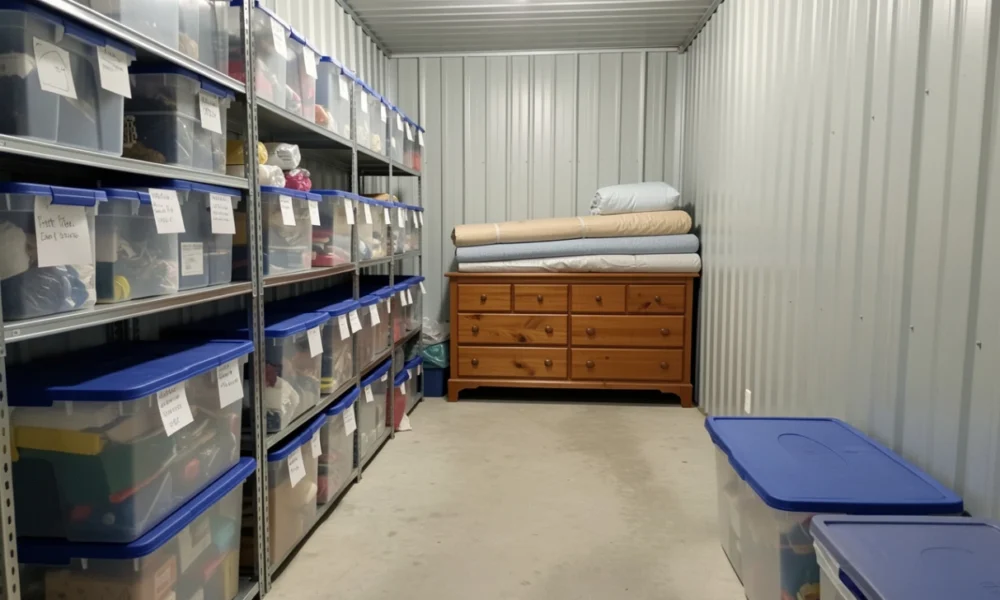
Renting a self-storage unit provides a practical solution for managing belongings during a move, a home decluttering project, or for storing business inventory. However, without a clear organizational strategy, a storage unit can quickly become a chaotic and inaccessible space. Proper organization maximizes the usable space, protects your items, and ensures you can locate what you need without having to unload the entire unit. This guide provides a structured approach to organizing a self-storage unit, from initial planning to ongoing maintenance.
Table Of Content
- Understanding Self-Storage Unit Basics
- What Is a Self-Storage Unit?
- Types of Storage Units and Their Uses
- Planning Your Storage Unit Layout
- Step 1: Assess and Inventory Your Belongings
- Step 2: Determine Accessibility Needs
- Step 3: Sketch a Simple Floor Plan
- Packing Techniques for Protection and Organization
- Choosing Appropriate Packing Materials
- Packing Specific Item Categories
- Implementing a Labeling System
- Structuring Your Unit for Ongoing Access
- Maximizing Space with Stacking and Shelving
- Creating and Maintaining Pathways
- Maintaining Security and Item Condition
- Security Best Practices
- Routine Inspection and Care
- Managing Common Storage Challenges
- Preventing Pest and Moisture Problems
- Addressing Temperature Sensitivity
- Solving Space Constraints
Understanding Self-Storage Unit Basics
Before you begin organizing, it is helpful to understand the types of units available and how they can best serve your needs.
What Is a Self-Storage Unit?
A self-storage unit is a rented space, typically in a multi-unit facility, used by individuals or businesses to store goods on a short-term or long-term basis. Units vary significantly in size and are secured by the tenant’s own lock, often with additional security provided by the facility, such as perimeter fencing and surveillance cameras.
Types of Storage Units and Their Uses
Selecting the right unit type is the first step in protecting your belongings. The primary options include:
- Standard Units: These are basic, enclosed spaces suitable for items that are not sensitive to temperature fluctuations, such as furniture, books, and non-electronic household goods. They are typically the most economical choice.
- Climate-Controlled Units: These units maintain a consistent temperature and humidity level. They are essential for items that can be damaged by extreme heat, cold, or moisture. Examples include electronics, wooden furniture (which can warp), artwork, musical instruments, important documents, and photographs.
- Drive-Up Units: These units have an exterior door that opens directly to the outside, allowing you to drive your vehicle or trailer right up to the entrance. This design simplifies loading and unloading heavy or bulky items like lawn equipment, large appliances, or furniture.
Planning Your Storage Unit Layout
Effective organization begins before you place a single box inside the unit. A plan helps you optimize the space and maintain accessibility from the start.
Step 1: Assess and Inventory Your Belongings
Begin by creating a detailed inventory of everything you plan to store. List items and group them by category—for example, “holiday decorations,” “kitchen appliances,” “winter clothing,” or “business files.” This process helps you estimate the required unit size and prevents you from renting unnecessary space. Many facilities provide size guides based on common household equivalents (e.g., a 5×5 unit fits the contents of a small closet).
Step 2: Determine Accessibility Needs
Consider how frequently you will need to access different items. Goods you may need regularly—such as seasonal sports equipment, off-season clothing, or business documents—should be placed near the front of the unit. Items intended for long-term storage, like heirlooms or archived files, can be positioned toward the back.
Step 3: Sketch a Simple Floor Plan
Draw a basic diagram of your unit to scale. Plot the placement of large items first, such as furniture, large appliances, and major stacks of boxes. A well-designed floor plan should include a central or side pathway to the back of the unit, ensuring you do not have to move front-row items to reach those behind them. Consider using vertical space by planning for stackable bins or shelving units.
Packing Techniques for Protection and Organization
The methods and materials you use for packing directly impact the safety of your items and the efficiency of your space.
Choosing Appropriate Packing Materials
Using consistent, high-quality packing materials simplifies stacking and protects contents.
- Boxes: For general items, use new or like-new corrugated cardboard boxes of uniform size where possible, as they stack more securely. Clear, durable plastic bins are an excellent investment; they protect against moisture and pests better than cardboard and allow you to see the contents without opening them.
- Wrapping and Cushioning: Use bubble wrap, packing paper, or furniture blankets to protect fragile items. Avoid using newsprint, as the ink can transfer onto items.
Packing Specific Item Categories
- Fragile Items: Wrap each delicate item individually. Clearly label these boxes as “FRAGILE” on multiple sides. Place lighter boxes on top of heavier, sturdier ones.
- Furniture and Large Items: Disassemble items where possible (e.g., table legs, bed frames) to save space. Keep all screws, bolts, and small parts in a sealed, labeled bag taped securely to the main piece of furniture.
- Documents and Paper Goods: Store important papers, photos, and books in plastic bins or file boxes to protect them from moisture and pests.
Implementing a Labeling System
A consistent labeling system is critical for long-term usability. Label every box clearly on at least two sides. Include a brief description of the contents and the general category (e.g., “Kitchen – Pots/Pans,” “Holiday – Lights/Ornaments”). For an advanced organization, create a numbered inventory list on your phone or computer that corresponds to numbers on the boxes, or use a QR code on the unit wall linking to a digital map of the contents.
Structuring Your Unit for Ongoing Access
How you arrange items within the unit determines how easily you can retrieve them later.
Maximizing Space with Stacking and Shelving
- Vertical Stacking: Stack boxes vertically to use the full height of the unit, but place the heaviest boxes at the bottom of each stack to prevent crushing.
- Using Shelving Units: Adding sturdy, freestanding plastic or metal shelving units can dramatically increase usable space. Shelves are ideal for smaller boxes, bins, and items you need to access more frequently, keeping them organized and off the floor.
- Pallets and Lumber: Place pallets, boards, or moisture barriers on the floor before stacking items directly on the ground. This helps protect against potential moisture or temperature changes coming from the concrete.
Creating and Maintaining Pathways
Leave a clear pathway to the back of the unit. Avoid the common mistake of filling the unit from the door inward without a route for access. If your floor plan is designed correctly, you should be able to reach items at the rear without moving everything in the front.
Maintaining Security and Item Condition
Ongoing maintenance and security practices ensure your belongings remain in good condition.
Security Best Practices
- Locks: Use a high-quality, disc lock or cylinder lock made of hardened steel. These are more resistant to cutting or forced entry than standard padlocks.
- Facility Features: When choosing a facility, prioritize those with features like 24/7 video surveillance, individually alarmed units, and gated access with personalized entry codes.
- Insurance: Check if your renters’ or homeowners’ insurance policy covers items in storage. If not, consider purchasing storage insurance from the facility or a third-party provider to protect against theft or damage from covered perils.
Routine Inspection and Care
Plan to visit your unit periodically, perhaps every three to six months. During these visits:
- Check for any signs of pests, moisture, or leaks.
- Ensure boxes remain dry and undamaged.
- Rotate items or adjust the layout if your storage needs have changed.
- Take the opportunity to clean the floor area before restacking items.
Managing Common Storage Challenges
Even with careful planning, certain issues can arise. Here are methods to address them.
Preventing Pest and Moisture Problems
- Storage Methods: Store fabrics, clothing, paper products, and any potential food sources (which should generally not be stored) in sealed plastic bins, not cardboard.
- Preventative Products: Place moisture absorbers (like silica gel or calcium chloride-based products) and pest control traps or repellents (following facility rules) inside the unit.
Addressing Temperature Sensitivity
If you are not using a climate-controlled unit, avoid storing items highly susceptible to temperature extremes. This includes:
- Electronics and batteries.
- Paints, solvents, and other chemicals.
- Wax items (like candles).
- Certain foods and beverages.
- Musical instruments.
If you must store sensitive items, verify their manufacturer’s recommended storage temperature range.
Solving Space Constraints
If your unit becomes overcrowded:
- Re-evaluate Your Inventory: Identify items that can be donated, sold, or discarded.
- Re-pack Inefficiently Packed Boxes: Consolidate partially filled boxes to free up space.
- Re-assess Your Stacking Strategy: Ensure you are using all vertical space effectively and that shelves are fully utilized.
By applying these methods for planning, packing, and maintaining your self-storage unit, you create a space that is functional, secure, and adaptable to your changing needs. A well-organized unit saves time, reduces frustration, and helps ensure your belongings remain in good condition for as long as they are stored.