

How to Choose Rubber Shoes: A Practical Guide to Fit, Function, and Materials
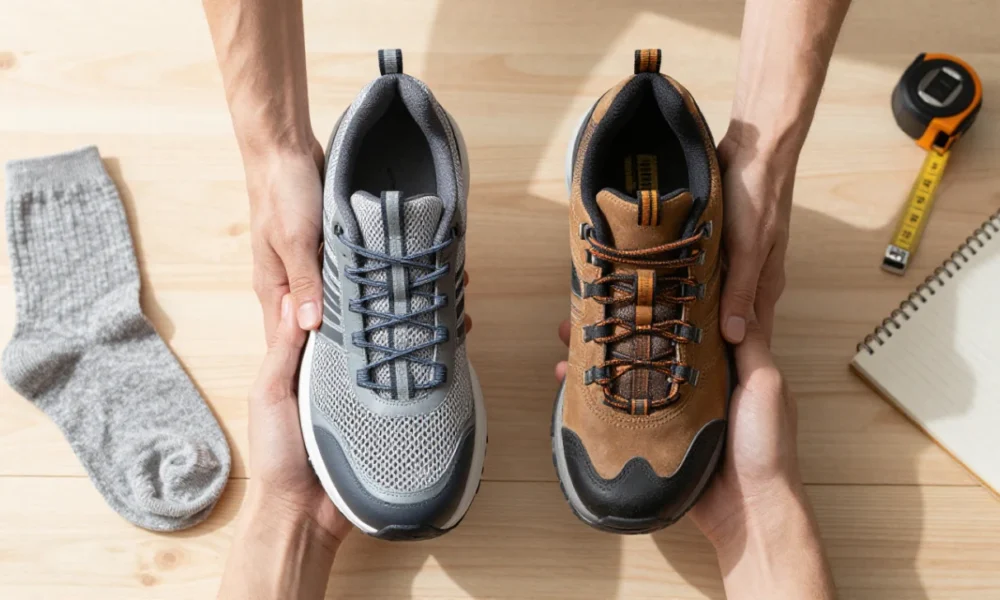
Finding shoes that balance everyday comfort with practical functionality is a common goal. Rubber shoes, a broad category ranging from casual sneakers to specialized outdoor boots, have become a wardrobe staple for many. Their popularity stems not just from style, but from their inherent durability and utility.
Table Of Content
Selecting the right pair, however, involves more than just picking a design you like. Whether you need a shoe for daily walking, specific athletic activities, or wet-weather protection, understanding the key factors will lead you to a better purchase. This guide provides four practical tips to help you navigate the process and choose rubber shoes suited to your needs.
1. Define the Primary Use Case
The most important step is to identify the main activity for the shoe. A shoe optimized for one purpose may perform poorly or be uncomfortable for another.
- For Everyday Wear and Walking: Prioritize comfort and breathability. Look for shoes with cushioned midsoles, often made from EVA foam, and uppers made from breathable materials like mesh or knitted fabric. These features help reduce foot fatigue during long periods of standing or walking.
- For Running (Road or Treadmill): Running shoes are engineered for forward motion and shock absorption on predictable, hard surfaces. Key features include a lightweight design, significant cushioning in the midsole, and a flexible forefoot to support your gait cycle . The outsole typically has a flatter tread pattern for grip on pavement .
- or Hiking (Trail or Uneven Terrain): If your plans involve trails, prioritize stability, protection, and traction. Hiking shoes or boots feature deeper, more aggressive lugs on the outsole for gripping dirt and rocks . They often include a protective rock plate in the midsole to shield your feet from sharp objects and a more durable upper to withstand abrasion .
- For Consistently Wet Conditions: If you frequently encounter rain, mud, or puddles, consider purpose-built rubber boots. Unlike standard “rubber shoes,” these are constructed from vulcanized rubber and are 100% waterproof, making them ideal for wet trails or outdoor work .
2. Evaluate Material and Construction
Understanding the basic materials used in your shoes helps you assess their quality, comfort, and longevity. Modern footwear combines various materials for different parts of the shoe .
- Outsle (The Bottom): This is the part that contacts the ground.
- Rubber is the dominant material for outsoles due to its durability and grip. Natural rubber offers excellent traction but can be heavier, while synthetic rubber compounds can be formulated for specific properties like lighter weight or enhanced wet-surface grip, such as with Vibram® MegaGrip. Look for lug depth appropriate for your terrain: shallower lugs (3-4mm) for roads, deeper lugs (5-6mm+) for soft or loose trails.
- Midsole (The Cushioning Layer): Located between the outsole and your foot, this layer determines the shoe’s feel.
- EVA (Ethylene-Vinyl Acetate) foam is common for its lightweight cushioning properties. It provides good shock absorption for walking and running, but it can compress and lose its springiness over time.
- Polyurethane is a denser and more durable material, offering firmer, longer-lasting cushioning, though it adds a bit of weight .
- Upper (The Covering): This material affects breathability, flexibility, and protection.
- Mesh and engineered knits provide maximum airflow, keeping feet cool during activity. These are common in running and casual walking shoes .
- Synthetic leathers and reinforced fabrics offer increased durability and weather resistance, often found in hiking and lifestyle shoes.
3. Prioritize Fit and Comfort Through Trial
A shoe’s specifications matter little if the fit is wrong. Trying shoes on is a critical step that should not be skipped.
- Try on at the Right Time: Feet naturally swell throughout the day and during activity. For the most accurate fit, try on shoes later in the day or after a workout.
- Wear Appropriate Socks: Bring or wear the type of socks you plan to use with the shoes. Thicker hiking socks will take up more space than thin running socks, potentially affecting the size you need.
- The Thumb’s Width Test: After putting the shoe on and lacing it securely, press your thumb down between the end of your longest toe and the front of the shoe. You should have about a thumb’s width (roughly half an inch) of space. This room prevents your toes from hitting the front of the shoe on downhills, which can cause bruising.
- Walk Around: Take a few laps around the store. Pay attention to any pressure points, heel slippage (a secure heel is important), or areas that feel too tight. The shoe should feel comfortable from the start; do not rely on a long “break-in” period to fix fit issues.
4. Assess Additional Features and Brand Reputation
Beyond the basics, specific features can enhance a shoe’s performance for your intended use.
- Waterproofing: For wet conditions, look for boots with built-in waterproofing, such as those with neoprene liners (like Muck Boot or Bogs) or membranes like Gore-Tex. For most general use, however, breathable, non-waterproof shoes are preferable as they dry faster and keep your feet cooler .
- Rock Plates: If you plan to hike on rocky trails, a shoe with a rock plate (a thin, rigid insert in the midsole) provides essential protection from sharp objects .
- Arch Support and Insoles: Consider the insole. Some shoes come with removable insoles, allowing you to replace them with custom orthotics or aftermarket supports if needed . For example, some users find that shoes like the Puma Velocity NITRO 4 offer a comfortable balance of support and cushioning for road running .
- rand Consistency: Choosing a reputable brand known for a specific category (e.g., running, hiking) can be a reliable shortcut. Brands like Merrell, Hoka, Salomon, and others invest in research and development for their specific niches . Checking recent product lines and reviews can give you confidence in their construction and durability.
By systematically considering the shoe’s purpose, its material makeup, its fit, and any specialized features, you can move beyond style and make an informed decision. The right rubber shoe is an investment in your comfort and safety, ready to support you through your daily activities.