

The Benefits of Recovery Group Activities for Mental Health and Well-Being
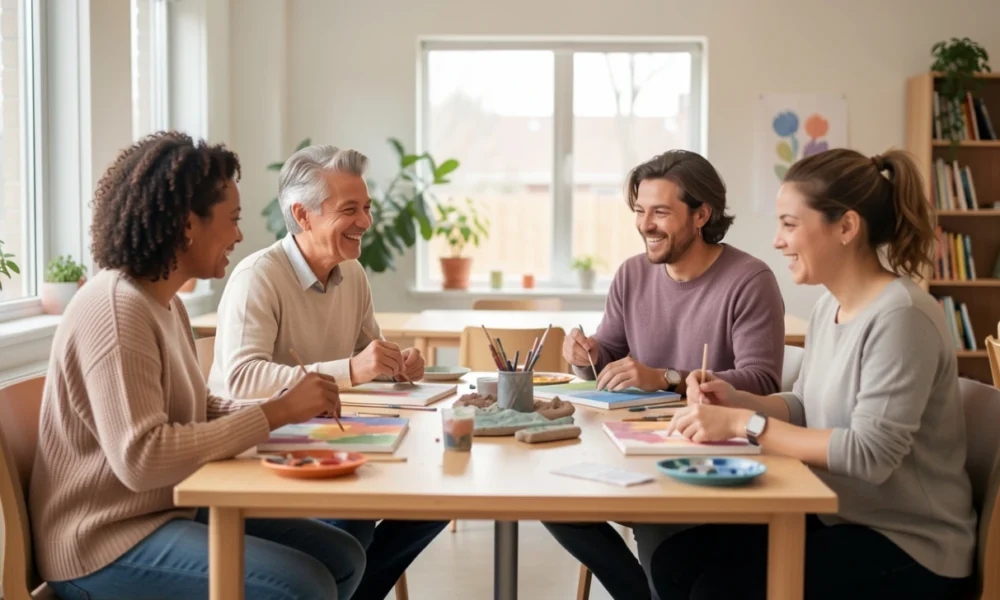
Recovery from mental health challenges or substance use is a deeply personal journey, but it doesn’t have to be a solitary one. Participating in structured group activities can be a powerful complement to individual therapy and medical treatment. These settings provide a unique environment where individuals can heal through connection, shared experience, and mutual support.
Table Of Content
- Enhances Sense of Belonging and Reduces Isolation
- Builds a Reliable Support System
- Encourages Healthy Socialization and Friendships
- Builds Self-Esteem and Confidence Through Achievement
- Promotes Personal Growth and Skill Development
- How to Find Recovery Group Activities
- Supporting a Loved One in Recovery
This article explores the key benefits of recovery group activities, illustrating how they contribute to a stronger sense of self, community, and long-term well-being.
Enhances Sense of Belonging and Reduces Isolation
Mental health struggles and addiction often thrive in isolation, creating feelings of loneliness and the belief that no one else understands one’s experiences. Recovery group activities directly counter this by fostering a strong sense of belonging. When individuals engage with peers who are facing similar challenges, they realize they are not alone in their journey. This shared experience is profoundly comforting and validating.
Being part of a group working towards common goals—whether it’s tending a community garden, learning a new craft, or supporting each other through discussion—creates an immediate sense of community. This connection is a fundamental human need and a critical component of resilience. Research from the Mental Health Foundation indicates that people who feel connected to their community report higher mental well-being and fewer symptoms of anxiety and depression . A 2021-2022 UK Community Life Survey also found that individuals who regularly engage in group activities report higher life satisfaction and reduced loneliness .
Builds a Reliable Support System
Recovery group activities naturally cultivate a built-in support system. Unlike formal therapy sessions, these groups offer a more informal setting where friendships can blossom, and organic support can occur . embers celebrate each other’s milestones, offer encouragement during difficult times, and provide a listening ear.
This peer support is invaluable. It provides hope by demonstrating that recovery is possible, as members see progress in others . IN a facilitated group like a “Recovery Skills Group,” participants learn and practice new coping strategies together, building a collective “toolbox” of strategies for managing triggers and improving daily functioning . Knowing there is a network of people who genuinely care and understand can make challenging periods easier to navigate.
Encourages Healthy Socialization and Friendships
For many in recovery, social anxiety or a history of unhealthy relationships can make socializing difficult. Group activities provide a low-pressure, structured environment to practice social skills and rebuild trust. Activities are often task-focused, such as working on an art project, preparing a meal, or playing a sport, which gives people a shared focus and makes conversation more natural.
These interactions can break down walls and lead to the formation of genuine, healthy friendships. A member of a peer support group in Glasgow described it as “like a wee family,” highlighting the deep connections formed through shared activities and outings. This type of social connection is a key factor in maintaining long-term recovery and building a fulfilling life.
Builds Self-Esteem and Confidence Through Achievement
The journey of recovery can often leave individuals feeling inadequate or focused on past failures. Group activities offer countless opportunities to build self-esteem through small, achievable goals. Successfully planting a vegetable, completing a piece of art, or learning a new skill provides a tangible sense of accomplishment.
In a group setting, these achievements are often witnessed and celebrated by others, providing positive reinforcement that can be incredibly uplifting. Taking on small roles within the group, like helping with setup or leading an activity, can further build confidence and a sense of purpose. One veteran in a therapeutic gardening program noted that seeing the life and color come from a plot they all worked on together was a profound experience, stating, “It’s something we created together” .
Promotes Personal Growth and Skill Development
Recovery group activities are often designed to promote personal growth beyond the immediate goal of abstinence or symptom management. They encourage individuals to try new things, discover hidden talents, and learn new skills . Programs offer a wide variety of activities to cater to different interests, including:
- Creative Arts Groups: Painting, clay work, creative writing, and music provide non-judgmental spaces for self-expression and processing emotions .
- Health and Fitness Activities: Gentle yoga, walking groups, hiking, and even structured events like the “Recovery Games” improve physical health, boost mood through endorphins, and build confidence .
- Vocational and Life Skills: Some programs offer training in areas like cooking, budgeting, or gardening, which build practical skills for independent living and can even open doors to volunteering or employment.
- Structured Therapeutic Groups: Clinically facilitated groups, such as those based on Cognitive Behavioural Therapy (CBT), help participants develop specific skills like managing anxiety, improving communication, and building resilience
How to Find Recovery Group Activities
Finding the right group can be a transformative step. Here are some practical ways to discover opportunities in your local community :
- Local Libraries and Community Centres: These hubs often have noticeboards or directories listing local clubs, support groups, and classes.
- Healthcare Providers: General practitioners (GPs), therapists, or community mental health teams can often “signpost” or refer individuals to social prescribing programs, peer support groups, or recovery colleges .
- Online Platforms: Websites like Meetup.com can be used to find both interest-based and wellness-focused gatherings. Local Facebook groups are also excellent resources for finding community events.
- Mental Health Charities: Organizations like Mind or Rethink Mental Illness (in the UK), or local substance use recovery organizations, often run or have lists of peer support groups and activity programs.
- Specialized Programs: Look for programs tailored to specific groups, such as veterans, young people, or university students, which can provide an added layer of shared understanding.
Starting can feel daunting, but it’s okay to begin small. Try attending one event, even for a short time, and givepermit yourselfleave if you feel overwhelmed.
Supporting a Loved One in Recovery
If you are a friend or family member wanting to support someone in recovery, you can play a crucial role. One concrete way is to become a “Recovery Ally.” Some organizations offer training programs designed to expand knowledge about substance use disorders, decrease stigma, and teach effective support skills
You can also offer practical support by helping a loved one research groups, accompanying them to a first meeting for moral support, or simply encouraging their participation and celebrating their engagement with the community. Your understanding and encouragement can reinforce the powerful benefits they are gaining from their group activities.