

Immune System Foods: A Science-Backed Guide to Nutrition and Defense
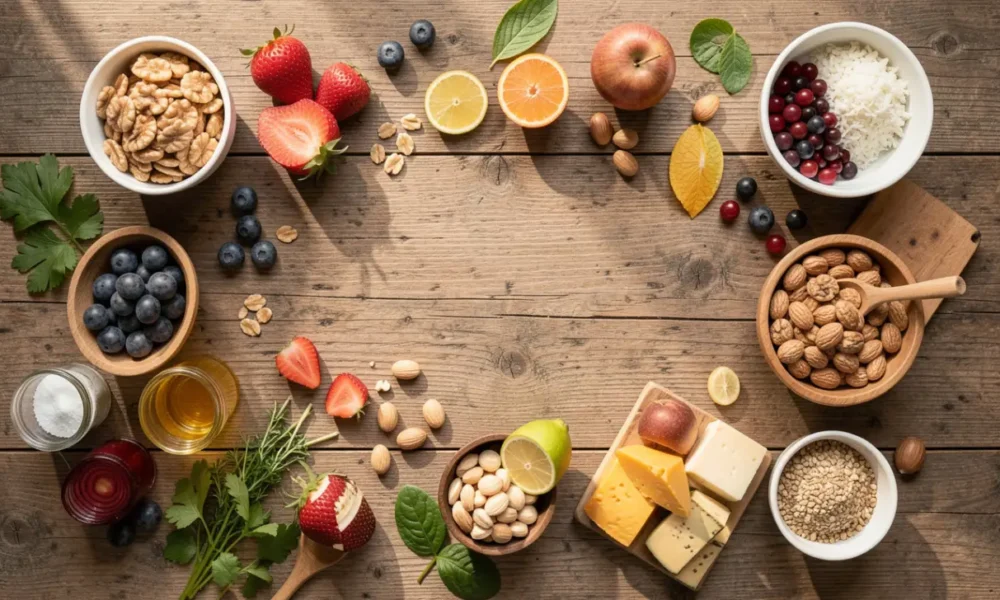
Have you ever noticed how some people seem to catch every seasonal illness while others stay remarkably healthy? While no single food can guarantee protection, the combination of nutrients you consume regularly plays a fundamental role in how well your immune system functions. Your body’s defense network—a complex system of cells, tissues, and organs—relies on a steady supply of specific vitamins, minerals, and bioactive compounds found in whole foods.
Table Of Content
- How Nutrition Shapes Immune Function
- Citrus and Vitamin C–Rich Produce
- Leafy Greens and Cruciferous Vegetables
- Berries and Polyphenol-Rich Fruits
- Fermented Foods and the Gut Microbiome Connection
- Omega-3 Fatty Acids and Healthy Fats
- Protein, Zinc, and Additional Nutrients
- A Practical Approach to Immune-Supporting Nutrition
- Lifestyle Factors That Work with Nutrition
- Conclusion
This guide examines the current evidence behind immune-supporting nutrition, focusing on whole foods rather than isolated supplements. You will learn which food categories provide key immune nutrients, how they work at the cellular level, and practical ways to include them in your daily eating patterns.
How Nutrition Shapes Immune Function
Your immune system operates around the clock, identifying and responding to potential threats. This constant activity requires energy and molecular building blocks that come directly from your diet.
Several nutrients play specific roles in immune defense:
- Vitamin C supports the production and function of white blood cells
- Vitamin D helps regulate immune responses
- Zinc is essential for immune cell development
- Protein provides amino acids that form antibodies
- Fiber feeds beneficial gut bacteria that interact with immune cells
The relationships between these nutrients matter as much as the nutrients themselves. Food matrices—the natural structures in which nutrients exist—often enhance absorption and provide complementary compounds that work synergistically
Citrus and Vitamin C–Rich Produce
Citrus fruits have long been associated with immune health, and for good reason. They provide vitamin C, a nutrient that supports various cellular functions of the immune system, including the activity of phagocytes—cells that engulf bacteria and other threats .
Oranges, lemons, limes, and grapefruits contain not only vitamin C but also flavonoids such as hesperidin and naringenin. These compounds help regulate inflammatory signaling and oxidative stress . In a 12-week controlled trial involving a Mediterranean diet, participants who consumed citrus showed increased blood levels of bioflavonoids and nearly 50% lower levels of the inflammatory cytokine IL-6 .
itamin C–rich produce extends beyond citrus. Bell peppers, strawberries, kiwi, and broccoli all provide significant amounts and add variety to meals .
Simple ways to include them:
- Add citrus segments to salads or yogurt
- Snack on bell pepper strips
- Include strawberries in smoothies
- Roast broccoli as a side dish
Leafy Greens and Cruciferous Vegetables
Leafy greens such as spinach, kale, and Swiss chard deliver vitamins A, C, and E, along with folate and iron [citation: original]. Vitamin A supports the integrity of mucosal barriers—your body’s physical frontline defense. Vitamin E acts as an antioxidant, protecting cell membranes from oxidative damage.
Cruciferous vegetables—broccoli, cabbage, cauliflower, Brussels sprouts—contain glucosinolates that convert into bioactive compounds like sulforaphane when chopped or chewed. Sulforaphane activates Nrf2, a master regulator of antioxidant genes, helping cells maintain balance under stress. Research suggests these vegetables also support gut barrier integrity, reinforcing the interface between the intestinal lumen and immune circulation .
Practical tips:
- Blend a handful of spinach into smoothies
- Sauté kale with garlic as a warm side
- Roast broccoli or Brussels sprouts with olive oil
- Use cabbage leaves as wraps [citation: original]
Berries and Polyphenol-Rich Fruits
Berries—blueberries, strawberries, raspberries, blackberries—are concentrated sources of anthocyanins and other polyphenols. These compounds influence vascular health, lipid metabolism, and gut microbial composition
Human trials demonstrate measurable effects. A 2025 study in adults with prediabetes found that consuming approximately 2.5 servings of strawberries daily for 12 weeks improved fasting glucose, insulin resistance, hemoglobin A1c, and inflammatory markers, including high-sensitivity CRP and interleukin-6. Another study in infants showed that daily blueberry consumption during complementary feeding improved resolution of allergy-related symptoms and favorably shifted immune biomarkers .
Pomegranate deserves special mention. Rich in ellagitannins, it is transformed by gut microbes into urolithins—compounds associated with improved mitochondrial function and reduced inflammatory activity. In patients with inflammatory bowel disease in remission, daily pomegranate juice significantly reduced fecal calprotectin, a marker of intestinal inflammation .
Adding berries to meals:
- Top oatmeal or yogurt with fresh or frozen berries
- Blend into smoothies
- Use as a topping for whole-grain pancakes
- Enjoy a small bowl as dessert [citation: original]
Fermented Foods and the Gut Microbiome Connection
The relationship between diet, gut bacteria, and immune function represents one of the most active areas of nutrition research. The gut houses a large portion of immune cells, and the composition of intestinal microbiota influences how these cells behave [citation: original].
Fermented foods—yogurt with live cultures, kefir, sauerkraut, kimchi, miso, tempeh, kombucha—provide beneficial bacteria that can support gut microbial diversity. These foods introduce live microorganisms that may interact with the immune system through multiple mechanisms, including enhancing antibody production and supporting gut barrier function [citation: original].
Emerging research reveals deeper connections. A recent study from Weill Cornell Medicine demonstrated that gut bacteria influence how the amino acid asparagine from the diet is distributed—whether it feeds tumor growth or activates immune cells against cancer. This finding illustrates the intricate communication between diet, microbiota, and immune activity.
Including fermented foods:
- Start with a bowl of plain yogurt topped with fruit
- Use kefir as a smoothie base
- Add a spoonful of sauerkraut or kimchi to grain bowls
- Drink kombucha in place of sugary beverages [citation: original]
Omega-3 Fatty Acids and Healthy Fats
Omega-3 fatty acids—particularly EPA and DHA found in fatty fish—play distinct roles in immune regulation. These fats incorporate into cell membranes and serve as precursors for specialized pro-resolving mediators (SPMs), including resolvins and protectins. These compounds actively help resolve inflammation rather than simply suppressing it.
Fatty fish such as salmon, mackerel, sardines, and black cod provide EPA and DHA directly. For individuals who do not eat fish regularly, high-quality EPA-rich fish oil may offer similar support. Plant sources like flaxseeds, chia seeds, and walnuts provide ALA, a precursor that the body converts to EPA and DHA, though efficiency varies [citation: or iginal].
Recent research also highlights how different dietary fats influence post-meal immune responses. A 2026 study in Clinical Nutrition found that meals rich in monounsaturated fats or omega-3s activated broader immune metabolic processes compared to saturated fat meals, with effects detectable through changes in circulating extracellular vesicles.
Practical guidance:
- Aim for fatty fish twice weekly
- Sprinkle ground flaxseeds or chia seeds on cereal or yogurt
- Snack on walnuts
- Use extra-virgin olive oil as your primary cooking fat [citation: original]
Protein, Zinc, and Additional Nutrients
Protein provides the amino acids necessary for building antibodies and immune cells. Adequate protein intake—from beans, lentils, tofu, eggs, poultry, or lean meats—supports the body’s ability to mount effective immune responses.
Zinc deserves particular attention. This mineral supports the development and function of immune cells. Food sources include beans, lentils, chickpeas, pumpkin seeds, cashews, yogurt, and oysters. Unlike some nutrients, zinc is best obtained through food, as excessive supplementation can cause side effects.
Vitamin D stands apart because food sources are limited. Fatty fish, egg yolks, and UV-exposed mushrooms provide some, but many people may need supplementation, especially during the winter months. A clinician can test levels and recommend appropriate dosing.
Building balanced meals:
- Fill half your plate with vegetables and fruits
- Reserve one-quarter for protein foods
- Reserve one-quarter for whole grains or starchy vegetables
- Include healthy fat sources
A Practical Approach to Immune-Supporting Nutrition
Building a diet that supports immune function does not require perfection or expensive specialty products. The evidence consistently points to overall patterns rather than individual superfoods
Key principles include:
- Variety across food groups ensures a range of nutrients
- Consistency matters more than occasional efforts
- Whole foods provide matrix effects that supplements cannot replicate
- Balance prevents displacement of nutrient-dense options
One-day sample menu:
- Breakfast: Oatmeal with chia seeds, blueberries, and a dollop of yogurt; green tea
- Lunch: Mixed greens with roasted sweet potato, chickpeas, bell peppers, pumpkin seeds, and olive-oil vinaigrette; orange slices
- Snack: Kefir smoothie with spinach and frozen berries
- Dinner: Baked salmon with sautéed mushrooms and broccoli; brown rice
Lifestyle Factors That Work with Nutrition
Nutrition does not operate in isolation. Several other factors significantly influence immune health:
Sleep allows the body to repair and regulate immune function. Most adults need 7–9 hours of quality sleep per night .
Physical activity supports immune surveillance and metabolic health. Aim for at least 150 minutes of moderate activity weekly .
Stress management matters because chronic stress can suppress immune responses. Simple routines like brief walks, stretching, or breathing exercises help .
Vaccination and hygiene remain essential components of immune protection.
Conclusion
A strong immune system depends on consistent nutritional support. Citrus fruits, leafy greens, berries, fermented foods, omega-3-rich foods, and adequate protein all contribute to the complex network of defenses that protect your body [citation: original].
The evidence increasingly points to patterns rather than individual foods—a varied diet rich in whole plant foods, adequate protein, healthy fats, and fermented items provides the foundation. Sleep, physical activity, and stress management complete the picture.
By making mindful food choices most of the time and prioritizing overall dietary quality, you give your immune system the tools it needs to function optimally. Small, consistent steps add up to meaningful support for long-term health.