

Aluminum Pens: A Comprehensive Guide to Weight, Durability, and Writing Comfort
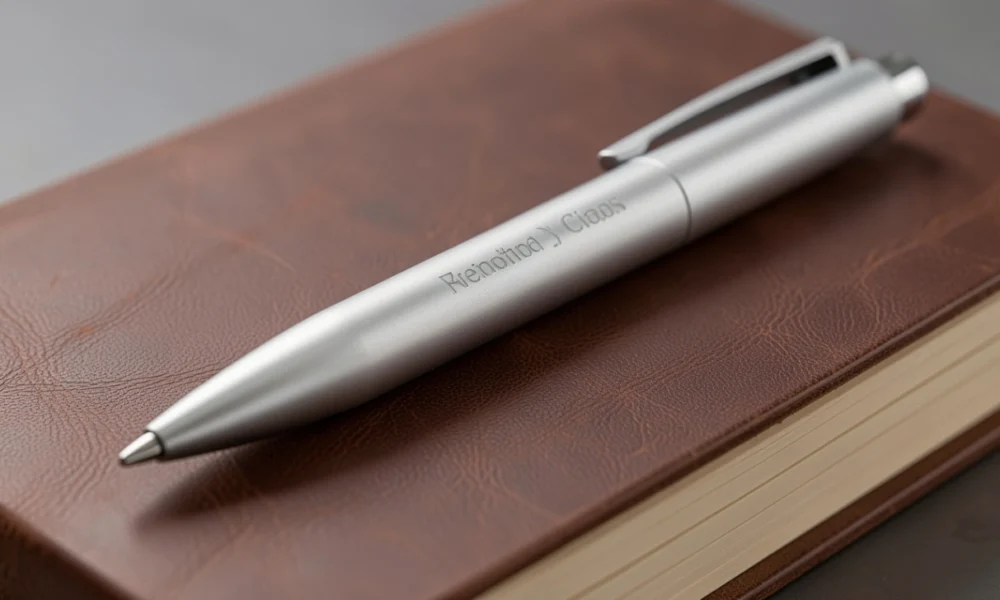
Metal writing instruments have gained popularity among professionals and enthusiasts who seek durability beyond disposable plastic options. Among these, aluminum pens occupy a distinct position—they offer the structural integrity of metal without the fatigue-inducing weight of heavier alternatives. Understanding how aluminum performs as a pen material helps writers make informed choices based on their specific needs.
Table Of Content
- Understanding Aluminum as a Pen Material
- Material Comparison: How Aluminum Stacks Against Other Metals
- Weight and Physical Feel
- Durability and Surface Hardness
- Cost Considerations
- Writing Experience and Ergonomics
- Maintenance and Care Guidelines
- Regular Cleaning
- Deep Cleaning for Fountain Pens
- What to Avoid
- Environmental and Economic Considerations
- Selection Criteria for Aluminum Pens
- Refill Compatibility
- Finish Type
- Grip Design
- Cap Mechanism
- Notable Aluminum Pen Models
- Conclusion
Understanding Aluminum as a Pen Material
Aluminum brings specific physical properties to pen manufacturing that directly affect the writing experience. With a density of approximately 2.7 g/cm³, aluminum is one of the lightest metals used in pen construction. This low density translates to finished pens typically weighing between 10 and 20 grams, placing them at the lighter end of the metal pen spectrum.
The material’s natural characteristics includea good strength-to-weight ratio and inherent corrosion resistance through oxidation. When exposed to air, aluminum forms a thin protective oxide layer that prevents further degradation—unlike ferrous metals that rust. Manufacturers enhance these properties through anodizing, an electrochemical process that thickens the natural oxide layer and allows for durable colored finishes that resist chipping and flaking.
Material Comparison: How Aluminum Stacks Against Other Metals
Writers selecting a metal pen face choices among several common materials, each offering distinct trade-offs in weight, durability, and writing feel.
Weight and Physical Feel
Metal density directly determines pen weight, which influences writing comfort during extended use. Aluminum pens typically range from 10-20 grams, making them suitable for long writing sessions without hand fatigue. By contrast:
- Stainless steel pens weigh 20-45 grams due to the density of 7.8-8.0 g/cm³
- Brass and copper pens range from 30-60 grams or more, with densities of 8.4-8.9 g/cm³
- Titanium offers a middle-ground weight of 20-40 grams at 4.5 g/cm³ density
Weight distribution matters as much as total mass. A well-balanced pen centers its gravity near where fingers grip the barrel. Aluminum’s light weight allows manufacturers to design balanced pens without making the instrument feel insubstantial.
Durability and Surface Hardness
Raw aluminum accepts scratches more readily than harder metals, but protective finishes mitigate this vulnerability. Anodized aluminum surfaces resist wear significantly better than untreated metal. Stainless steel and titanium offer greater inherent scratch resistance, though they add weight or cost r, respectively.
Cost Considerations
Aluminum pens generally cost less than equivalent models in other metals. Raw material prices explain much of this difference—stainless steel components might cost pennies, while titanium for a single pen can run $40.00. This makes aluminum accessible for writers seeking metal pen benefits without premium pricing.
Writing Experience and Ergonomics
The relationship between pen weight and writing comfort follows a practical principle: the pen should carry enough weight to mark the page without requiring additional pressure, but any excess weight beyond that becomes fatigue-inducing lift between strokes
Aluminum’s weight range suits this principle well. At 10-20 grams, aluminum pens provide sufficient mass for smooth ink flow while remaining light enough to manipulate easily. This proves particularly valuable for:
- Extended note-taking sessions w, where hand strain accumulates over time
- Journaling and creative writing that involves sustained output
- Professional settings requiring frequent document notation
Balance complements weight. High-quality aluminum pens position the center of gravity near the section-barrel junction, allowing the pen to rest naturally in the hand without requiring compensating grip pressure.e
Maintenance and Care Guidelines
Proper maintenance extends the aluminum pen’s longevity and preserves its appearance. Unlike some metals that require specialized care, aluminum pens need only routine attention.
Regular Cleaning
Clean aluminum pens using mild dish soap and warm water applied with a soft, lint-free cloth. Remove the ink cartridge before cleaning exterior surfaces. Do not immerse the pen body in water; instead, dampen the cloth and wipe surfaces clean. Ensure complete drying before reassembly and next u.se
Deep Cleaning for Fountain Pens
Fountain pen versions require more thorough maintenance. Flush the nib and feeder every 2-4 weeks with regular use, or immediately when switching ink colors .Use only cool or room-temperature water—hot water may damage internal seals or affect the pen’s finish. For stubborn dried ink, soak the nib and feeder section overnight, but never soak the aluminum body or cap.
What to Avoid
- Metal polish on aluminum—it damages anodized finishes
- Abrasive cleaning materials that can scratch surfaces
- Submersion of the entire pen body in water
Environmental and Economic Considerations
Aluminum pens represent an environmentally conscious choice compared to disposable plastic alternatives. Billions of plastic pens enter landfills annually, their mixed-material construction making efficient recycling difficult. Refillable aluminum pens reduce this waste stream significantly.
The economic calculation favors metal pens over time. A $20 aluminum pen that lasts a decade costs $2 per year. Replacing inexpensive plastic pens over the same period—assuming moderate daily use—accumulates comparable or higher expense while delivering inferior durability and writing experience .
Aluminum itself is highly recyclable without quality degradation. At the end of life, an aluminum pen can be disassembled and its components repurposed, unlike plastic pens that fragment into micro-pollutants.
Selection Criteria for Aluminum Pens
When evaluating aluminum pens, consider these factors to match the instrument to your needs.
Refill Compatibility
Choose pens accepting widely available refill types such as Parker-style or Pilot G2 formats. This ensures you can replace ink easily without searching for proprietary cartridges. Models compatible with Fisher Space Pen refills offer additional versatility for extreme conditions .
Finish Type
Anodized aluminum finishes provide superior scratch resistance and color retention compared to painted surfaces . Matte finishes reduce visible wear and provide a secure grip, while polished finishes offer a classic appearance but show handling marks more readily.
Grip Design
Some aluminum pens incorporate textured sections, removable O-rings, or knurling to improve handling. These features benefit writers who prefer additional traction or who write in varied conditions.
Cap Mechanism
Screw-on caps provide secure sealing but require two hands to operate. Snap caps offer convenience but may wear over time. Click mechanisms with metal internal components, such as those using machined stainless steel cam systems, provide durability approaching that of the pen body itself.
Notable Aluminum Pen Models
Several manufacturers produce aluminum pens with distinct characteristics serving different preferences.
Faber-Castell Essentio offers ballpoint, fountain, and rollerball versions with sleek aluminum construction suitable for professional environments.
Zebra Sarasa Grand combines an aluminum body with widely available gel ink refills, providing fa amiliar writing feel in a more durable package.
Sunderland Machine Works mk1 features hand-machined construction and a patent-pending cap design for those seeking craftsmanship.
Tuff-Writer Precision Pen utilizes 6061-T6 aerospace aluminum with modular construction and accepts Parker-style refills, designed for demanding conditions.
Lamy Al-Star offers lightweight aluminum construction with an ergonomic grip section, popular among students and daily writers.
UZI Tactical Pen incorporates a glass-breaking tip while maintaining a discreet aluminum body suitable for everyday carry.
Conclusion
Aluminum pens deliver a practical combination of durability, light weight, and affordability that suits most writers’ needs. Their 10-20 gram weight range reduces hand fatigue during extended use, while anodized finishes providea lasting appearance with minimal maintenance. Compared to heavier metals, aluminum offers easier handling; compared to plastic, it provides longevity and reduced environmental impact.
For writers seeking to upgrade from disposable pens without investing in premium metals, aluminum represents the most balanced choice. Standardized refill compatibility ensures continued usability regardless of brand, and proper care keeps these instruments functional for years. Whether for daily notes, professional correspondence, or creative writing, an aluminum pen combines practical performance with enduring construction.