

Brain Supplements: A Research-Based Guide to Cognitive Health Ingredients
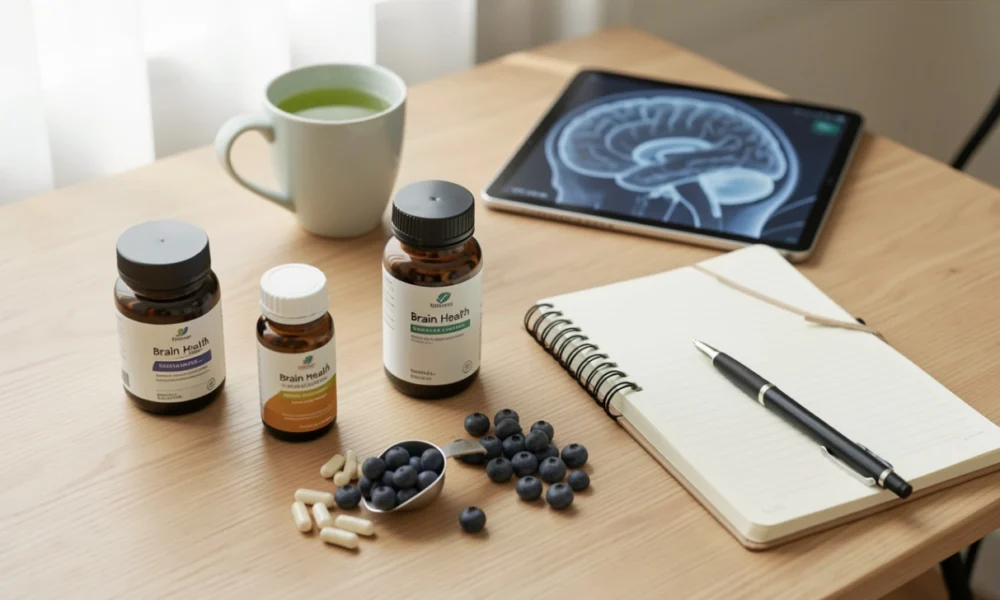
Interest in maintaining cognitive function throughout life has led many to explore brain health supplements. These products, also known as nootropics or cognitive enhancers, typically contain ingredients that may support memory, focus, and overall brain performance.
Table Of Content
- Why Brain Health Is a Focus for Supplementation
- A Closer Look at Common Brain Health Ingredients
- Tier 1: Core Cognitive Support Ingredients
- Tier 2: Herbal and Adaptogenic Compounds
- Tier 3: Supporting Ingredients for Brain Health
- How Brain Supplements Work: Key Mechanisms
- The Whole Picture: Supplements in the Context of Brain Health
- Safety and Considerations
- Conclusion
This guide provides an objective overview of commonly used brain supplements, the scientific rationale behind them, and important considerations for use. It is essential to consult a healthcare provider before starting any new supplement regimen.
Why Brain Health Is a Focus for Supplementation
The brain is the body’s command center, regulating thought, movement, and essential physiological processes. Like all organs, it changes over time. Neuronal communication can slow, and the brain’s structure may become more vulnerable to oxidative stress and inflammation.
Brain health supplements are often used with the goal of providing specific nutrients that support these underlying mechanisms. Research suggests certain ingredients may offer support by:
- Supporting Memory Functions: Some compounds are studied for their potential to help with information retention and recall. A study on brain supplements published in Nutrients (2021) indicates that certain ingredients may offer measurable benefits for memory performance in aging populations.
- Promoting Sustained Focus: Cognitive tasks require sustained attention. Certain nutrients are thought to support neurotransmitter activity involved in concentration and mental clarity.
- Maintaining Overall Cognitive Function: Beyond specific tasks, supplements may support general brain health, including problem-solving abilities and processing speed, by supporting healthy blood flow and neuronal structure.
A Closer Look at Common Brain Health Ingredients
When evaluating brain supplements, it is useful to examine the ingredients with the most substantial research backing. Effectiveness, bioavailability, and safety profiles vary widely among compounds.
Tier 1: Core Cognitive Support Ingredients
These ingredients are frequently cited in research for their fundamental role in brain structure and function.
Omega-3 Fatty Acids (DHA and EPA) Docosahexaenoic acid (DHA) and eicosapentaenoic acid (EPA) are long-chain omega-3 fats crucial for brain health. DHA is a primary structural component of brain cell membranes and neurons.
- Mechanism: Supports the fluidity of cell membranes and facilitates communication between brain cells. It also helps manage inflammation.
- Primary Use: General brain health maintenance, support for cognitive function across all ages.
- Source: Fatty fish (salmon, mackerel), fish oil, and algal oil supplements.
- Research Context: Extensive research, including commentary from institutions like Harvard Health, supports omega-3s for cardiovascular and cognitive health.
Phosphatidylserine (PS) is a phospholipid and a key component of cell membranes, particularly in the brain. It plays a role in cell-to-cell communication and the release of neurotransmitters.
- Mechanism: Supports membrane integrity and signaling pathways critical for memory formation.
- Primary Use: Age-related memory decline, supporting cognitive function.
- Source: Found in trace amounts in foods (like soy) but primarily taken as a supplement derived from soy lecithin or sunflower lecithin.
- Research Context: Clinical studies suggest PS supplementation may help slow or reverse cognitive decline associated with aging.
Citicoline is a chemical that occurs naturally in the body and is essential for the synthesis of phosphatidylcholine, another key component of brain cell membranes. It also supports the production of neurotransmitters like acetylcholine.
- Mechanism: Provides choline, a precursor to acetylcholine, a neurotransmitter critical for memory and learning. It also helps maintain neuronal structure.
- Primary Use: Enhancing memory, processing speed, and attention.
- Source: Available as a dietary supplement.
Tier 2: Herbal and Adaptogenic Compounds
These ingredients have historical use in traditional medicine and are now being investigated for their specific cognitive effects.
Bacopa Monnieri Bacopa monnieri is a perennial herb used in Ayurvedic medicine. It is classified as an adaptogen and is believed to have cognitive-enhancing properties.
- Mechanism: Compounds called bacosides are thought to help repair damaged neurons and improve nerve signaling. It may also have antioxidant effects in the brain.
- Primary Use: Improving memory formation, learning rate, and reducing anxiety.
- Source: Available as a standardized extract in capsule or powder form.
- Research Context: Multiple studies indicate that Bacopa monnieri can improve cognitive function, particularly memory retention, after several weeks of consistent use.
Ginkgo Biloba Extract from the leaves of the Ginkgo biloba tree is one of the most widely used herbal supplements for brain health.
- Mechanism: Believed to improve blood flow to the brain and act as an antioxidant.
- Primary Use: Enhancing memory and cognitive processing speed, particularly in older adults.
- Research Context: Research results are mixed. Some studies show modest benefits for memory and dementia symptoms, while others show no significant effect compared to a placebo.
Rhodiola Rosea Rhodiola rosea is an adaptogenic herb that grows in cold, mountainous regions. It is used to combat physical and mental fatigue.
- Mechanism: Influences levels of stress hormones like cortisol and modulates neurotransmitter activity, which can help protect the brain from the effects of stress.
- Primary Use: Reducing mental fatigue, improving focus under stressful conditions, and enhancing resistance to burnout.
- Source: Available in capsules, powders, or as a liquid extract.
- Research Context: Research, such as that referenced by Medical News Today, supports its role in managing stress and attention.
Tier 3: Supporting Ingredients for Brain Health
These compounds often target specific pathways, such as inflammation or cellular energy production, that indirectly support cognitive function.
Curcumin (from Turmeric) Curcumin is the active compound in turmeric, a spice widely used in cooking. It is known for its potent anti-inflammatory and antioxidant properties.
- Mechanism: Helps reduce chronic inflammation in the body and brain. Its antioxidant effects combat oxidative stress, which can damage brain cells.
- Primary Use: Supporting overall brain health by managing inflammation. Its role in potentially clearing amyloid plaques (associated with Alzheimer’s disease) is an area of active research.
- Source: Turmeric root; supplements often include piperine (black pepper extract) to enhance absorption.
Acetyl-L-Carnitine (ALCAR) Acetyl-L-carnitine is an amino acid derivative that plays a crucial role in energy metabolism within the mitochondria of cells.
- Mechanism: Helps transport fatty acids into mitochondria to be converted into energy. Its acetyl group also contributes to the production of acetylcholine.
- Primary Use: Improving mental energy, reducing age-related memory decline, and combating mental fatigue.
- Source: Available as a capsule or powder supplement.
Resveratrol is a compound found in the skin of red grapes, berries, and other plants. It is classified as a polyphenol with antioxidant properties.
- Mechanism: Activates sirtuins, proteins linked to cellular health and longevity. It also improves blood flow to the brain by supporting the health of blood vessels.
- Primary Use: Protecting against cognitive decline by reducing oxidative stress and improving circulation.
- Source: Red wine, grapes, and dietary supplements.
Creatine While known for athletic performance, is also a fuel source for the brain.
- Mechanism: Helps regenerate ATP (cellular energy) in brain cells, which can be particularly important during complex cognitive tasks or periods of high demand.
- Primary Use: Enhancing short-term memory and reasoning skills, especially in vegetarians or vegans who may have lower baseline creatine levels.
- Source: Red meat and fish; widely available as a supplement powder (usually creatine monohydrate).
How Brain Supplements Work: Key Mechanisms
The ingredients listed above generally target one or more of the following physiological pathways to exert their effects:
- Neuroprotection: Compounds like curcumin and resveratrol protect neurons from damage caused by free radicals (oxidative stress) and inflammation.
- Neurotransmitter Modulation: Ingredients like citicoline and acetyl-L-carnitine provide the building blocks for acetylcholine, a neurotransmitter essential for learning and memory.
- Cerebral Blood Flow: Ginkgo biloba and resveratrol are thought to improve circulation, ensuring the brain receives adequate oxygen and nutrients.
- Membrane Integrity: Phosphatidylserine and omega-3 fatty acids (DHA) are structural components that keep brain cell membranes healthy and flexible.
- Cellular Energy: Creatine and acetyl-L-carnitine support the mitochondria, the power plants of cells, ensuring neurons have enough energy to function.
The Whole Picture: Supplements in the Context of Brain Health
Cognitive function is not determined by supplements alone. For optimal brain health, supplements should be considered one component of a broader lifestyle approach. Key factors include:
- Diet: A diet rich in antioxidants, healthy fats (like the Mediterranean diet), and essential nutrients provides the foundational support for cognitive function.
- Physical Exercise: Aerobic exercise increases blood flow to the brain and stimulates the release of growth factors that support neuronal health.
- Mental Stimulation: Engaging in learning new skills, puzzles, and social interactions helps build cognitive reserve.
- Sleep: Sleep is critical for memory consolidation and clearing metabolic waste products from the brain.
Safety and Considerations
Before incorporating any brain health supplement into a routine, consider the following:
- Consult a Healthcare Provider: This is the most critical step. A doctor can assess for potential interactions with medications, identify underlying health conditions, and recommend appropriate dosages.
- Quality and Purity: The supplement industry is not strictly regulated by the FDA in the same way as pharmaceuticals. Look for products that have been third-party tested for purity and potency by organizations like USP, NSF International, or ConsumerLab.com.
- Dosage: “More” is not necessarily “better.” Follow the dosage instructions on the product label based on the advice of a healthcare professional.
- Individual Variation: Genetics, age, and overall health status can significantly influence how an individual responds to a supplement.
- Potential Side Effects: Be aware of possible side effects for each ingredient. For example, Ginkgo biloba can increase bleeding risk, and high doses of caffeine (often found in focus formulas) can cause anxiety or insomnia.
Conclusion
The field of brain health supplements offers a range of ingredients with varying levels of scientific support. Compounds like Omega-3s, Phosphatidylserine, and Bacopa monnieri have demonstrated promise in supporting memory and cognitive function, particularly in aging populations. Others, like caffeine and L-theanine, offer more immediate effects on focus and alertness.
A strategic approach involves identifying specific cognitive goals, researching the ingredients that align with those goals, and, most importantly, discussing the plan with a qualified healthcare provider. When used responsibly and as part of a brain-healthy lifestyle, these supplements can be a valuable tool for supporting cognitive wellness throughout life.