

Beyond Pizza: 25+ Unexpected Dishes to Cook in Your Outdoor Pizza Oven
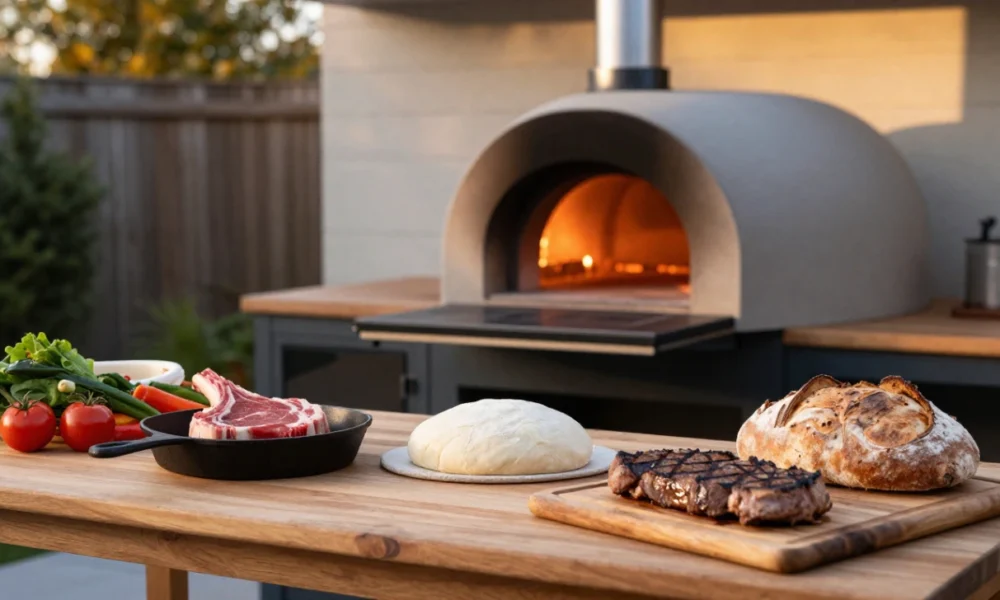
When most people think of a pizza oven, a perfectly charred, bubbling margherita pizza comes to mind. While pizza ovens excel at this, they are far from a one-trick pony. Whether you own a wood-fired, gas, or pellet outdoor pizza oven, the intense, consistent heat and unique cooking environment open up a world of culinary possibilities. From roasting vegetables to baking crusty bread and creating show-stopping desserts, these versatile appliances can become the centerpiece of your outdoor cooking experience.
Table Of Content
- The Unique Advantages of Pizza Oven Cooking
- Mastering the Art of Roasted Vegetables
- Best Vegetables for Roasting
- How to Roast Vegetables Perfectly
- Grilling and Roasting Meats to Perfection
- Ribeye Steak
- Spatchcock Chicken
- Baking Artisan Bread and Flatbreads
- Tips for Baking Bread in a Pizza Oven
- Decadent Desserts from Your Pizza Oven
- Basque Burnt Cheesecake
- Dessert Pizzas and Fruit Crumbles
- Essential Equipment and Practical Tips
- Key Techniques for Success
This guide explores what you can cook in a pizza oven besides pizza. We’ll cover techniques, temperature tips, and recipe ideas to transform your outdoor pizza oven into a multifunctional cooking station.
The Unique Advantages of Pizza Oven Cooking
Pizza ovens, particularly wood-fired models, offer distinct benefits that set them apart from standard kitchen ovens. The primary advantage is their ability to reach and sustain very high temperatures—often exceeding 900°F (482°C). This intense heat is ideal for quick cooking methods that yield specific textures and flavors.
- Superior Heat Retention: Materials used in pizza ovens, such as brick or stone, retain heat exceptionally well, ensuring consistent cooking temperatures.
- Smoky Flavor Infusion: Wood-fired ovens, specifically, impart a unique, subtle smokiness to food that is difficult to replicate with gas or electric ovens. The type of wood used (e.g., oak, apple, cherry) can further influence the flavor profile.
- Versatile Heat Zones: A properly managed fire creates different temperature zones within the oven. The area near the flames is perfect for searing, while the ambient heat further from the fire is ideal for slower roasting or keeping dishes warm. The residual heat as the oven cools down is also perfect for baking and slow cooking.
Mastering the Art of Roasted Vegetables
The dry, high heat of a pizza oven is arguably the best environment for roasting vegetables. It quickly caramelizes their natural sugars, creating a sweet, flavorful exterior with a tender interior, all while concentrating their taste. Roasting vegetables before adding them to a pizza also prevents a soggy crust, as the pre-cooked veggies won’t release excess water onto the dough .
Best Vegetables for Roasting
- Bell Peppers: Become sweet and develop a beautiful char.
- Red Onions: Turn jammy and sweet as their sugars caramelize.
- Cherry Tomatoes: Intensify into tangy-sweet bursts of flavor.
- Mushrooms: Lose moisture and gain a meaty, umami-rich texture.
- Zucchini and Eggplant: Roast to a golden, buttery tenderness .
- Broccoli and Cauliflower: Develop delightfully crispy, nutty edges.
- Root Vegetables: Butternut squash, carrots, and potatoes become incredibly sweet and tender when exposed to the oven’s intense heat
How to Roast Vegetables Perfectly
Achieving perfectly roasted vegetables is simple with the right technique. The following steps will guide you through the process.
- Prep and Cut: Wash your vegetables and cut them into uniform, even-sized pieces. This ensures they cook at the same rate .
- Dry Thoroughly: Moisture is the enemy of caramelization. Pat the cut vegetables dry with a paper towel to remove any excess water .
- Season Simply: Toss the vegetables in a bowl with just enough high-smoke-point oil (like avocado or refined olive oil) to lightly coat them. Season generously with salt, pepper, and any herbs you like, such as rosemary or thyme .
- Don’t Crowd the Pan: Spread the vegetables in a single layer on a rimmed baking sheet or in a cast-iron pan. Crowding the pan will cause them to steam rather than roast.
- Roast at High Heat: Aim for an oven temperature between 400-450°F (200-230°C). Roast for 15-25 minutes, flipping halfway through, until they are tender and have visibly caramelized edges
- Add to Pizza Late: If using roasted veggies as a pizza topping, add them halfway through the pizza’s baking time. This warms them through without allowing them to dry out or burn .
Grilling and Roasting Meats to Perfection
The pizza oven functions as a powerful hybrid of a grill and a high-temperature oven, making it ideal for cooking various meats. The key is to use the right tools, like a cast-iron skillet or a wire rack, to manage the intense heat and achieve superior results.
Ribeye Steak
For a restaurant-quality sear, a pizza oven is unmatched. The goal is a dark, caramelized crust with a perfectly cooked interior. – Preparation: Take a thick-cut ribeye steak out of the refrigerator 30-40 minutes before cooking to let it come to room temperature. Season generously with kosher salt and black pepper. – Cooking Method: Preheat your pizza oven to a very high temperature, around 700-750°F (370-400°C). Place a cast-iron skillet inside to preheat for 10-15 minutes. – Cooking Time: Carefully place the steak in the hot skillet. Sear for 90 seconds to 2 minutes per side for medium-rare. The key is to watch it closely, as it will cook much faster than on a conventional grill. Once done, remove the steak and let it rest for at least 5-10 minutes before slicing to allow the juices to redistribute.
Spatchcock Chicken
Spatchcocking (removing the backbone and flattening the bird) is the best way to roast a whole chicken in a pizza oven. It ensures even, quick cooking and maximizes crispy skin. – Preparation: Spatchcock the chicken by cutting out the backbone with kitchen shears and pressing down firmly on the breastbone to flatten it. Pat the skin completely dry with paper towels. Rub the entire bird with olive oil and a generous amount of your favorite seasoning blend, ensuring it gets under the skin as well. Cooking Method: Preheat your oven to around 400-450°F (200-230°C). Place the chicken, skin-side up, on a wire rack set inside a baking sheet or directly in a cast-iron pan – Cooking Time: Roast for 40-50 minutes, or until the skin is deeply golden and crispy and an instant-read thermometer inserted into the thickest part of the thigh reads 165°F (74°C). Let it rest for 10-15 minutes before carving.
Baking Artisan Bread and Flatbreads
The high, even heat and steam retention of a pizza oven mimic the conditions of a professional bread bakery. This environment is perfect for achieving an open crumb structure and a crackling, blistered crust. Almost any bread you bake in a standard kitchen oven can be baked in a pizza oven. The key difference is temperature control. Bread generally requires a lower temperature than pizza to ensure the inside cooks through before the outside burns. – Sourdough and Artisan Loaves: These thrive at temperatures between 450-500°F (230-260°C). Baking on a preheated pizza stone helps create a crisp bottom crust. – Focaccia and Ciabatta: These benefit from the high heat, which creates a crisp exterior while maintaining a soft, airy interior. – Flatbreads (Naan, Pita): These cook incredibly quickly at very high temperatures, developing desirable char spots and a chewy texture in just a few minutes .
Tips for Baking Bread in a Pizza Oven
- Manage the Temperature: If you’ve just finished cooking pizzas, let the oven cool down to the 450-500°F range for bread. Use an infrared thermometer to accurately check the temperature of the baking surface .
- Use the Right Tools: A pizza peel is essential for sliding your loaf onto the hot stone. A Dutch oven or a covered cast-iron pot can also be used to create steam, which is crucial for a good crust.
- Rotate Frequently: Pizza ovens often have hot spots. To ensure even browning, rotate your loaf every few minutes during the bake.
- Create Steam: For loaves like sourdough, you can create steam by placing a small metal pan of hot water in the oven just after loading the bread, or by using a spray bottle to mist the inside of the oven (carefully, to avoid cracking the stone)
Decadent Desserts from Your Pizza Oven
From caramelized fruit to perfectly baked cheesecake, the intense heat of a pizza oven works wonders on desserts. The key is often using the oven’s residual heat after a high-temperature cook.
Basque Burnt Cheesecake
This crustless cheesecake, with its signature dark, caramelized top, is a perfect match for a pizza oven. The high, all-around heat caramelizes the sugars on the top and sides, creating a deep, complex flavor that contrasts beautifully with its creamy center .
- Preparation: Make a standard cheesecake batter using cream cheese, sugar, eggs, and heavy cream. Pour it into a springform pan lined with parchment paper, ensuring the paper rises high above the rim .
- Cooking Method: Preheat your pizza oven to a temperature between 662-788°F (350-420°C) .
- Cooking Time: Bake with the door closed for 40-50 minutes. The top should be deeply browned, nd the center will still be very jiggly. Let it cool completely (it will deflate slightly) before chilling and serving.
Dessert Pizzas and Fruit Crumbles
- Dessert Pizza: Start with your regular pizza dough. Spread a base of Nutella, sweetened mascarpone, or pastry cream. Top with fresh or pre-cooked fruits like berries, bananas, or sliced apples. Bake at around 400°F (200°C) for 5-7 minutes until the crust is golden
- Fruit Crumble: Combine your favorite seasonal fruits with a bit of sugar and lemon juice in a cast-iron skillet. Top with a simple crumble of flour, butter, sugar, and oats. Bake in a moderately hot oven (around 375°F or 190°C) for 20-25 minutes until the fruit is bubbly, and the topping is golden brow.
Essential Equipment and Practical Tips
To safely and effectively cook a wide variety of foods in your pizza oven, a few key tools are essential.
| Tool | Primary Use |
|---|---|
| Cast Iron Skillet/Pan | Searing steaks, roasting chicken, baking fruit crumbles, cooking casseroles. It retains heat exceptionally well. |
| Pizza Peel | Launching and turning pizzas, bread loaves, and flatbreads. |
| Wire Rack | Roasting meats like a whole chicken allows for 360-degree airflow for even cooking and crispy skin. |
| Infrared Thermometer | Checking the temperature of the oven floor and cooking surface with precision. |
| Long-Handled Tongs | Safely turning meats and vegetables in the hot oven. |
| Oven Brush | Keeping the oven floor clean of ash and debris between cooks. |
Key Techniques for Success
- Use the Right Fuel: For wood-fired ovens, use seasoned hardwoods like oak, hickory, or fruitwoods for a clean, long-lasting burn and the best flavor. Avoid softwoods like pine, which can produce a bitter taste.
- Manage Your Fire: Keep a small, consistent flame burning on one side of the oven. This creates a gradient of heat, allowing you to move food to different zones depending on the cooking method.
- Respect the Residual Heat: The oven’s temperature doesn’t drop instantly after the fire dies. This cooling period is perfect for slow-cooking stews, roasting garlic, or baking delicate desserts that benefit from lower, gentler heat.
- Preheat Your Cookware: For an incredible sear on a steak, preheat your cast-iron pan inside the oven for 15 minutes before adding the meat.
A pizza oven is a significant investment, but its true value lies in its versatility. It is an invitation to experiment, to cook in new ways, and to share delicious, memorable meals with family and friends. So, next, you fire up your oven, think beyond the pizza. Whether you’re searing a steak, baking a loaf of sourdough, or roasting vegetables for the week, your pizza oven is the starting point for an exciting culinary journey.