

Living in Nanaimo, Working in Vancouver: A Complete Guide to the Commuter Lifestyle
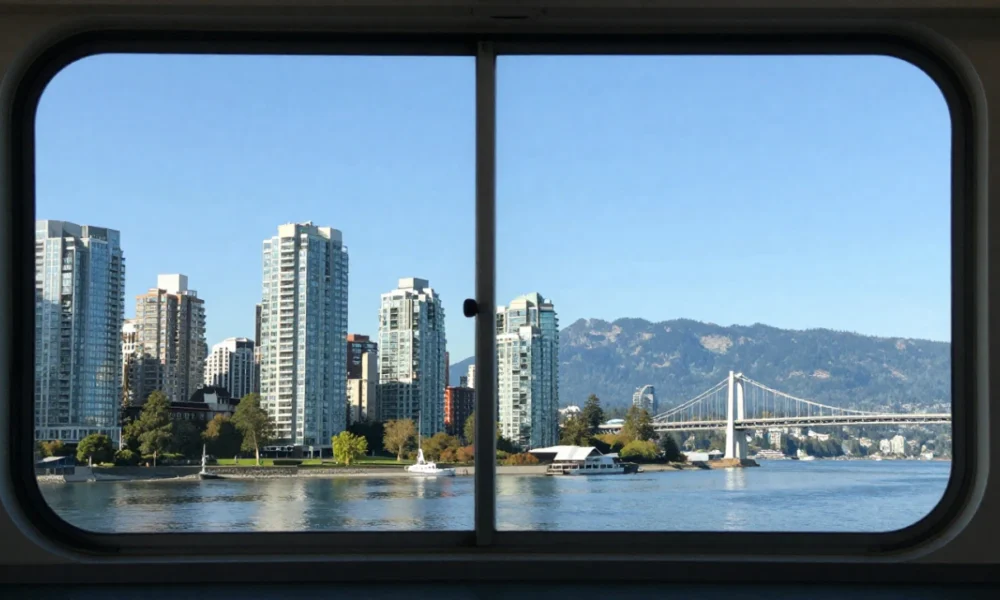
For many residents, Nanaimo offers the tranquility of island living, while Vancouver provides access to a broader range of professional opportunities. This dynamic has created a distinct commuter lifestyle for those navigating the Salish Sea. While the benefits of more affordable housing and a relaxed pace of life on the island are clear, the daily or weekly commute requires significant logistical planning and personal adaptability. This guide provides a realistic overview of what it takes to balance a life between the Harbour City and British Columbia’s largest metropolis.
Table Of Content
The Reality of the Nanaimo-Vancouver Commute
The decision to live in Nanaimo and work in Vancouver fundamentally shapes one’s weekly routine. It is a lifestyle choice that requires a deliberate approach to time, finances, and family life.
Time Management and Daily Routines The commute dictates the daily schedule. Many commuters opt for the first ferries of the day, such as the 5:15 AM sailing from Departure Bay or the 5:45 AM from Duke Point. This travel time is often repurposed as productive work hours, with passengers using onboard Wi-Fi to answer emails or plan their day. The return journey typically serves as a transition period, allowing commuters to decompress before rejoining their home life on the island.
Financial Considerations: Housing vs. Travel The primary economic driver for this commute is the significant difference in the housing market.
- Housing Costs: While the Real Estate Board of Greater Vancouver reports benchmark prices for a home well above $1.2 million, the Vancouver Island Real Estate Board consistently shows Nanaimo’s benchmark price is substantially lower, often by hundreds of thousands of dollars.
- Commute Costs: This housing affordability is offset by the direct costs of commuting, including ferry fares (which recently increased by 10-15% over the past few years for vehicles and passengers), vehicle maintenance, and fuel or transit passes on the mainland.
- Time Cost: Commuters must also account for the non-monetary cost of time spent traveling, which can range from three to five hours per day.
Impact on Family and Social Life Balancing a commuter schedule with family responsibilities requires a strong support system. Spouses or partners often take on primary responsibility for school runs, extracurricular activities, and household management during the workweek. Successful commuters emphasize the need for clear communication and dedicated family time on weekends to maintain strong relationships.
Essential Transportation Modes and Logistics
Navigating the route between Nanaimo and Vancouver involves more than just catching a boat. A reliable commute depends on understanding all moving parts.
BC Ferries: The Central Link
BC Ferries is the only marine carrier for vehicle and passenger traffic between Nanaimo and Vancouver. Commuters typically use one of two routes:
- Departure Bay (Nanaimo) to Horseshoe Bay (West Vancouver): This route is often preferred by those working in the North Shore or who wish to avoid downtown Vancouver traffic. The sailing time is approximately 1 hour and 40 minutes.
- Duke Point (Nanaimo) to Tsawwassen (Delta): This route is more convenient for those heading to Richmond, Surrey, or the U.S. border. The sailing time is about 2 hours.
Key logistical considerations include:
- Sailing Schedules: Schedules change seasonally, with reduced sailings in the fall and winter. Commuters must plan around these changes.
- Reservations: For vehicle traffic, especially on popular Friday evening and Monday morning sailings, a reservation is highly recommended to guarantee a spot and avoid multi-sailing waits.
- Fare Management: Frequent travelers should consider a BC Ferries Experience Card for streamlined payment or a frequent commuter pass if they travel daily.
Arriving in Vancouver: The Last Mile
Once in Metro Vancouver, commuters need an efficient plan to reach their final destination.
- TransLink System: From the Tsawwassen ferry terminal, the #620 bus connects directly to Bridgeport Station, providing access to the Canada Line SkyTrain into Richmond and downtown Vancouver. From Horseshoe Bay, buses connect to Park Royal in West Vancouver, where commuters can access other bus routes or the Seabus.
- Park and Ride: Many commuters choose to drive to the ferry terminal, park their car, and travel as a foot passenger. Parking lots at both Departure Bay and Duke Point can fill up quickly on busy travel days.
- Car-Sharing and Cycling: For those who drive their vehicle onto the ferry, navigating Vancouver traffic requires familiarity with rush hour patterns. In the city, services like Evo and Modo offer flexibility for those who arrive as foot passengers and need a vehicle for short trips.
Economic Advantages of a Bicities Career
Despite the travel time, the economic rationale for this lifestyle remains strong for many professionals.
Salary and Industry Access Vancouver is the primary economic hub of Western Canada, hosting headquarters for major corporations in the tech, film, finance, and natural resource sectors. This concentration often translates to:
- Higher Salary Potential: Specialized roles, particularly in tech hubs like Mount Pleasant or the Broadway Corridor, often command higher salaries in Vancouver than comparable positions available on Vancouver Island.
- Career Advancement: Access to larger companies provides clearer paths for career advancement and professional development.
Real Estate and Investment Strategy: The strategy of earning a Vancouver salary while living in Nanaimo can accelerate financial goals.
- Equity Building: Homeowners in Nanaimo benefit from the region’s property appreciation while their dollar buys significantly more space—often a single-family home versus a condo in Vancouver.
- Rental Income: Some commuters choose to purchase a primary residence in Nanaimo and rent a small apartment or shared space in Vancouver during the workweek, leveraging the rental market on the mainland to offset costs.
Tax Implications for Commuter.s For some, a portion of commuting expenses may be tax-deductible. If using a personal vehicle for work purposes (not just the commute to a regular place of business) or if required to pay for travel between job sites, these costs can be claimed. It is essential to consult with a tax professional who understands the nuances of claiming travel expenses against employment income in British Columbia.
Strategies for Maintaining Work-Life Balance
Successfully managing this lifestyle requires proactive strategies to maintain health and well-being.
Leverage Remote and Hybrid Work.rk The post-pandemic work environment has created more flexibility for commuters.
- Hybrid Schedules: Negotiating a schedule that requires being in Vancouver for only 2-3 days a week can drastically reduce physical and mental fatigue.
- Remote Work Agreements: Some professionals may be able to work from home in Nanaimo for the majority of their time, traveling to Vancouver only for key meetings or collaborative days.
Establish Consistent Routi. Nes Predictability reduces stress. Commuters find success by:
- Meal Prepping: Preparing meals for the week in Nanaimo to ensure healthy eating and reduce reliance on expensive and less nutritious takeout options in Vancouver.
- Standardized Packing: Keeping a “go-bag” with work essentials, toiletries, and a change of clothes packed and ready reduces morning decision fatigue.
- Sleep Hygiene: Maintaining a consistent sleep schedule, even on weekends, helps the body adapt to early mornings and long travel days.
Prioritize Self-Care and Commu. nity The transient nature of commuting can be isolating, making intentional efforts to build community crucial.
- Use Travel Time Wisely: Dedicate ferry time to activities that support well-being, such as reading for pleasure, meditating, or simply watching the scenery, rather than always working.
- Build Networks in Both Cities: Join professional associations or social clubs in Vancouver to foster connections during the workweek. On the island, engage with local community groups, neighbors, or hobby-based clubs to strengthen your sense of belonging in Nanaimo.
- Incorporate Natural Settings: Leverage the island’s natural environment for weekend restorative activities, such as hiking Mount Benson, walking the waterfront, or visiting nearby parks.
Living a dual-city life between Nanaimo and Vancouver is a significant commitment that offers distinct economic and lifestyle advantages. By understanding the logistics, planning finances carefully, and implementing strong personal routines, commuters can successfully navigate this unique British Columbia lifestyle and enjoy the best of both regions.