

How to Clean Up After a Home Renovation: A Complete Post-Construction Cleanup Guide
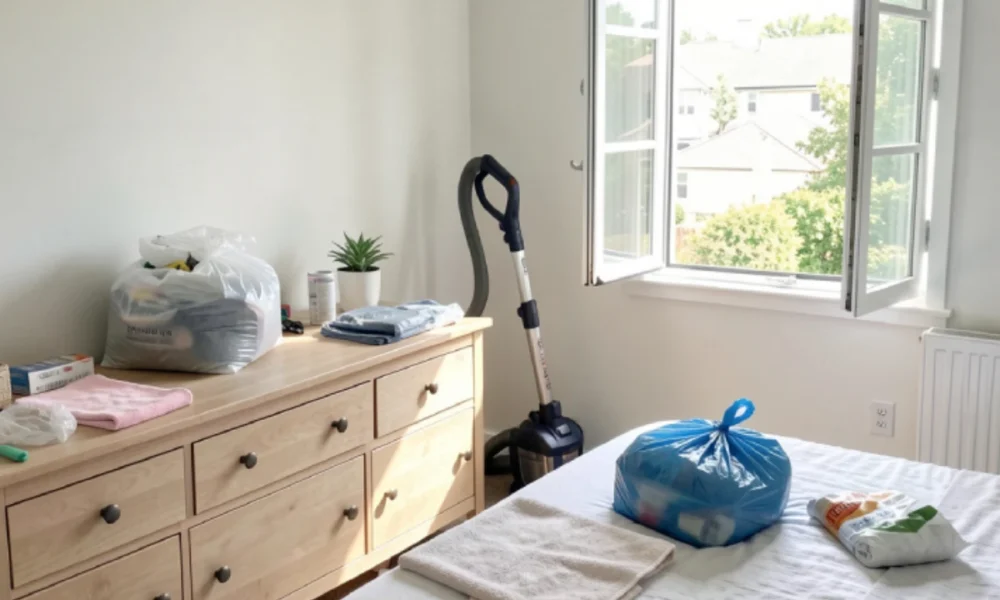
How to Clean Up After a Home Renovation: A Complete Post-Construction Cleanup Guide. Finishing a home renovation is satisfying — until you look around at the dust-coated surfaces, scattered debris, and fine particles that have worked their way into every corner of the space. Post-construction cleanup is a serious undertaking, and it requires more than a quick sweep. Construction dust, particularly silica dust from concrete, drywall, and sandstone, can cause respiratory problems if not removed properly. The following guide walks through every stage of the cleanup process so you can restore your home safely and thoroughly.
Table Of Content
- Should You Hire a Professional Post-Renovation Cleaning Service?
- What Post-Renovation Cleaning Actually Involves
- Step 1: Do a Final Walkthrough First
- Step 2: Gather Your Supplies and PPE
- Step 3: Work Top-Down and Room by Room
- Step 4: Address Air Vents, HVAC Filters, and Air Quality
- Step 5: Don’t Overlook the Exterior
- Step 6: Expect a Second Round of Dusting
- Getting Help From Family and Friends
- Post-Renovation Cleaning Checklist
Should You Hire a Professional Post-Renovation Cleaning Service?
Before picking up a mop, it’s worth deciding how much of this job you want to handle yourself. Post-construction cleanup is significantly more intensive than regular household cleaning. It often requires a HEPA-filter vacuum, commercial-grade air scrubbers, wet/dry vacuums, and specialty cleaning agents — equipment most homeowners don’t keep on hand.
Professional post-renovation cleaning services are worth considering if:
- The project covered multiple rooms or a large square footage (a typical deep clean for a 2,000-square-foot home starts around $500)
- Anyone in your household has respiratory conditions, allergies, or asthma
- You lack time or proper personal protective equipment (PPE)
- Your contractor only performed standard “broom-swept” cleanup, which is the industry norm and does not include detailed surface cleaning
If you hire professionals, confirm that the service includes HEPA-filtered vacuuming, air duct and vent cleaning, surface sanitization, and debris removal — not just a basic sweep.
What Post-Renovation Cleaning Actually Involves
A thorough post-construction cleanup goes well beyond floors. Construction dust settles on ceilings, walls, door frames, baseboards, cabinet interiors, window sills, air vents, and upholstered furniture. According to the CDC, silica dust — produced during cutting, drilling, sanding, and grinding of materials like concrete, sandstone, or mortar — becomes airborne and poses real health risks with prolonged exposure. SERVPRO Clearing it from all surfaces is the priority.
A complete post-renovation clean typically includes:
- Sweeping and vacuuming all surfaces, including ceilings and walls
- Wiping down cabinets, shelves, countertops, and all interior hardware
- Cleaning window interiors, sills, and frames
- Dusting air ducts, vents, blinds, ceiling fans, and light fixtures
- Sanitizing bathrooms and kitchens, including appliances
- Vacuuming and deep cleaning carpets
- Removing all remaining trash and construction debris
- Cleaning exterior areas including driveways, walkways, and patios
Step 1: Do a Final Walkthrough First
Before you start cleaning, do a thorough walkthrough of the renovation space. Check for any unfinished contractor work, loose wires, exposed nails, broken glass, or surfaces that still need to cure (such as fresh paint or new tile grout). Wet or uncured surfaces should not be cleaned until fully dry.
This walkthrough also helps you prioritize — identify the most affected areas, note the types of materials that were used (drywall, brick, tile, paint), and plan your supply list accordingly.
Step 2: Gather Your Supplies and PPE
Having the right tools and protective gear before you begin makes the process faster and safer.
Essential cleaning tools:
- HEPA-filter vacuum cleaner (standard vacuums can recirculate fine particles back into the air)
- Wet/dry shop vac for larger debris
- Microfiber cloths and dusters for fine particle capture without scratching surfaces
- Scrub brush for stubborn buildup
- Mop and flooring-appropriate cleaner
- Trash bags (construction debris fills them quickly)
Cleaning agents:
- All-purpose disinfectant cleaner
- Heavy-duty degreaser for grease and grime
- Solvent-based cleaner for adhesive or paint residue
- Surface-specific solutions for tile, glass, stone, or stainless steel
- pH-neutral cleaner for delicate surfaces like marble or natural stone
- Odor neutralizer if needed
Personal protective equipment:
- N95 dust mask or respirator
- Safety goggles
- Heavy-duty gloves
- Closed-toe, rubber-soled shoes
Step 3: Work Top-Down and Room by Room
The most efficient approach is to start with the room furthest from the main entrance and work toward the exit. This prevents tracking dust and debris back through areas you’ve already cleaned.
Within each room, always clean from top to bottom:
- Dry dust ceilings, crown molding, and upper walls first — drywall dust becomes streaky when wet, so start with a dry microfiber cloth
- Move to doors, door frames, baseboards, and window frames
- Wipe cabinet interiors, shelves, countertops, and all horizontal surfaces
- Clean windows and glass with appropriate glass cleaner, including sills and frames
- Vacuum floors thoroughly with a HEPA-filter vacuum before mopping
- Mop hard floors using the appropriate cleaner for your floor type (tile, hardwood, vinyl, etc.)
- Vacuum carpets, then deep clean with a carpet cleaner
Sanitize high-touch surfaces — doorknobs, light switches, cabinet handles — with a disinfectant cleaner as a final step in each room.
Step 4: Address Air Vents, HVAC Filters, and Air Quality
Even if you only renovate one part of your home, treating the air vents and filters in that space is important to reduce the dust that can spread throughout the rest of the house. Service Master Clean Remove vent covers, clean each one with soap and warm water, and let them dry before reinstalling. Replace any exposed air filters with fresh ones.
If the renovation was large-scale, consider having your HVAC ducts professionally cleaned. Fine construction dust can clog the system, reduce airflow efficiency, and circulate particles through the entire home long after cleanup is complete.
To further improve indoor air quality after cleaning:
- Run a HEPA air purifier in each room, moving it as needed
- Open windows and doors to create cross-ventilation when weather permits
- Use fans to circulate fresh air in individual rooms if full ventilation isn’t possible
According to the EPA, HEPA filters can remove at least 99.97% of dust, pollen, mold, and bacteria SERVPRO — making an air purifier a worthwhile tool for anyone with allergies or asthma.
Step 5: Don’t Overlook the Exterior
Construction cleanup doesn’t stop at the front door. Check the exterior of the home for any remaining debris, and address the following:
- Remove leftover construction materials or trash from the yard
- Sweep or pressure wash driveways and walkways
- Clean decks, patios, and porches
- Check for any landscaping damage from contractor equipment or materials
Step 6: Expect a Second Round of Dusting
In the days after completing a deep clean, more dust than usual will settle on flat surfaces. Pro Housekeepers Fine construction dust that was airborne during cleaning will continue to land on surfaces for several days. Plan for a lighter follow-up clean 48 to 72 hours after the initial deep clean — a damp microfiber cloth across all horizontal surfaces is usually sufficient.
Getting Help From Family and Friends
If the renovation covered a large area, asking family or friends to help with the cleanup can make the process significantly faster. Divide rooms between helpers, assign specific tasks (dusting, vacuuming, mopping), and make sure everyone has proper PPE before starting. Having an extra set of hands is especially useful for moving furniture to clean underneath and behind.
Post-Renovation Cleaning Checklist
Use this checklist to track progress room by room:
| Area | Task | Done? |
|---|---|---|
| All rooms | Dry dust ceilings, walls, molding | ☐ |
| All rooms | Wipe down all horizontal surfaces | ☐ |
| All rooms | Clean windows, sills, and frames | ☐ |
| All rooms | Vacuum floors (HEPA filter) | ☐ |
| All rooms | Mop hard floors | ☐ |
| Cabinets | Clean interiors, shelves, hardware | ☐ |
| Air vents | Remove covers, wash, replace filters | ☐ |
| Carpets | Vacuum and deep clean | ☐ |
| Kitchen/Bath | Sanitize appliances, fixtures, surfaces | ☐ |
| Exterior | Remove debris, sweep or pressure wash | ☐ |
| Final | Run air purifier, ventilate rooms | ☐ |
| Follow-up | Re-wipe surfaces 48–72 hours later | ☐ |
Cleaning up after a renovation takes time, the right tools, and a methodical approach — but working through it room by room, top to bottom, makes the job manageable. Prioritize dust removal and air quality above everything else, protect yourself with proper PPE throughout, and don’t hesitate to bring in professional cleaners when the scope of the job goes beyond what you can safely or efficiently handle on your own.