

Yoga Retreats in Mallorca: Complete Guide to Programs, Locations & What to Expect
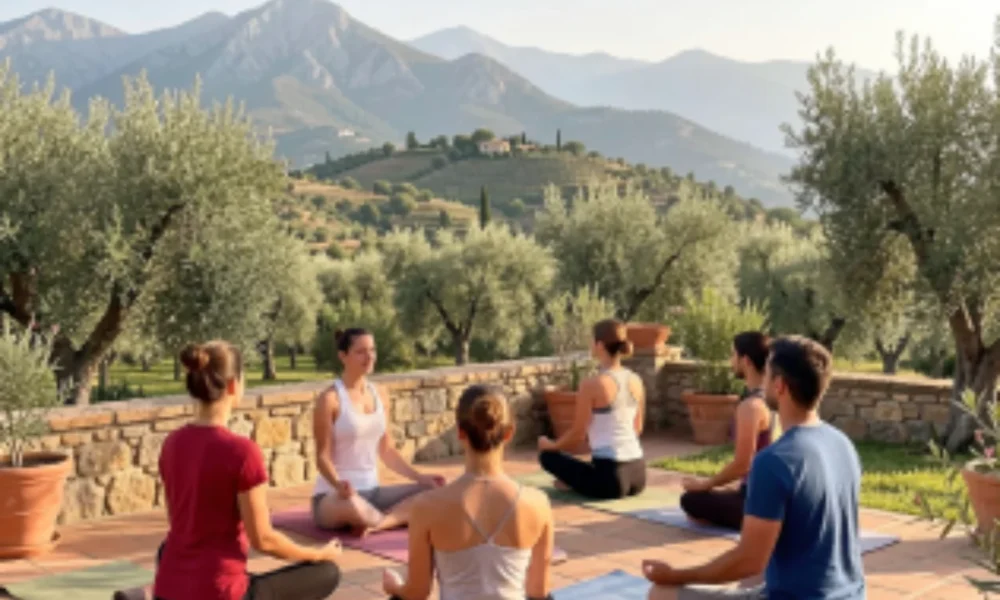
Yoga Retreats in Mallorca has grown into one of Europe’s most established destinations for yoga retreats, attracting practitioners from around the world who come for its Mediterranean climate, varied landscapes, and a growing community of experienced teachers and dedicated retreat centers. Whether you’re a first-time participant or a longtime practitioner, this guide covers everything you need to plan a yoga retreat on the island.
Table Of Content
- Why Mallorca Is a Popular Yoga Destination
- Types of Yoga Retreats Available in Mallorca
- Style-Specific Retreats
- Wellness and Detox Retreats
- Yoga and Hiking Retreats
- Luxury Retreats
- Silent and Meditation Retreats
- Pilates and Yoga Combinations
- Popular Retreat Locations on the Island
- What a Typical Day Looks Like
- Benefits of Attending a Yoga Retreat
- Physical
- Mental and Emotional
- Skill Development
- Community
- Diet and Nutrition at Mallorca Retreats
- Yoga Styles Practiced at Mallorca Retreats
- How to Choose the Right Retreat
- Practical Preparation Tips
- Economic and Environmental Context
- Frequently Asked Questions
Why Mallorca Is a Popular Yoga Destination
Mallorca’s appeal as a retreat destination comes down to a combination of practical and atmospheric factors. The island receives more than 300 days of sunshine per year, making outdoor yoga practice viable across most of the calendar. Its geographic diversity — coastal cliffs, mountain valleys, and agricultural plains — provides a range of settings within a relatively compact area.
The Serra de Tramuntana, a UNESCO World Heritage mountain range running along the island’s northwest coast, is particularly suited to retreat programming. Its forested trails, stone villages like Deià, Fornalutx, and Sóller, and elevated viewpoints create a sense of separation from ordinary routines that many participants find helpful for sustained practice.
Mallorca is also straightforward to reach. Palma de Mallorca Airport (PMI) connects to most major European cities with direct flights, and the island’s road network makes it easy to reach retreat locations across the interior and coast.
Types of Yoga Retreats Available in Mallorca
Style-Specific Retreats
Many retreat centers in Mallorca build their programs around a single yoga lineage. Ashtanga Mysore-style retreats are among the most established — operators like Balearic Retreats have hosted internationally recognized teachers including Kino MacGregor and Tim Feldmann for multi-week intensives. Vinyasa, Hatha, Yin, Kundalini, and Power yoga are all well represented across the island’s retreat calendar.
Wellness and Detox Retreats
Several centers combine yoga with naturopathic or Ayurvedic detox protocols. These programs typically include juice cleansing, raw food preparation, herbal therapies, and nutritional consultation alongside daily yoga and meditation sessions. The Yoga Retreats Ashram Om, for example, offers structured detox weeks that incorporate medicinal herbs collected locally and personalized dietary plans.
Yoga and Hiking Retreats
Programs that combine daily yoga sessions with guided hiking through the Tramuntana mountains are increasingly popular. Retreats in Mallorca (based in Fornalutx) run programs structured around two yoga sessions per day alongside two to three hour hikes through the Sóller Valley. This format appeals to participants who want physical variety alongside their practice.
Luxury Retreats
High-end properties such as Finca Serena and Cal Reiet offer retreats that integrate yoga and meditation with spa facilities — including hammams, heated pools, saunas, and therapeutic treatments — as well as gourmet organic menus. These programs tend to be smaller in group size and more flexible in scheduling.
Silent and Meditation Retreats
Some centers run silent retreats lasting three to seven days, focused primarily on seated meditation and mindful movement. These programs observe silence throughout and are structured around several meditation sessions per day, with yoga used in a supporting capacity.
Pilates and Yoga Combinations
A growing number of retreat operators — including Rützu Mallorca, hosted at a 13th-century monastery overlooking the sea — combine Pilates with yoga and meditation. These programs attract participants seeking a more physically conditioning structure alongside breathwork and mindfulness.
Popular Retreat Locations on the Island
Serra de Tramuntana — The mountain range’s villages, particularly Fornalutx, Deià, and Sóller, host several established retreat centers. The terrain supports hiking integration and the stone finca architecture provides distinctive settings.
Deià — Long associated with artists and writers, this coastal village offers a concentrated mix of yoga retreat providers. Cal Reiet, located nearby in Santanyí, is one of the island’s better-known wellness retreat centers with a full schedule of group and personalized programs.
Palma and Southwest Coast — Areas like Portals Nous and Illetes provide access to city amenities and beaches while remaining within easy reach of the countryside. Some retreats in this zone are better suited to participants who want flexibility to explore Palma’s cultural offerings alongside their program.
Northeast Coast (Alcúdia and Pollença) — This region offers a combination of broad sandy beaches and rocky coves. Retreat centers here tend to incorporate water-based activities more prominently.
What a Typical Day Looks Like
While schedules vary by center and program, most multi-day retreats in Mallorca follow a broadly similar structure:
Early morning begins with pranayama (breathwork) or silent meditation, typically before breakfast. This session is usually 30 to 45 minutes and is intended to prepare the body and mind for practice.
The main morning yoga class follows — generally 90 minutes to two hours. The style depends on the retreat’s focus: a Mysore-style program will offer self-paced practice with teacher adjustments, while a Vinyasa retreat will run a structured led class.
Breakfast is served after the morning practice, and most retreats use locally sourced, organic ingredients, with vegetarian or plant-based menus being the norm.
The midday period is typically unstructured, available for rest, swimming, hiking, or optional workshops covering topics such as yoga philosophy, Ayurvedic nutrition, or anatomy. Some programs schedule sound healing or cacao ceremony experiences during this time.
A second yoga session takes place in the late afternoon, often focused on restorative practice, Yin yoga, or alignment work — contrasting with the more physically active morning class.
Evening activities vary. Group dinners are common, and some retreats follow with kirtan, guided meditation, or talks from teachers. Programs that maintain silence in the evenings request that participants refrain from social conversation after dinner.
Benefits of Attending a Yoga Retreat
Physical
Daily yoga practice over four to fourteen days produces measurable improvements in flexibility, muscular endurance, and postural alignment. The combination of structured practice, adequate sleep, and nutrient-dense food often results in reduced inflammation markers and improved digestion for many participants.
Mental and Emotional
Retreat participants frequently report reductions in anxiety and stress within the first few days, attributed to the combination of removed digital distractions, consistent sleep schedules, breathwork, and meditation. The structured introspective environment — without the interruptions of work or domestic routine — creates conditions for sustained reflection that a weekly studio class cannot replicate.
Skill Development
Intensive daily practice accelerates learning in ways that once-weekly classes do not. Participants working on specific postures, breathing techniques, or meditation methods typically make more progress in a one-week retreat than in several months of intermittent studio attendance.
Community
Retreat groups are small enough — typically 8 to 20 participants — to allow genuine connection. Many participants maintain contact with fellow retreat attendees and teachers afterward, which provides ongoing motivation and accountability for their practice at home.
Diet and Nutrition at Mallorca Retreats
Most retreats align their food programs with the yogic principle of ahimsa (non-violence) and serve vegetarian or fully plant-based menus. Mallorca’s agricultural output — tomatoes, citrus, almonds, olive oil, and seasonal vegetables — provides a strong base for Mediterranean plant-based cooking.
Ayurvedic dietary principles appear at several centers, where meals are prepared according to dosha-balancing guidelines and served at consistent times to support digestive regularity. Detox programs often phase participants through raw food, juice fasting, and cooked food stages across the retreat duration.
Mindful eating is commonly practiced — some retreats serve one meal per day in silence, encouraging participants to eat without distraction and pay close attention to hunger and satiation signals.
Yoga Styles Practiced at Mallorca Retreats
| Style | Characteristics | Typical Retreat Format |
|---|---|---|
| Ashtanga | Set sequence, breath-synchronized movement | Mysore self-practice or led classes |
| Vinyasa | Flow-based, variable sequences | Led daily classes |
| Hatha | Classical postures, moderate pace | Beginner-friendly programs |
| Yin | Passive, long-held postures | Afternoon or evening sessions |
| Kundalini | Breathwork, chanting, kriyas | Specialist retreats |
| Restorative | Supported postures, nervous system recovery | Often included in luxury or wellness programs |
How to Choose the Right Retreat
Clarify your experience level. Mysore-style Ashtanga retreats generally require prior familiarity with the Primary Series. Hatha and Vinyasa beginner programs explicitly welcome participants with no prior experience. Most retreat listings specify minimum requirements.
Consider the ratio of yoga to free time. Some programs schedule five to six hours of yoga and structured activity per day; others offer two classes and leave the rest of the day open. Your preference for structure versus flexibility should guide this choice.
Check teacher credentials. Look for teachers who trained directly with recognized lineage holders or who hold certifications from accredited bodies (Yoga Alliance 200-hour or 500-hour, or equivalent).
Review the accommodation and food setup. Shared dormitory accommodation at an eco-retreat and a private room at a rural finca represent very different experiences at very different price points. Neither is inherently better — the right choice depends on your priorities.
Read recent participant reviews. Retreat quality can shift when lead teachers change. Look for reviews from the past twelve months and check whether the teachers listed are the ones currently running the program.
Practical Preparation Tips
Establish a consistent home practice before arriving, particularly if you plan to attend an intensive program. Daily practice for four to six weeks before a retreat significantly reduces physical soreness during the first few days and allows you to engage more fully with the material from the start.
Pack light layers for mountain evenings, which can be substantially cooler than coastal daytime temperatures, even in summer. Bring your own mat if you have strong preferences about surface or grip — most retreat centers provide mats, but quality varies.
If arriving from a distant time zone, consider building in a day in Palma before the retreat begins. The city has a compact historic center worth exploring and gives you time to adjust before committing to an early morning schedule.
Economic and Environmental Context
Yoga tourism contributes to the economic sustainability of rural Mallorca, where traditional seasonal agricultural and tourism revenue has historically been concentrated in coastal areas during summer months. Year-round retreat programming brings visitors to inland villages and provides consistent work for local suppliers, therapists, and service providers.
Responsible operators typically source food locally, work with licensed local guides for hiking activities, and in several cases have restored historic agricultural properties — traditional fincas and stone farmhouses — that would otherwise have remained vacant. Some centers have also implemented solar energy, rainwater harvesting, and waste reduction programs as part of their operating model.
Pressure on the local housing market from property acquisition for retreat use is a documented concern in some villages, and visitors who want to support community-positive tourism can prioritize operators who employ local staff and contribute to local economies in transparent ways.
Frequently Asked Questions
Do I need prior yoga experience to attend a retreat in Mallorca? No. Many programs are specifically designed for beginners. That said, intensive Ashtanga or advanced Vinyasa programs do require prior experience — always check program prerequisites before booking.
When is the best time to visit Mallorca for a yoga retreat? The island hosts retreats year-round. Spring (April–June) and autumn (September–October) offer mild temperatures ideal for outdoor practice and hiking. Summer is hot but remains popular for coastal retreats. Winter retreats tend to be smaller and quieter.
How long are most retreats? Programs range from weekend retreats (3–4 days) to full two-week intensives. One week (6–7 nights) is the most common format and generally considered sufficient time to notice a meaningful shift in practice and well-being.
What is the average cost of a yoga retreat in Mallorca? Prices vary considerably. Budget eco-retreat programs in shared accommodation typically start from approximately €800–€1,200 per week including meals. Mid-range retreats with private rooms run €1,500–€2,500. Luxury programs at high-end fincas or hotels can reach €3,000–€5,000 or more per week.
Are yoga retreats in Mallorca suitable for solo travelers? Yes. The majority of retreat participants arrive alone. The small group format and shared daily schedule naturally create social connection, and most retreat operators design the program with solo travelers in mind.