

Healthcare Furniture: How the Right Choices Improve Patient Experience and Staff Efficiency
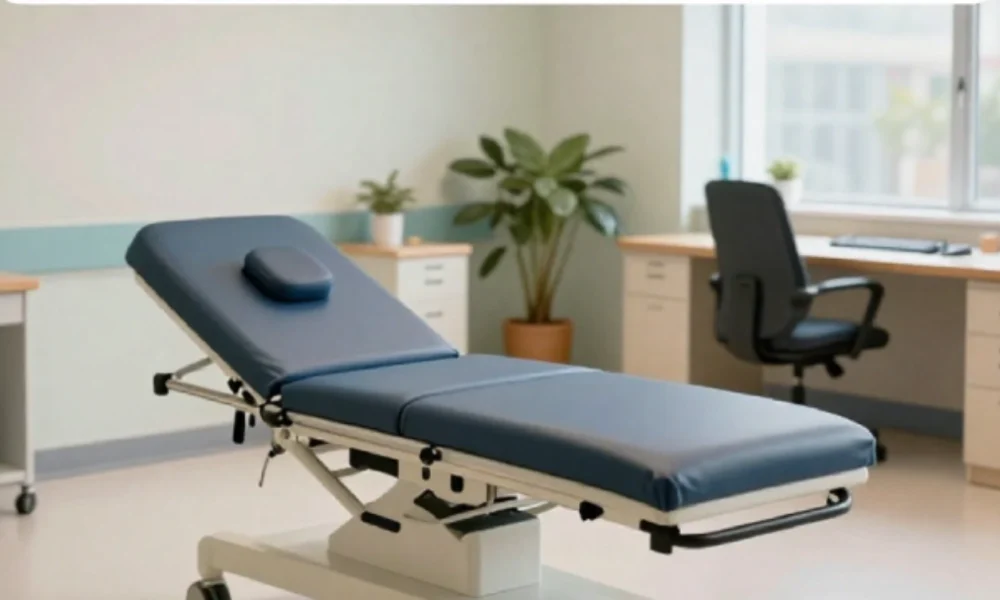
Furniture in healthcare settings does more than fill a room. Every chair in a waiting area, exam table in a consultation room, and workstation at a nurse’s station directly shapes how patients feel and how efficiently staff can work. The global healthcare furniture market was valued at approximately USD 7.9 billion in 2024 and is projected to reach USD 11.73 billion by 2033 IMARC, reflecting the growing recognition that physical environments are central to quality care — not peripheral to it.
Table Of Content
- Patient Comfort Starts With Purposeful Design
- Staff Workflow and Ergonomics
- Infection Control as a Design Standard
- Smart Technology Integration
- Accessibility and Mobility-Inclusive Design
- Supporting Visitors and Family Members
- Biophilic Design and Environmental Wellbeing
- Modular Systems and Long-Term Adaptability
- Sustainability in Healthcare Furniture Procurement
- Key Considerations When Selecting Healthcare Furniture
Patient Comfort Starts With Purposeful Design
Patient experience is shaped by physical environment long before any clinical interaction begins. Seating in waiting areas sets an immediate tone. Chairs with lumbar support, padded armrests, and appropriate seat height reduce discomfort during extended waits, which matters in primary care, oncology, and dialysis settings where patients may sit for hours. In dialysis and oncology departments, recliner chair usage has increased by 39%, and ergonomic seating solutions are present in 58% of rehabilitation centers. Global Growth Insights
In examination and treatment rooms, height-adjustable tables that accommodate varying body types and mobility limitations allow for dignified, strain-free positioning. Furniture designed to accommodate a wide range of body types and mobility levels is increasingly common, with bariatric-friendly seating and chairs with multiple support points catering to diverse patient needs. Unitedpoly
Antimicrobial surfaces on seating, tables, and storage units reduce pathogen transmission — a concern that has remained front-of-mind since the COVID-19 pandemic. Antimicrobial furniture adoption stands at approximately 76% across healthcare settings Global Growth Insights, and the standard now extends well beyond surface coatings to include fabric choices, joint design, and material porosity.
Staff Workflow and Ergonomics
Clinical and administrative staff spend long hours on their feet or at workstations. Furniture that supports proper posture and reduces repetitive strain directly affects staff health, retention, and the quality of care they deliver. Adjustable-height workstations for medical staff are becoming the norm as ergonomic design that reduces physical strain gains traction across healthcare environments. Unitedpoly
Mobile carts and modular storage allow clinical staff to move equipment and supplies without leaving the patient area unnecessarily. Supplies within arm’s reach reduce interruption and help maintain sterile workflows. In April 2023, Getinge AB unveiled a height-adjustable mobile workstation with integrated storage and a mobile power source, designed specifically to improve healthcare worker efficiency. Market
Workstations that are easy to wipe down and resupply reduce time spent on maintenance. Durable materials with low-maintenance finishes extend the useful life of furniture and reduce procurement frequency, contributing to operational cost management over time.
Infection Control as a Design Standard
Infection prevention is no longer an afterthought in furniture selection — it is a primary specification. Seams, joints, and undersurfaces that trap debris create contamination risks. Healthcare furniture now commonly features seamless upholstery, smooth non-porous surfaces, and frames without hollow cavities where bacteria can accumulate.
Approximately 61% of new healthcare furniture products launched in recent years included antimicrobial materials, and smart hospital beds with sensor-based pressure monitoring now account for 27% of total new product introductions. Global Growth Insights Regulatory compliance with standards such as ISO 13485 and FDA guidelines governs material selection and construction quality for furniture used in clinical settings.
Smart Technology Integration
Smart ICU beds equipped with sensors can track vital signs and automatically adjust to improve patient comfort, while connectivity to hospital management systems enables real-time tracking and monitoring by medical staff. Stellar Medico These beds can alert staff if a patient attempts to get up unassisted, reducing fall incidents in high-risk populations.
Features like automated repositioning, fall detection, and connectivity to hospital management systems are becoming standard in modern healthcare furniture, improving both patient safety and caregiver efficiency. Accio Overbed tables with integrated power ports allow patients to charge devices and access call systems without needing staff assistance for minor needs, supporting patient independence and reducing non-clinical interruptions.
Accessibility and Mobility-Inclusive Design
Patients using wheelchairs, walkers, or other mobility aids require clear floor clearance, appropriate transfer heights, and stable surfaces for support. Height-adjustable chairs and tables accommodate patients during transfers without placing physical strain on the patient or the assisting clinician. Grab bars and non-slip surfaces in patient seating areas reduce fall risk, particularly in geriatric and rehabilitation settings.
Ergonomic chairs designed specifically for geriatric care were introduced across 41% of rehabilitation centers, and over 51% of long-term care centers now use mobility-assisted recliners. Global Growth Insights For elderly patients in particular, chairs with high backrests, padded armrests, and reclining capability reduce the effort required to sit and stand — a meaningful consideration for those with arthritis, post-surgical limitations, or reduced muscle strength.
Supporting Visitors and Family Members
Family members who accompany patients or maintain a presence during extended treatment often spend several hours — sometimes days — in healthcare waiting and family lounging areas. Comfortable, well-designed seating with appropriate back support, alongside basic amenities such as charging stations and side tables, reduces visitor fatigue and supports the broader care environment.
A welcoming visitor area communicates institutional care for the whole patient experience, not just the clinical episode. It also reduces crowding at reception and nursing stations, as visitors with adequate comfort and information access are less likely to seek unnecessary staff attention.
Biophilic Design and Environmental Wellbeing
The concept of biophilic design — incorporating natural elements into indoor spaces — has gained significant traction in healthcare furniture trends. Wood-grain finishes, nature-inspired patterns, and furniture with curved lines and earth tones are increasingly common, and such designs have been shown to reduce stress and promote healing. Unitedpoly
Color, texture, and material all contribute to whether a space feels clinical and intimidating or calm and accessible. In behavioral health settings especially, thoughtful furniture selection that avoids institutional aesthetics can reduce patient anxiety and contribute to therapeutic outcomes. This does not require expensive custom pieces — considered choices in standard procurement can achieve the same effect.
Modular Systems and Long-Term Adaptability
Modular furniture systems allow healthcare providers to quickly adjust to varying demands — modular units can be moved, expanded, or restructured based on the needs of the space, making it possible to turn a single room into various treatment areas or recovery zones. Stellar Medico
This matters because healthcare delivery continues to shift. Outpatient volumes are rising, telehealth is changing how consultation spaces are used, and patient demographics are evolving. Modular furniture is gaining traction because of its flexibility and cost-effectiveness, enabling hospitals to use space efficiently as patient volumes and care models change. Straits Research Selecting furniture built to adapt reduces the frequency and cost of full refits when operational needs change.
Sustainability in Healthcare Furniture Procurement
Herman Miller emphasizes sustainability by using up to 58% recycled materials in furniture manufacturing and ensuring new products are 99.9% PVC-free, with designs focused on durability and reconfigurability to reduce environmental impact. Market
Eco-friendly procurement also delivers practical long-term benefits. Eco-friendly furniture is often designed with ergonomic principles in mind, which improves patient comfort while also representing a commitment to sustainable healthcare practices. Healthcare organizations are also recognizing the long-term cost savings associated with eco-friendly furniture, which tends to be more durable and require less maintenance over time. IMARC
Key Considerations When Selecting Healthcare Furniture
When evaluating furniture for any healthcare setting, the following criteria apply across most contexts:
- Infection control compliance: Surfaces should be non-porous, seam-minimized, and compatible with standard clinical disinfectants.
- Ergonomic specifications: Both patient-facing and staff-facing furniture should meet recognized ergonomic standards appropriate to the use case.
- Weight capacity and size range: Bariatric-rated options should be available across seating and bed categories to serve the full patient population.
- Adjustability: Height-adjustable tables, reclinable seating, and repositionable beds improve clinical utility and patient independence.
- Durability and maintenance: Commercial-grade construction reduces replacement cycles; easy-to-clean materials reduce labor time.
- Modularity: Reconfigurable systems extend the usable life of furniture as spatial needs change.
- Regulatory compliance: Products should meet applicable standards such as ISO 13485, BIFMA, or relevant national health authority guidelines.
Furniture selection in healthcare is a procurement decision with direct clinical and operational consequences. Facilities that treat it as a purely logistical matter — focused only on cost per unit — tend to accumulate environments that work against staff efficiency and patient comfort. Those that approach it as part of the care environment invest more deliberately and see measurable returns in satisfaction, safety, and long-term operational cost.