

The Complete Guide to Apparel Patches: Customization, Repair, and Style for 2026
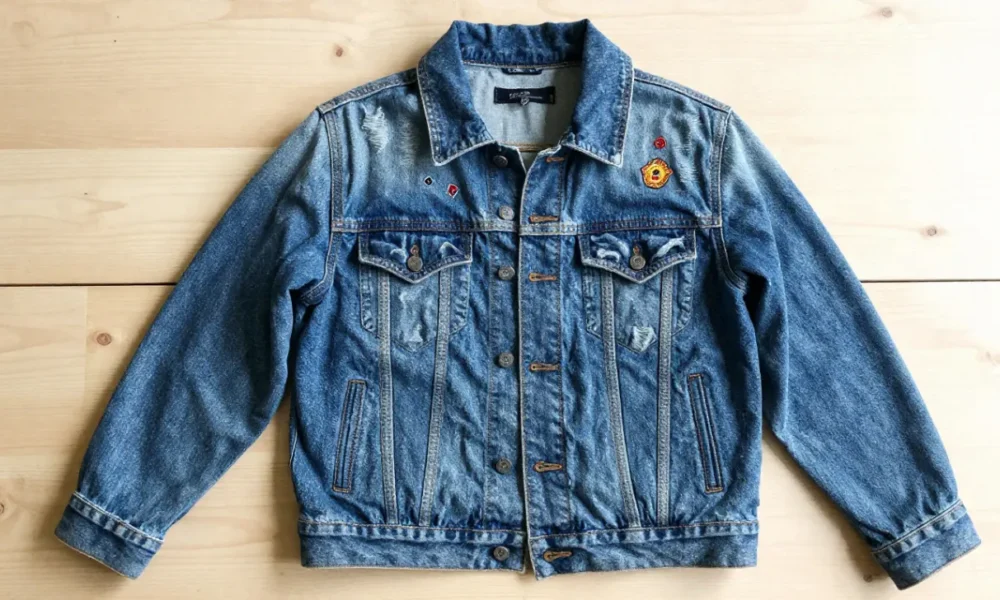
Apparel patches have evolved from simple uniform identifiers to essential fashion accessories that allow personal expression while extending the life of your favorite garments. Whether you want to cover a stain, refresh old jeans, or make a denim jacket uniquely yours, patches offer endless creative possibilities.
Table Of Content
- Understanding Different Types of Apparel Patches
- Embroidered Patches
- Woven Patches
- Printed Patches
- PVC Patches
- Chenille Patches
- How to Attach Apparel Patches
- Iron-On Application
- Sew-On Application
- Fabric Glue
- Velcro Backing
- Creative Applications for Apparel Patches
- Revitalizing Denim Jackets
- Repairing Jeans Sustainably
- Personalizing Bags and Backpacks
- Upcycling T-Shirts
- Customizing Headwear
- DIY Patch Making: Create Your Own Designs
- Materials Needed
- Step-by-Step Process
- Professional Patch Ordering
- When to Order Professionally
- Ordering Process
- Design Tips for Effective Patches
- Simplify Your Artwork
- Consider Placement
- Match Garment and Patch Fabrics
- Care and Maintenance
- Washing Guidelines
- Longevity Tips
- The Sustainability Angle
- Frequently Asked Questions
This guide covers everything you need to know about apparel patches—from types and attachment methods to design inspiration and care instructions.
Understanding Different Types of Apparel Patches
Before starting any patch project, it helps to understand the options available. Each type offers distinct advantages depending on your design and intended use.
Embroidered Patches
Embroidered patches are the classic choice, created by stitching thread onto a fabric backing. They provide a textured, dimensional look that works well for logos, text, and bold designs. These patches are durable and withstand regular wear, making them ideal for jackets, bags, and uniforms.
Woven Patches
Woven patches use finer threads to create more detailed designs with smoother finishes. Because the fabric is woven rather than embroidered on top, these patches excel at displaying small text and intricate details. The global woven patch market reached $1.2 billion in 2024, driven by demand for customization in fashion and sportswear
Printed Patches
For photorealistic images, gradients, or complex artwork, printed patches are the best choice. Using dye-sublimation technology, designs become part of the fabric rather than sitting on top, resulting in patches that won’t fade, crack, or peel. These are particularly popular for band merchandise and artistic expressions .
PVC Patches
Made from flexible rubberized material, PVC patches are weather-resistant and highly durable. They work well for outdoor gear, luggage, and items exposed to harsh conditions .
Chenille Patches
These plush, textured patches are typically associated with varsity letters and sports achievements. Their fuzzy texture adds a tactile element to casual wear.
How to Attach Apparel Patches
Choosing the right attachment method ensures your patch stays secure and your garment remains comfortable.
Iron-On Application
Iron-on patches feature a heat-activated adhesive backing. To apply:
- Preheat your iron to the cotton setting (about 150°C) with steam turned off
- Position the patch on your garment
- Cover with parchment paper or a thin cloth to protect the patch
- Press firmly for 15-30 seconds without moving the iron
- Allow to cool completely before handling
For best results on denim and cotton, this method creates a strong bond. However, washing durability improves when combined with stitching.
Sew-On Application
Sewing provides the most permanent attachment and works on any fabric type. Use a needle and thread that matches either the patch edge or garment color. A simple whip stitch or blanket stitch around the border secures the patch while adding a decorative touch
Fabric Glue
Fabric adhesives offer a no-sew alternative suitable for items that won’t receive heavy washing. Apply glue around the patch edges, press firmly, and allow 24 hours to cure fully .
Velcro Backing
Patches with Velcro backing allow easy removal and reattachment. This option works well for bags, tactical gear, or anyone who likes changing their patch frequently .
Creative Applications for Apparel Patches
Revitalizing Denim Jackets
A denim jacket serves as the perfect canvas for patch collections. Arrange patches that reflect your interests—band logos, travel destinations, or artistic designs—to create a wearable story. For balanced composition, place larger patches on the back and smaller ones on the front pockets and sleeves.
Repairing Jeans Sustainably
Instead of discarding jeans with torn knees or thinning fabric, use patches for visible mending—a technique that embraces repairs as design elements. Colorful patches placed strategically over damaged areas transform flaws into focal points. This approach extends garment life while creating unique pieces
According to Zaneedle, a Korean social venture promoting sustainable fashion, “Visible mending is about extending the life of clothing instead of throwing it away. You use bright threads or fabric patches to make the repair part of the design; it’s mending with style and intention” .
Personalizing Bags and Backpacks
Backpacks accumulate patches that document travels, interests, and experiences. Travel-themed patches, pop culture references, or custom name patches turn functional bags into personal statements. For fabric bags, sew-on patches provide the most durability, while adhesive options work for smoother surfaces .
Upcycling T-Shirts
Old t-shirts can become trendy crop tops or tanks with strategic cutting and patch placement. Cover logos you no longer love, add patches to pockets, or create collage effects on the back. This approach reduces textile waste while refreshing your wardrobe .
Customizing Headwear
Caps and hats gain personality with well-placed patches. Whether you prefer vintage logos, hobby-related designs, or monograms, patches transform plain headwear into conversation starters. Position patches on the front panel for maximum visibility or along the side for subtle flair.
DIY Patch Making: Create Your Own Designs
Making custom patches at home allows complete creative control and costs less than professional orders.
Materials Needed
- Fabric (denim, cotton, or canvas
- Fabric scissors
- Iron-on adhesive (for heat-applied patches)
- Embroidery thread and needle
- Parchment paper
- Optional: fabric paint or markers
Step-by-Step Process
Design and Cut: Create your design on paper first, then traceit onto fabric. Cut carefully, leaving a small border if you plan to sew the patch onto garments later. For multiple patches, cut one at a time to maintain accuracy.
Add Details Embroider your design using basic stitches like satin stitch for filling areas or backstitch for outlines. Fabric paint offers a faster alternative for simple designs. Allow paint to dry completely before proceeding
Apply Babacking.f creating iron-on patches, cut the iron-on adhesive to match your patch shape. Following manufacturer instructions, fuse the adhesive to the patch back using medium heat and firm pressure.
Finish Edges: Prevent fraying by applying thin fabric glue around edges or stitching a border. A zigzag stitch on a sewing machine creates professional-looking edges quickly.
Professional Patch Ordering
For批量 projects, business branding, or high-quality results, professional manufacturers offer advantages over DIY methods.
When to Order Professionally
- You need multiple identical patches
- Your design requires special techniques (woven, PVC, etc.)
- You want precise color matching
- Durability is critical
Ordering Process
Most manufacturers follow a simple workflow: submit your design with size specifications, receive a digital proof for approval, then await production and shipping. Turnaround times vary from one to four weeks, depending on complexity and quantity.
Design Tips for Effective Patches
Simplify Your Artwork
Designs that look great on screen may not translate well to fabric. Limit colors, avoid tiny details, and ensure text is large enough to read when stitched. Simple designs with bold contrasts typically work best
Consider Placement
Measure your garment before finalizing the patch size. A patch too large or small for its intended location disrupts visual balance. Test placement with paper templates before committing.
Match Garment and Patch Fabrics
Sturdy fabrics like denim and canvas support most patch types well. For stretchy knits or delicate materials, choose lighter patches and consider stabilizers to prevent puckering
Care and Maintenance
Proper care keeps patches looking fresh and securely attached.
Washing Guidelines
- Turn garments inside out before washing
- Use cold water on a gentle cycle
- Avoid bleach and harsh detergents
- Air dry or tumble dry on low heat
Longevity Tips
Iron-on patches may weaken over time with repeated washing. Reinforcing edges with stitching extends patch life significantly. For high-use items like workwear or frequently washed garments, sew-on attachment remains the most reliable option.
The Sustainability Angle
Apparel patches align perfectly with gthe rowing interest in sustainable fashion. By repairing rather than replacing damaged clothing, consumers reduce textile waste and keep garments in use longer.
The fashion industry produces over 150 billion garments annually, with 85 percent going to landfills before ever being sold. Initiatives like visible mending workshops and repair kits from brands such as No44 and FabPatch encourage consumers to value and maintain their clothing rather than discarding it.
As Jee Min-joo, founder of Zaneedle, explains: “We’re not just making clothes, we’re making meaning, and when people find meaning in what they wear, they don’t throw it away. If you invest your own creativity and manual effort into an item of clothing, you’re much less likely to throw it away.”
Frequently Asked Questions
Can I wash clothes with iron-on patches? Yes, but turn garments inside out, use cold water, and avoid high-heat drying. For maximum durability, reinforce iron-on patches with stitching.
What fabric works best for DIY patches? Denim, cotton, and canvas provide sturdy bases that hold stitches well and resist fraying
How do I remove a patch without damaging the garment? Heat the patch with an iron to soften the adhesive, then carefully peel. For sew-on patches, use a seam ripper to remove stitches. Some residue may remain, which can be treated with adhesive remover.
Can I put patches on leather or vinyl? Yes, but avoid iron-on methods as heat damages these materials. Use fabric glue or sew-on attachments instead
How long do custom patches last? Professionally made patches can last years with proper care. DIY patches vary based on materials and attachment method b, but typically endure 1-3 years of regular wear
Apparel patches offer an accessible, creative outlet for personal style while supporting sustainable fashion practices. Whether you’re covering a flaw, expressing fandom, or simply refreshing tired garments, patches transform ordinary items into meaningful possessions. Start with a simple project—perhaps a patch on a favorite backpack—and discover how these small additions make big style statements.