

Batana Oil: Benefits, Uses, and What the Evidence Says for Hair and Skin
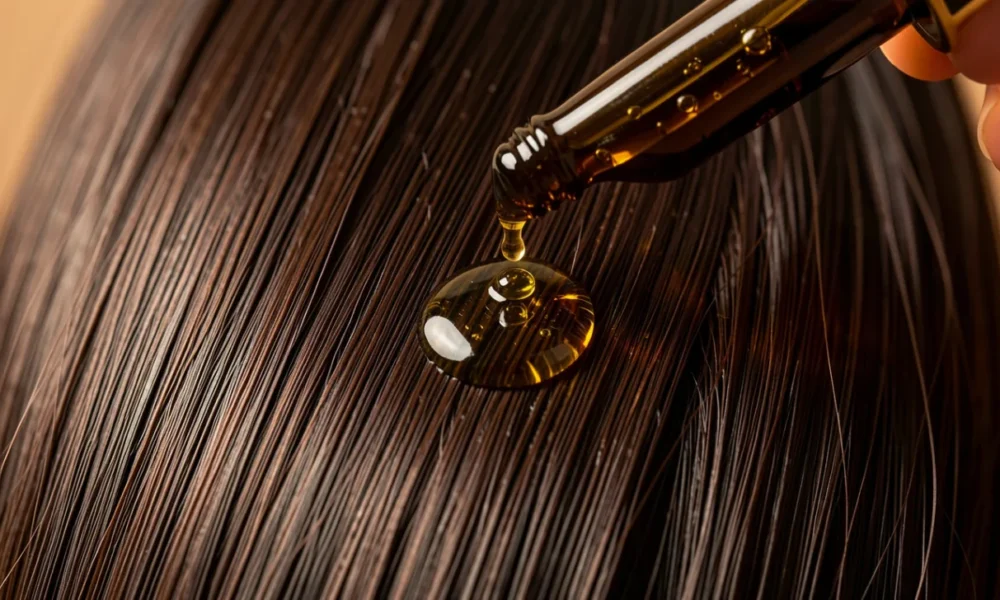
Batana oil has been a well-kept secret of the Miskito people in Central America for generations, but it is now gaining global attention as a natural remedy for hair and skin. Often called the “miracle oil,” it is praised for its ability to repair damaged hair, soothe the scalp, and deeply moisturize skin. This article explores the origins, composition, and potential benefits of batana oil, providing a clear look at what it offers and what users should consider before adding it to their routine.
Table Of Content
- What Is Batana Oil?
- Traditional Use by the Miskito People
- How It’s Made
- Key Components of Batana Oil
- Benefits of Batana Oil for Hair
- Nourishes and Repairs Damaged Hair
- Improves Shine and Manageability
- Soothes the Scalp
- What the Evidence Says About Hair Growth
- Benefits of Batana Oil for Skin
- Deep Hydration and Barrier Repair
- Antioxidant and Anti-Aging Support
- Soothes Irritation and Supports Healing
- How to Use Batana Oil
- For Hair
- For Skin
- How to Choose a Quality Oil
- Potential Downsides and Safety
- Conclusion
What Is Batana Oil?
Batana oil is a natural oil extracted from the fruit of the American oil palm, scientifically known as Elaeis oleifera. This palm tree is native to regions of Central and South America, and the oil is derived from the fruit’s kernel or pulp. It is distinct from the more common African oil palm (Elaeis guineensis), which is the source of standard palm oil .
The oil is typically deep golden to dark brown in color and has a characteristic earthy, nutty, and slightly smoky aroma, often compared to roasted nuts or burnt sugar . This scent is a natural result of the traditional processing methods used to extract it.
Traditional Use by the Miskito People
For centuries, the indigenous Miskito people of Honduras and Nicaragua have been the primary custodians of batana oil’s traditional use. Living in the La Moskitia region, they have long harvested the fruit of the American oil palm to produce this oil by hand . The Miskito are sometimes referred to as the “Tawira” people, which translates to “people of beautiful hair,” a testament to the oil’s revered role in their hair care rituals. Historically, the oil has been used not only for cosmetic purposes—to nourish and strengthen hair—but also for medicinal applications and even cooking.
How It’s Made
The traditional method of making batana oil is a labor-intensive process that has been passed down through generations.It generally involves several key steps:
- Harvesting: The fruits of the Elaeis oleifera palm are collected.
- Cooking: The fruits are boiled to soften them.
- Drying and Roasting: The softened kernels are then sun-dried and lightly roasted. This step is crucial for developing the oil’s signature nutty, smoky scent and helping to release the natural oils.
- Extraction: The roasted kernels are manually ground and pressed to extract the thick, rich oil.
- Filtering: Finally, the oil is filtered to remove any plant debris before being stored.
This traditional, chemical-free process helps preserve the oil’s nutrient-rich profile. Modern extraction methods may also be used, but cold-pressed, unrefined oil is generally considered the highest quality as it retains the most beneficial compounds .
Key Components of Batana Oil
The potential benefits of batana oil for hair and skin are largely attributed to its rich and complex composition. It contains a potent mix of nutrients, including:
- Fatty Acids: It is rich in moisturizing fatty acids, primarily oleic acid (omega-9) and linoleic acid (omega-6) .These help to nourish, hydrate, and maintain the elasticity and barrier function of hair and skin .
- Vitamin E (Tocopherols and Tocotrienols): Batana oil contains a powerful form of vitamin E, including tocotrienols, which are potent antioxidants. These compounds help protect hair and skin cells from free radical damage and oxidative stress caused by environmental factors like pollution and UV exposure .
- Crotenoids (Provitamin A): These natural compounds give the oil its golden-brown hue. As precursors to vitamin A, they support skin repair, promote cell turnover, and may help even out skin tone .
- Phytosterols: These plant-derived compounds have natural anti-inflammatory properties and can help support skin barrier health .
This combination of nutrients makes batana oil a multi-tasking ingredient for those seeking natural beauty solutions.
Benefits of Batana Oil for Hair
Batana oil is most famous for its potential to transform hair, and user experiences often highlight several key benefits.
Nourishes and Repairs Damaged Hair
The high concentration of fatty acids allows batana oil to penetrate the hair shaft, providing deep moisture and helping to repair damage from the inside out . Thiscan be particularly beneficial for hair that is dry, brittle, or has been compromised by heat styling or chemical treatments. It helps to strengthen the hair, reducing breakage and split ends .
Improves Shine and Manageability
By smoothing the hair cuticle and balancing moisture levels, batana oil can dramatically reduce frizz and boost natural shine without leaving hair feeling greasy or weighed down. It improves the overall texture and manageability of hair, making it softer and easier to style
Soothes the Scalp
The anti-inflammatory properties of batana oil, primarily from its phytosterols, can help calm an irritated, dry, or itchy scalp . Its moisturizing effect helps combat flakiness and dandruff, creating a healthier environment that is conducive to hair growth.
What the Evidence Says About Hair Growth
While batana oil is frequently promoted as a hair growth stimulant, it is important to distinguish between anecdotal reports and scientific proof.
- Anecdotal Claims: Many users, as well as brands, claim that consistent use of batana oil can help thicken hair, revive thinning areas, and promote new growth. This is why it is often called “liquid gold” for hair.ir
- Scientific Perspective: Currently, there are no published clinical studies that have directly tested the effects of batana oil on human hair growth. The positive effects people experience may be due to its ability to improve overall scalp health and strengthen existing hair, which can reduce breakage and make hair appear fuller and thicker. However, claims that it can regrow hair or reverse pattern baldness lack robust scientific backing at this time.
Benefits of Batana Oil for Skin
Beyond hair care, batana oil offers several benefits for the skin, functioning as a rich, natural emollient.
Deep Hydration and Barrier Repair
The fatty acid profile of batana oil makes it an excellent moisturizer for dry skin. kin It helps to lock in moisture and restore the skin’s natural lipid barrier, which is essential for protecting against environmental stressors and preventing transepidermal water loss.
Antioxidant and Anti-Aging Support
The high levels of vitamin E (tocotrienols) and carotenoids provide strong antioxidant protection. These compounds help neutralize free radicals that can lead to premature aging, such as fine lines, wrinkles, and loss of elasticiSupportingting collagen production and protecting skin cells, it may help maintain a more youthful complexion.
Soothes Irritation and Supports Healing
The anti-inflammatory nature of the phytosterols in batana oil can help calm irritated, red, or inflamed skin conditions, such as eczema or psoriasis. It can be used to soothe minor wounds, burns, or very dry, cracked skin, promoting the healing process.
How to Use Batana Oil
Batana oil is versatile and can be incorporated into your routine in several ways. Because pure batana oil is semi-solid at room temperature (like butter), it will melt upon contact with warm skin.
For Hair
- As a Pre-Shampoo Treatment (Hair Mask): Warm a small amount of oil in your hands and massage it thoroughly into your scalp and through the lengths of your hair, from root to tip. For a deep conditioning treatment, leave it on for at least 30 minutes, or even overnight. Shampoo and condition as usual afterward to remove the oil
- As a Scalp Treatment: To target scalp health, warm a few drops and massage itthemirectly onto your scalp with your fingertips for 5-10 minutes. This stimulates circulation and allows the oil to nourish the skin. This can be done 2-3 times per week.
- As a Leave-in Sealant: After washing and conditioning, apply a tiny, pea-sized amount to damp hair, focusing on the mid-lengths and ends. This helps to seal in moisture, tame frizz, and add shine.
For Skin
- As a Moisturizer: After cleansing, warm 2-3 drops of oil between your palms and gently press it into slightly damp skin on your face or body. It absorbs quickly and provides long-lasting hydration without a greasy feel .
- As a Spot Treatment: Apply a small amount to particularly dry areas, such as elbows, knees, or cuticles, to provide intense, targeted relief.
How to Choose a Quality Oil
With its growing popularity, it is essential to select a high-quality product to ensure you are getting the full benefits.
- Look for Pure, Unrefined Oil: The best batana oil is 100% pure, raw, and unrefined. This ensures it has not been processed with heat or chemicals that can strip away its beneficial nutrients. Avoid products with a long list of additives, fragrances, or preservatives.s
- Seek Ethically Sourced Options: Because of its cultural significance to the Miskito people, choosing oil that is ethically and sustainably sourced from Honduras or Central America supports traditional communities and ensures authenticity.
- Consider the Packaging: High-quality oils are often sold in dark-colored glass bottles or jars. This protects the oil from light exposure, which can cause it to degrade and lose its potency over time.
- Check the Scent and Color: Authentic, pure batana oil should have a deep golden to dark brown color and a distinct earthy, nutty, smoky aroma. A mild scent that fades after application is normal.
Potential Downsides and Safety
Batana oil is generally considered safe for topical use, but there are a few precautions to keep in mind.
- Allergic Reactions: As with any natural product, there is a possibility of an allergic reaction. Symptoms could include itching, redness, swelling, or skin irritation.
- Always perform a patch test before using it on a larger area. Apply a small amount to your inner arm and wait 24 hours to see if any reaction occurs .
- Skin Type Considerations: While it is excellent for dry skin, those with oily or acne-prone skin should use it sparingly at first, as its rich, occlusive nature could potentially clog pores for some individuals .
- Ingestion Caution: Batana oil is traditionally used in cooking, but if you are considering taking it orally for health benefits, proceed with caution. There is limited research on its systemic effects, and it is calorie-dense. Consult with a healthcare professional before adding it to your diet, especially if you have underlying health conditions like liver or heart concerns.
- Discontinue Use if Irritated: If you experience any discomfort, such as severe irritation or a burning sensation, stop using the product immediately.
Conclusion
Batana oil is a remarkable natural product with a rich cultural heritage and a well-deserved reputation for nourishing and revitalizing hair and skin. Its unique composition of fatty acids, antioxidants, and vitamins makes it a powerful moisturizer and protector. While many of its most celebrated benefits, particularly for hair growth, are supported by generations of traditional use and modern anecdotal evidence, it is important to note that formal scientific research is still emerging. For those seeking a natural, multi-purpose beauty oil, batana oil is a compelling and worthwhile option, provided it is chosen carefully and used thoughtfully.