

Bathroom Remodeling Ideas: Smart Ideas to Improve Function, Style, and Home Value
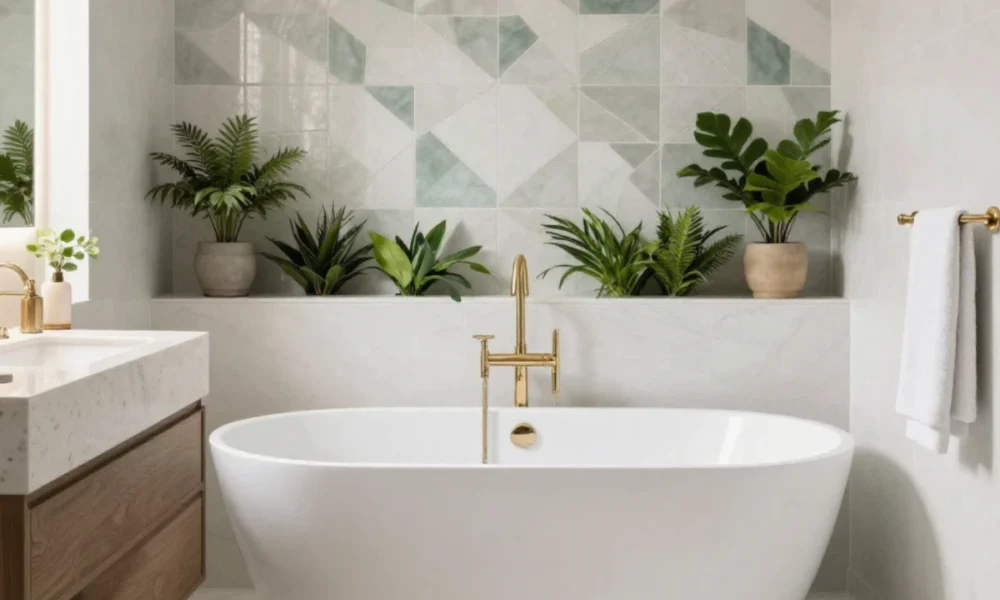
Bathroom remodeling Ideas ranks among the most valuable home improvement projects, offering both immediate quality-of-life improvements and long-term financial returns. Whether you’re addressing outdated fixtures, poor layout, or simply want to create a more comfortable space, a well-planned bathroom renovation can transform one of your home’s most-used rooms into a functional and attractive retreat.
Table Of Content
This guide explores practical remodeling strategies, from space-saving solutions to material selection, helping you make informed decisions that align with your budget and goals.
Understanding the Benefits of Bathroom Remodeling
Renovating your bathroom delivers multiple advantages beyond visual appeal.
Improved Daily Function
Older bathrooms often feature inefficient layouts, inadequate storage, and worn fixtures that make daily routines frustrating. Remodeling allows you to reconfigure the space to better suit how you actually use it, whether that means adding counter space, improving lighting, or upgrading shower functionality.
Increased Home Value
Bathroom renovations typically return 60-70% of their cost at resale, making them among the better investments in residential remodeling. Buyers consistently prioritize updated bathrooms, particularly when features include modern fixtures, quality materials, and good storage solutions.
Enhanced Comfort and Efficiency
Modern plumbing fixtures use significantly less water than older models, reducing utility bills while maintaining performance. Better ventilation systems prevent moisture problems, and improved lighting makes the space safer and more pleasant to use.
Smart Space-Saving Solutions
Most bathrooms work within tight square footage constraints. These strategies help maximize usable space:
Wall-Mounted Fixtures
Floating vanities and wall-hung toilets eliminate bulky bases, creating more floor area and making cleaning easier. The exposed floor space makes small bathrooms feel more open.
Recessed Storage
Built-in niches in shower walls provide storage without protruding into the room. Medicine cabinets set into wall cavities offer similar benefits, keeping essentials accessible but out of sight.
Glass Shower Enclosures
Clear glass creates visual continuity throughout the room, making the bathroom appear larger than opaque shower curtains or frosted enclosures.
Corner and Vertical Solutions
Corner vanities, tall narrow cabinets, and over-toilet storage systems utilize often-wasted space. Vertical storage keeps items organized without consuming valuable floor area.
Alternative Door Options
Pocket doors slide into the wall, and barn doors slide along the wall surface, both eliminating the floor space needed for traditional swinging doors.
Material Selection Guidelines
Choosing appropriate materials balances appearance, durability, and maintenance requirements.
Flooring Options
Porcelain or ceramic tile remains the most common choice, offering water resistance, durability, and extensive design options. Luxury vinyl plank provides a budget-friendly alternative with good water resistance and easier installation. Natural stone tiles like marble or slate offer high-end aesthetics but require regular sealing and careful maintenance.
Countertop Materials
Quartz countertops resist staining and scratching while requiring minimal maintenance. Granite offers natural beauty and durability but needs periodic sealing. Solid surface materials allow seamless integration of sinks and provide good durability at moderate cost.
Wall Surfaces
Tile remains the standard for wet areas, with large-format tiles reducing grout lines and maintenance. Waterproof wall panels offer quicker installation with minimal seams. Traditional drywall works in dry areas when properly primed and painted with moisture-resistant products.
Fixtures and Hardware
Chrome and brushed nickel finishes resist corrosion and match various styles. Matte black and brass finishes create distinctive looks but may show water spots more readily. Consider finish durability and how well it hides fingerprints and water marks.
High-Impact Upgrades
Certain improvements deliver particularly strong results for comfort and resale value.
Shower Enhancements
Walk-in showers with curbless entry improve accessibility and create a spa-like feel. Multiple shower heads, body sprays, or rain heads add comfort. Built-in seating and grab bars increase safety and convenience.
Ventilation Improvements
Properly sized exhaust fans prevent moisture damage, mold growth, and odors. Look for fans rated for your bathroom’s square footage with quiet operation (1.5 sones or less). Timer or humidity-sensing switches ensure adequate ventilation without wasting energy.
Lighting Upgrades
Layer different light types for flexibility: overhead lighting for general illumination, task lighting near mirrors for grooming, and accent lighting to highlight architectural features. Dimmer switches allow mood adjustment.
Storage Additions
Vanities with drawer organizers, pull-out shelves, and divided compartments keep items accessible and organized. Medicine cabinets with adjustable shelves accommodate various item sizes. Linen closets or towers provide storage for towels and supplies.
Planning Your Remodel
Successful bathroom renovations require careful preparation.
Establish a Realistic Budget
Complete bathroom remodels typically cost $10,000-$25,000 for average-sized bathrooms, with luxury renovations exceeding $50,000. Allocate 10-20% of your budget as contingency for unexpected issues like hidden water damage or outdated wiring.
Small updates (fixtures, paint, hardware) may cost $2,000-$5,000. Mid-range remodels including new tile, vanity, and toilet typically run $8,000-$15,000.
Hire Qualified Professionals
Licensed contractors carry insurance and pull necessary permits. Check references, view completed projects, and verify licenses through your state’s contractor licensing board. Get detailed written estimates from multiple contractors before deciding.
For complex projects, consider hiring a bathroom designer to create functional layouts and specify materials.
Understand Permit Requirements
Most jurisdictions require permits for plumbing changes, electrical work, and structural modifications. Your contractor should handle permit applications, but confirm this responsibility upfront. Unpermitted work can create problems during home sales and may not meet safety codes.
Plan for Disruptions
Bathroom renovations typically take 2-4 weeks depending on scope. You’ll need alternative arrangements for bathing and toileting during construction. Discuss timeline expectations and daily work hours with your contractor before starting.
Select Durable, Appropriate Materials
Bathrooms experience high moisture and frequent use. Choose materials rated for wet environments and resistant to mold, mildew, and water damage. Consider maintenance requirements—some materials need regular sealing or special cleaning products.
Current Design Approaches
Contemporary bathroom design emphasizes clean lines, natural materials, and practical functionality.
Neutral Color Palettes
White, gray, beige, and soft earth tones create timeless backdrops that appeal to broad audiences. These colors make spaces feel larger and brighter while allowing flexibility in accessories and accents.
Natural Materials
Wood-look tiles, stone countertops, and organic textures bring warmth and visual interest. These materials connect indoor spaces with nature while providing the durability bathrooms require.
Streamlined Storage
Concealed storage maintains clean visual lines. Handleless cabinets, push-to-open drawers, and integrated storage solutions keep surfaces uncluttered.
Water-Efficient Fixtures
Low-flow toilets (1.28 gallons per flush or less), aerated faucets, and efficient showerheads reduce water consumption without sacrificing performance. Many utilities offer rebates for installing qualifying fixtures.
Accessible Features
Curbless showers, comfort-height toilets, and adequate maneuvering space accommodate users of all abilities. These universal design elements don’t compromise aesthetics while improving long-term functionality.
Common Remodeling Mistakes to Avoid
Learning from typical errors helps ensure better results.
Inadequate Ventilation
Undersized or poorly positioned exhaust fans lead to moisture problems, peeling paint, and mold growth. Calculate required fan capacity based on room size and ensure proper venting to the exterior.
Poor Layout Choices
Failing to consider traffic flow, door swings, and fixture placement creates awkward, difficult-to-use spaces. Work with professionals to optimize layouts within your existing footprint or when expanding the room.
Ignoring Storage Needs
Insufficient storage forces items onto counters, creating clutter. Plan for adequate cabinet space, shelving, and organization systems based on what you’ll actually store.
Mismatched Finishes
Too many different metals, colors, or styles create visual chaos. Limit your palette to 2-3 complementary finishes for cohesive design.
Cutting Quality on Hidden Elements
Cheap plumbing, inadequate waterproofing, or substandard subflooring cause expensive problems later. Invest appropriately in structural and mechanical systems even when they’re not visible.
Maximizing Your Investment
Strategic choices help you get the most value from your remodeling budget.
Focus improvements in areas most visible and frequently used. A stunning vanity and mirror make stronger impressions than expensive floor tile hidden under rugs.
Retain the existing plumbing layout when possible. Moving toilets, sinks, or showers significantly increases costs due to additional plumbing work and potential floor reconstruction.
Balance trendy elements with timeless choices. Classic white subway tile or neutral paint colors have broader appeal than bold patterns that may quickly feel dated.
Do some work yourself if you have appropriate skills. Painting, demolition, or installing simple fixtures can reduce labor costs, but leave plumbing, electrical, and structural work to licensed professionals.
Conclusion
Bathroom remodeling offers meaningful improvements to your daily life while representing a sound investment in your property. Success requires balancing aesthetic preferences with practical considerations like budget, timeline, and material durability.
Start by clearly defining your goals and constraints. Work with qualified professionals who can guide material selection, ensure code compliance, and execute quality workmanship. Make informed choices that address your specific needs rather than following trends that don’t fit your lifestyle or budget.
A thoughtfully planned and well-executed bathroom remodel transforms a purely functional space into a comfortable, efficient room that serves you well for years to come.