

Capsule Wardrobe Guide: Build a Versatile Minimalist Closet That Works for You
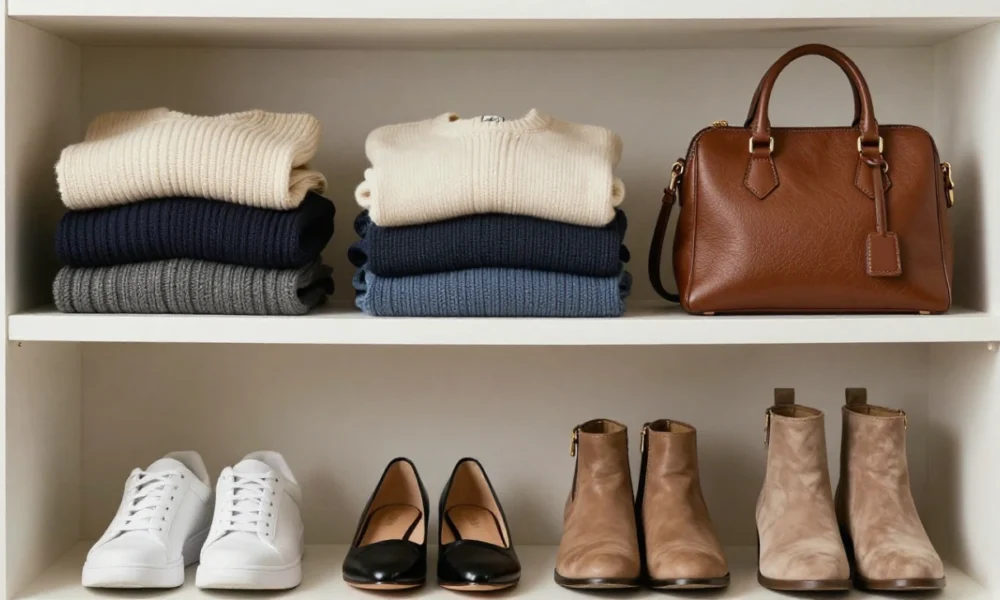
Opening a closet full of clothes and feeling you have nothing to wear is a common frustration. Research from 2024 suggests that approximately 60% of women report difficulty getting dressed despite owning full closets, with many wearing only 20-30% of their clothing regularly.
Table Of Content
- What Is a Capsule Wardrobe?
- Core Components of a Capsule Wardrobe
- Foundation Pieces
- Supporting Pieces
- The 30-40 Item Breakdown
- How to Build Your Capsule Wardrobe
- Step 1: Assess Your Current Situation
- Step 2: Define Your Personal Parameters
- Step 3: Edit Your Existing Collection
- Step 4: Identify Gaps
- Step 5: Fill Intentionally
- Seasonal Rotation and Maintenance
- Common Capsule Wardrobe Questions
- How many items should be in a capsule wardrobe?
- What items are typically excluded from the count?
- Can men use capsule wardrobes?
- How do I handle special occasions?
- What about children’s clothing needs?
- Benefits and Limitations
- Advantages
- Challenges
- Summary
A capsule wardrobe addresses this disconnect directly. This approach to personal style focuses on a limited collection of intentionally chosen, versatile pieces that coordinate easily. The result is reduced decision fatigue, simpler mornings, and a clearer personal style.
This guide explains what constitutes a capsule wardrobe, which pieces belong in one, and how to build your own version that fits your lifestyle.
What Is a Capsule Wardrobe?
A capsule wardrobe is a curated collection of essential clothing items designed to be mixed and matched. The concept originated in the 1970s with London boutique owner Susie Faux and gained mainstream recognition through the 1985 book “Wardrobe” by Donna Karan, who introduced her influential “seven easy pieces” collection.
Modern capsule wardrobes typically follow these principles:
- Limited size: Usually 30-40 items, including clothing, shoes, and outerwear (excluding underwear, loungewear, and workout gear)
- Seasonal rotation: Items change with seasons, typically every 3 months
- Cohesive color palette: Most pieces work together visually
- Quality focus: Emphasis on durability and fit rather than quantity
- Personal relevance: Items reflect actual lifestyle needs, not aspirational dressing
The capsule approach differs from traditional shopping habits by prioritizing intentional acquisition over reactive purchasing. Each piece serves a purpose and earns its place through demonstrated versatility.
Core Components of a Capsule Wardrobe
Building a capsule wardrobe begins with understanding which categories of clothing deserve space. The following breakdown represents the standard framework used ina minimalist fashion.
Foundation Pieces
These items form the backbone of most outfits and typically appear in neutral colors that coordinate easily.
| Category | Recommended Pieces | Purpose |
|---|---|---|
| Tops | White button-down, neutral crewneck sweater, striped long-sleeve, quality t-shirt (2) | Base layers for most outfits |
| Bottoms | Dark wash jeans, black trousers, neutral skirt (knee-length) | Lower body foundation |
| Dresses | Little black dress, casual day dress | One-piece outfit solutions |
| Outerwear | Structured blazer, classic trench coat, denim jacket | Layering and polish |
| Shoes | White sneakers, black flats, neutral heels, ankle boots | Footwear coverage |
Supporting Pieces
These items add variety and seasonal appropriateness without requiring extensive space.
- Printed blouse or top
- Colored sweater or cardigan
- Alternative jean style (light wash, white, or straight leg)
- Seasonal-specific items (linen pieces for summer, wool for winter)
The 30-40 Item Breakdown
A typical full capsule wardrobe distributes items as follows:
- Tops: 8-10 pieces
- Bottoms: 4-6 pieces
- Dresses: 2-4 pieces
- Outerwear: 2-3 pieces
- Shoes: 4-6 pairs
- Accessories: Optional, typically not counted in the main total
How to Build Your Capsule Wardrobe
Creating a capsule wardrobe requires assessment, editing, and intentional filling of gaps. The process typically takes several weeks and should not be rushed.
Step 1: Assess Your Current Situation
Before removing anything from your closet, spend two weeks noting:
- Which items do you actually wear
- Outfits you reach for repeatedly
- Clothing that remains unworn
- Situations where you feel underdressed or overdressed
- Colors that consistently appear in your favorite combinations
This observation period reveals your actual preferences rather than your aspirational style.
Step 2: Define Your Personal Parameters
Capsule wardrobes work best when they reflect real life. Consider:
Lifestyle requirements: What percentage of your time is spent working, socializing, exercising, or relaxing? Your wardrobe should roughly match these proportions.
Color palette: Identify 3-4 neutral colors that work together (navy, cream, gray, black) plus 1-2 accent colors that appear across multiple items.
Silhouette preferences: Note which cuts and fits consistently feel comfortable and flattering.
Step 3: Edit Your Existing Collection
Remove items that fall into these categories:
- Does not fit currently (and cannot be altered)
- Damaged beyond reasonable repair
- Has not been worn in 12 months
- Does not coordinate with at least three other items
- No longer reflects your style or needs
Items removed can be donated, sold, or temporarily stored for seasonal rotation.
Step 4: Identify Gaps
After editing, compare your remaining items against the core components list. Common gaps include:
- Missing foundational pieces (quality white shirt, well-fitting jeans)
- Imbalance in categories (too many tops, not enough bottoms)
- Shoes that limit outfit options
- Lack of transitional pieces for changing seasons
Step 5: Fill Intentionally
When adding new pieces, follow these guidelines:
- Purchase the best quality your budget allows for frequently worn items
- Prioritize natural fibers (cotton, wool, linen) for durability
- Try items with multiple existing pieces before purchasing
- Consider tailoring to achieve a perfect fit
- Wait 24-48 hours before purchasing to confirm necessity
Seasonal Rotation and Maintenance
Capsule wardrobes typically change with seasons to accommodate weather needs while maintaining a manageable total item count.
Spring (March-May): Lighter layers, transitional jackets, brighter colors. Summer (June-August): Breathable fabrics, shorts, sandals, sun protection. Fall (September-November): Layering pieces, boots, warmer textures.s Winter (December-February): Heavy outerwear, knitwear, cold-weather accessories
During seasonal transitions:
- Pack away items not suitable for the upcoming weather
- Assess stored items for condition and continued relevance
- Identify any gaps for the new season
- Bring out appropriate seasonal pieces
Stored items should be cleaned properly before storage and kept in breathable containers away from moisture and direct light.
Common Capsule Wardrobe Questions
How many items should be in a capsule wardrobe?
The standard range is 30-40 total pieces, including clothing, shoes, and outerwear. The original Project 333 challenge popularized 33 items for 3 months. However, individual needs vary based on climate, lifestyle, and personal preference.
What items are typically excluded from the count?
Most capsule wardrobe systems exclude:
- Undergarments and socks
- Sleepwear
- Athletic wear (if used exclusively for exercise)
- Formal occasion wear (wedding attire, etc.)
- Accessories (jewelry, scarves, bags)
Can men use capsule wardrobes?
Yes. The principles apply equally to any gender. Men’s capsule wardrobes typically focus on quality button-down shirts, well-fitting trousers, versatile jackets, and limited footwear.
How do I handle special occasions?
Maintain a separate small collection for events that require specific attire (weddings, formal dinners, costume parties). These items exist outside the main capsule and are accessed only when needed.
What about children’s clothing needs?
Children’s rapid growth makes investment pieces challenging. The capsule approach still applies through limiting color palettes, choosing mix-and-match separates, and prioritizing durability.
Benefits and Limitations
Advantages
- Reduced decision fatigue: Fewer choices mean faster morning decisions
- Lower clothing costs: Quality pieces last longer than fast fashion alternatives
- Clearer personal style: Limited options reveal actual preferences
- Simplified travel: Packing becomes straightforward with coordinated pieces
- Environmental impact: Reduced consumption means less textile waste
Challenges
- Initial effort: Building a capsule requires time and thoughtful editing
- Upfront cost: Quality pieces requirea higher initial investment
- Limited variety: Some individuals miss having extensive options
- Seasonal storage needs: Off-season items require space
Summary
A capsule wardrobe offers a structured approach to personal style that prioritizes intentionality, quality, and versatility. By limiting total items to 30-40 pieces rotated seasonally, you reduce daily decision fatigue while maintaining a cohesive, functional closet.
The process begins with an honest assessment of your actual lifestyle and preferences, followed by systematic editing of existing items. New purchases should fill identified gaps and meet quality standards that justify their place in your limited collection.
Success with a capsule wardrobe depends less on strict adherence to numbers and more on consistent alignment between your clothing and your actual life. The goal is not deprivation but clarity—owning only items that serve you well and reflect who you are.