

CBN vs CBG: Key Differences in Effects, Benefits, and Origin
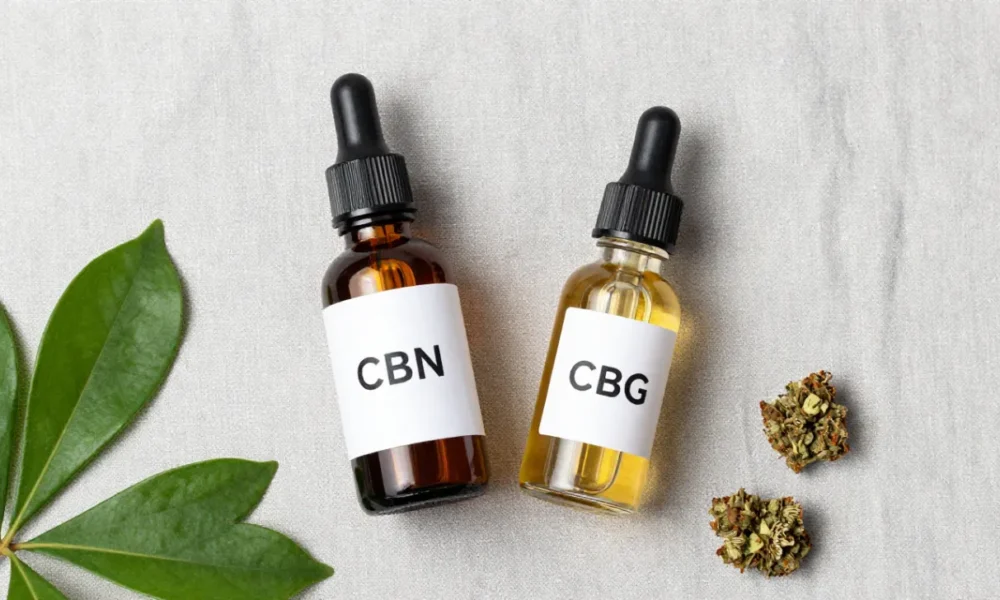
Cannabinol (CBN) and cannabigerol (CBG) are two of the many cannabinoids found in the cannabis plant. While often grouped as “minor cannabinoids,” they are distinct compounds with different origins, effects on the body, and potential therapeutic applications. As interest in cannabinoids beyond THC and CBD grows, understanding the unique profiles of CBN and CBG becomes essential for anyone exploring cannabis for health and wellness.
Table Of Content
- What Are CBN and CBG?
- What is Cannabinol (CBN)?
- What is Cannabigerol (CBG)?
- Ky Differences Between CBN and CBG
- 1. Chemical Origin and Formation
- 2. Interaction with the Endocannabinoid System (ECS)
- 3. Effects on the Body and Mind
- Potentia Therapeutic Applications
- Conclusion: Choosing Between CBN and CBG
This guide provides a clear comparison of CBN vs CBG, detailing their chemical origins, how they interact with the body’s endocannabinoid system, their known effects, and the current state of research into their benefits.
What Are CBN and CBG?
To understand their differences, it’s helpful to first know what each compound is and where it comes from.
What is Cannabinol (CBN)?
Cannabinol, or CBN, is a minor cannabinoid that forms as the cannabis plant ages. It is not directly produced by the plant in significant amounts. Instead, CBN is the result of a natural chemical process where THC (tetrahydrocannabinol), the primary psychoactive compound in cannabis, breaks down due to exposure to oxygen and heat over time—a process known as oxidation. This is why aged or poorly stored cannabis is more likely to contain higher levels of CBN.
What is Cannabigerol (CBG)?
Cannabigerol, or CBG, is often referred to as the “mother of all cannabinoids” or the “stem cell” of cannabinoids . This is because its acidic form, cannabigerolic acid (CBGA), is the chemical precursor from which all other major cannabinoids are synthesized. Early in the plant’s growth cycle, enzymes convert CBGA into the acidic forms of THC (THCA), CBD (CBDA), and cannabichromene (CBCA) . As the plant matures, most of the CBGA is converted, leaving only about 1% or less as CBG in the final, mature plant .
Ky Differences Between CBN and CBG
While both are considered minor cannabinoids, their differences are significant. The table below summarizes the primary distinctions.
| Feature | CBN (Cannabinol) | CBG (Cannabigerol) |
|---|---|---|
| Origin in the Plant | Formed from the degradation/oxidation of THC over time . | The precursor (“mother”) to other cannabinoids; found in higher concentrations in young plants. |
| Psychoactivity | Mildly intoxicating, especially in larger doses; binds to the CB1 receptor. | Non-intoxicating; does not produce a “high”. |
| Primary Known Effect | Widely recognized for its potential as a powerful sedative, often associated with sleep. | Early research suggests potential for reducing anxiety, stress, and inflammation. |
| Interaction with ECS | Binds to the CB1 receptor in the brain, though with lower affinity than THC. | Interacts with CB1 and CB2 receptors, but also has a high affinity for other receptors like α2-adrenoceptor and 5-HT1A. |
1. Chemical Origin and Formation
The most fundamental difference between CBN and CBG lies in how they come to be. As noted, CBN is a degradation product, essentially “old THC.” Its concentration increases as cannabis flowers age and are exposed to air. In contrast, CBG is a building block. It is most abundant in the early stages of the plant’s life and decreases as the plant matures and converts it into other cannabinoids.
2. Interaction with the Endocannabinoid System (ECS)
The ECS is a complex cell-signaling system in the human body that helps regulate functions like mood, pain, appetite, and sleep. CBN and CBG interact with this system in different ways.
- CBN’s Interaction: CBN is known to bind directly to the CB1 receptor, the same receptor THC activates to produce its psychoactive effects . However, CBN binds with much lower affinity, which is why it is only mildly intoxicating, particularly at higher doses. His binding is what may contribute to its sedative effects.
- CBG’s Interaction: CBG’s mechanism is more complex. It is thought to be a partial agonist of both CB1 and CB2 receptors, but its therapeutic potential may also stem from its interaction with other receptors. Research indicates CBG can influence:
- α2-adrenoceptors: CBG acts as a potent agonist at this receptor, which plays a role in regulating blood pressure and neurotransmitter release .
- 5HT1A receptors: CBG acts as an antagonist at this serotonin receptor, a mechanism that may contribute to its potential anxiolytic (anti-anxiety) effects .
- TR Channels: CBG interacts with various TRP channels, which are involved in pain perception, inflammation, and neuroprotection .
3. Effects on the Body and Mind
The distinct receptor interactions lead to different perceived effects.
- CBN Effects: The most commonly cited effect of CBN is sedation. It is widely sought after as a sleep aid . Thiscalming effect may be beneficial for those with insomnia or sleep disturbances. Some early research also suggests it may have anti-inflammatory and pain-relieving properties .
- CBG Effects: Unlike CBN, CBG is not associated with drowsiness. A 2024 double-blind, placebo-controlled trial found that a 20 mg dose of CBG significantly reduced anxiety and stress in healthy adults compared to a placebo . Interestingly, the same study found that CBG enhanced verbal memory . Other clinical research points to its potential in addressing pain, inflammation, and even neurological conditions .
Potentia Therapeutic Applications
It is crucial to note that research into both cannabinoids is still in its early stages. Most evidence for CBN is preliminary or based on user reports, while CBG is beginning to accumulate more clinical data. The table below outlines potential uses based on current research.
| Potential Application | CBN (Cannabinol) | CBG (Cannabigerol) |
|---|---|---|
| Sleep/Insomnia | Primary candidate. Often used for its sedative effects . | Not a primary use. |
| Anxiety/Stress | Not a primary use. | Strong candidate. Supported by recent human trial data. |
| Inflammation/Pain | Early research suggests potential. | Promising preclinical evidence for inflammatory conditions like IBD. |
| Neuroprotection | Very early-stage research (e.g., animal studies on ALS). | Preclinical research suggests potential for conditions like Huntington’s disease. |
Conclusion: Choosing Between CBN and CBG
The choice between CBN and CBG ultimately depends on your desired outcome. If your primary goal is to support sleep and you are looking for a mildly sedating compound, CBN is the cannabinoid most associated with those effects. As it is derived from aged THC, products may contain trace amounts of THC, so it’s important to check labels.
On the other hand, if you are seeking relief from daily stress or anxiety without any drowsiness or intoxication, CBG emerges as a compelling option, supported by recent human research. Its non-intoxicating nature and diverse therapeutic potential make it a focus of ongoing scientific interest.
As with any supplement or wellness product, it is essential to consult with a healthcare professional before incorporating CBN or CBG into your routine, especially if you are taking other medications. Always purchase cannabinoid products from reputable sources that provide third-party lab testing to verify purity and potency.