

Chiang Mai Travel Guide: Temples, Markets, and Northern Thai Culture
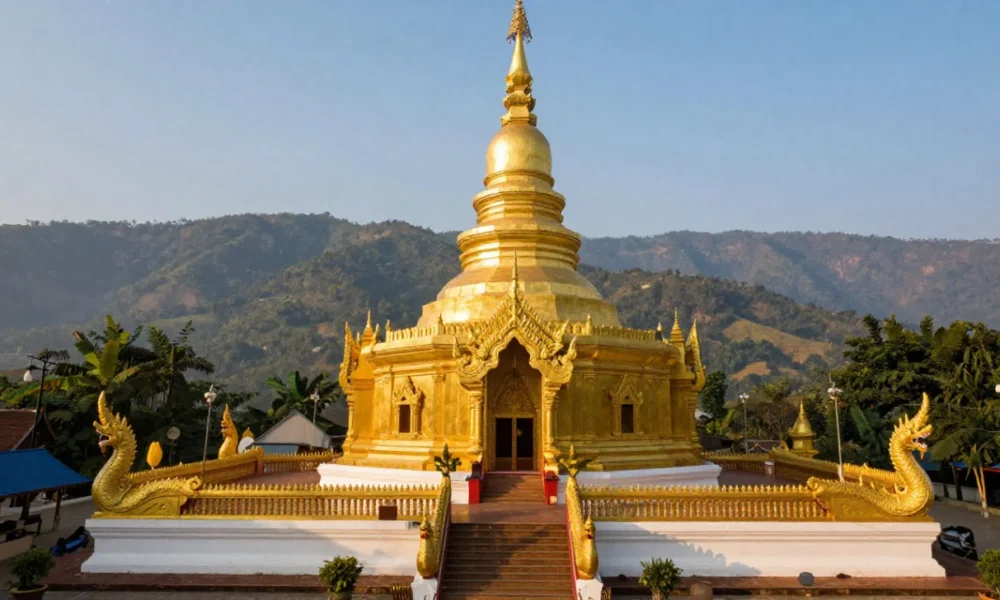
Chiang Mai is the largest city in northern Thailand and served as the capital of the Lanna Kingdom from the 13th to the 16th century. Surrounded by mountains and rich in cultural heritage, the city is home to over 300 Buddhist temples (wats), a well‑preserved old city, and a dynamic contemporary arts scene. This guide provides an objective overview of Chiang Mai’s principal attractions, culinary traditions, cultural practices, and essential travel logistics.
Table Of Content
- Best Time to Visit Chiang Mai
- How to Reach Chiang Mai
- Getting Around Chiang Mai
- Top Attractions in Chiang Mai
- Historic Temples
- Old City and Neighbourhoods
- Markets and Shopping
- Natural Attractions
- Ethical Elephant Sanctuaries
- Northern Thai Cuisine
- Cultural Experiences
- Practical Information forTravellerss
- Conclusion
Best Time to Visit Chiang Mai
Chiang Mai experiences three distinct seasons, each offering a different travel experience.
- Cool season (November–February): Daytime temperatures are mild (15–30°C), and humidity is low. This period coincides with peak tourism; accommodation and flights are often more expensive, and popular sites are busier.
- Hot season (March–May): Temperatures frequently exceed 35°C, with April being the hottest month. Air quality can be affected by agricultural burning in the region. Fewer visitors and lower rates are typical.
- Rainy season (June–October): Afternoon showers are common but usually brief. The landscape becomes lush, and the waterfall flows are at their strongest. Hotel prices are generally lowest during this period.
How to Reach Chiang Mai
By air: Chiang Mai International Airport (CNX) is served by direct flights from Bangkok (about 1 hour 15 minutes), other major Thai cities, and several international destinations in Asia.
By train: State Railway of Thailand operates daily services from Bangkok’s Krung Thep Aphiwat Central Terminal to Chiang Mai Railway Station. The journey takes approximately 11–13 hours, with overnight sleeper carriages available.
By bus: Frequent express and VIP buses depart from Bangkok’s Mo Chit Bus Terminal and various northern hubs. Travel time is roughly 9–10 hours.
Getting Around Chiang Mai
Songthaews: Red pickup trucks with covered benches operate as shared taxis. Passengers flag them down on the street, state their destination, and pay a fare that is typically negotiated before departure. Within the city centre, short trips are generally inexpensive.
Tuk‑tuks: Three‑wheeled motorized vehicles suitable for short distances. Fares should be agreed upon before the journey begins.
Ride‑hailing apps: Grab and other regional applications are widely available and offer fixed‑price fares.
Scooter rental: Many visitors rent scooters for day trips. Riders should possess a valid international driving permit, wear a helmet, and be familiar with local traffic conventions. Rental companies usually require a passport copy and a deposit.
Top Attractions in Chiang Mai
Historic Temples
Wat Phra That Doi Suthep
Located on Doi Suthep mountain, this temple is one of northern Thailand’s most revered sites. According to local chronicles, a relic of the Buddha was placed on the back of a sacred white elephant, which climbed the mountain and stopped at the site where the temple was later built. Visitors ascend a staircase flanked by naga serpents to reach the terrace, which offers panoramic views of Chiang Mai.
Wat Chedi Luang
Situated in the centre of the old city, Wat Chedi Luang was originally constructed in the 14th century. Its large chedi (stupa) was partially damaged by an earthquake in the 16th century but remains an important historical monument. The temple grounds also house the city pillar (Lak Mueang).
Wat Phan Tao
Distinguished by its prayer hall constructed entirely of teakwood, Wat Phan Tao was formerly part of the royal palace complex. The intricate woodcarvings and the absence of nails in its construction are notable architectural features.
Wat Umong
Set in a forested area at the base of Doi Suthep, Wat Umong is known for its network of ancient brick tunnels used for meditation. The grounds contain scattered stupas and a large pond, creating a quiet atmosphere distinct from the city’s more central temples.
Old City and Neighbourhoods
The old city is a roughly one‑square‑kilometre area enclosed by a moat and remnants of defensive walls. Its grid‑like layout encourages exploration on foot or by bicycle.
- Wat Ket: Located near the Ping River and Chiang Mai University, this neighbourhood has a concentration of independent cafes, second‑hand bookshops, and student‑friendly eateries.
- Wua Lai: South of the old city, Wua Lai is traditionally home to silversmiths. The area hosts the Saturday Walking Street market.
- Chang Moi: East of the moat, Chang Moi blends long‑established craft workshops with contemporary art galleries and design studios.
Markets and Shopping
Chiang Mai Night Bazaar
Operating nightly along Chang Khlan Road, the Night Bazaar features hundreds of stalls selling clothing, handicrafts, souvenirs, and electronics. A separate food court offers a variety of Thai dishes at moderate prices.
Saturday Walking Street (Wua Lai Road)
Every Saturday evening from approximately 16:00 to 22:00, Wua Lai Road becomes pedestrian‑only. The marketemphasizess locally made goods, including silver jewellery, ceramics, textiles, and street food.
Sunday Walking Street (Ratchadamnoen Road)
Chiang Mai’s largest weekly market stretches the length of Ratchadamnoen Road in the old city. It attracts a mix of artisans, performers, and food vendors, and is especially busy during the high season.
Natural Attractions
Doi Inthanon National Park
Approximately 60 kilometres southwest of Chiang Mai, Doi Inthanon is Thailand’s highest peak (2,565 metres). The park contains several marked nature trails, waterfalls (notably Mae Ya and Wachirathan), and two chedis built in honour of the King and Queen. Temperatures at the summit are significantly cooler than in the city; warm clothing is recommended.
Bua Tong Waterfalls (Sticky Waterfalls)
Located about one hour north of Chiang Mai, Bua Tong is notable for its mineral‑deposit surfaces, which provide enough friction to allow visitors to walk up the cascades. The site is within a protected forest and includes picnic areas.
Ethical Elephant Sanctuaries
Several sanctuaries in the hills around Chiang Mai focus on the welfare of retired or rescued elephants. Practices considered ethical typically include:
- No riding or the use of bullhooks
- Limited interaction hours to allow elephants’ natural behaviour
- No forced performances or chaining (except for necessary veterinary care)
- An emphasis on observation, feeding, and walking alongside the elephants
Visitors are encouraged to research individual sanctuaries’ stated policies and, when possible, visit in person to observe conditions before participating.
Northern Thai Cuisine
Chiang Mai’s culinary identity is distinct from central and southern Thai food, incorporating milder spices, bitter herbs, and influences from neighbouring Myanmar and Laos.
Khao soi – A curry noodle soup with a coconut‑milk base, topped with crispy fried egg noodles. It is typically served with chicken or beef and accompanied by pickled mustard greens, shallots, and lime.
Sai oua – A grilled sausage made from minced pork, lemongrass, kaffir lime leaves, galangal, and chillies. It is often eaten with sticky rice and fresh vegetables.
Nam prik ong – A northern‑style chilli dip made with minced pork, tomatoes, garlic, and dried chillies. It is traditionally served with steamed vegetables and pork crackling.
Cooking classes
Many cooking schools in Chiang Mai offer half‑day or full‑day programmes. A typical class includes a guided visit to a local market to identify ingredients, followed by hands‑on preparation of several dishes. Class sizes are often limited to allow individual instruction.
Cultural Experiences
Sak Yant tattoos
Sak Yant is a traditional form of tattooing that originated in mainland Southeast Asia. The designs consist of geometric patterns and Khmer‑script prayers (yantra), which are believed to confer protection, luck, or other blessings. The tattoos are applied by hand using a long metal rod; the practitioner (ajarn) performs a blessing ritual before and after the process.
Visitors interested in receiving a Sak Yant should seek established, reputable masters and approach the practice with respect for its spiritual significance. Temporary henna versions are also available at some studios.
Alms‑giving ceremony
At dawn, monks walk through neighbourhoods to collect alms. Visitors who wish to observe or participate should dress modestly, maintain a respectful distance, and refrain from touching the monks or their bowls.
Practical Information forTravellerss
Visa requirements
Nationals of many countries are eligible for visa‑exempt entry to Thailand for tourism purposes, typically for 30 days when arriving by air and 15 days by land. Regulations are subject to change; travellers should verify current requirements with a Royal Thai Embassy or consulate before departure.
Accommodation
Chiang Mai offers a wide range of lodging, from budget hostels and guesthouses to mid‑range hotels and luxury resorts. The old city, Nimmanhaemin Road, and areas along the Ping River are popular bases.
Money
ATMs are widely available in urban areas. Credit cards are accepted in larger hotels, restaurants, and shops, but cash is preferred at markets and smaller establishments.
Language
Central Thai is the official language, while the Northern Thai (Kam Mueang) dialect is used locally. English is spoken at most hotels, tourist attractions, and some restaurants.
Dress code and etiquette
- When visiting temples, shoulders and knees should be covered. Footwear must be removed before entering temple buildings.
- Monks are not to be touched by women; female visitors should maintain a respectful distance.
- Public displays of anger or loud confrontation are considered impolite.
Health and safety
- Tap water is not potable; bottled or filtered water is recommended.
- Road traffic can be congested, and driving behaviour may differ from what many visitors are accustomed to. Pedestrians should exercise caution when crossing streets.
- Travel insurance covering medical expenses and trip interruption is advisable.
Conclusion
Chiang Mai remains a destination where historic religious architecture coexists with contemporary urban life. Its temple compounds, markets, and natural surroundings offer varied experiences for travellers with different interests. By familiarising themselves with local customs, seasonal conditions, and responsible visitor practices, individuals can navigate the city with greater confidence and cultural awareness.