

Common Engine Problems and How to Prevent Them Before They Get Expensive
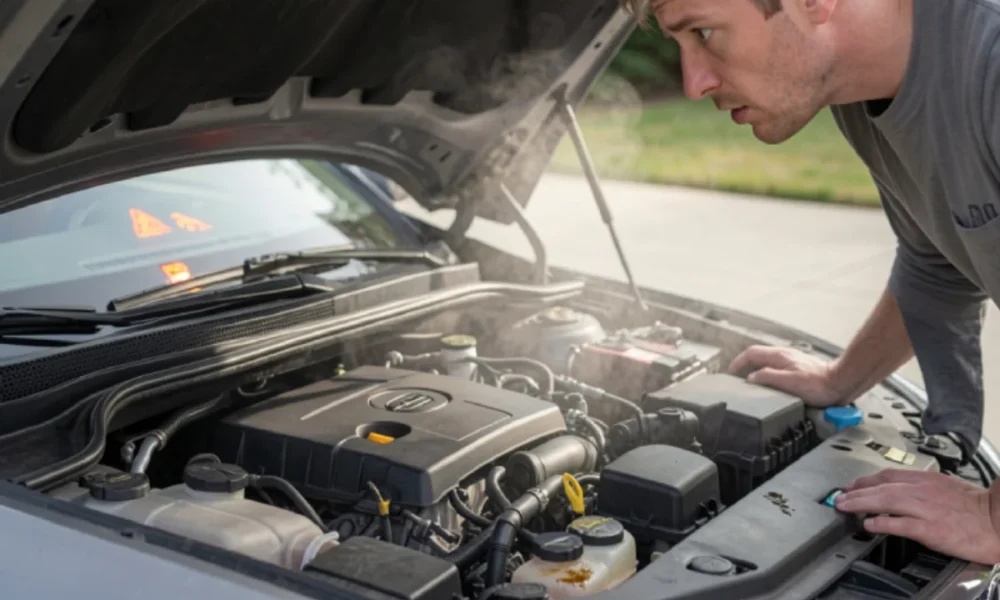
Common Engine Problems and How to Prevent Them! Your engine does a lot of heavy lifting every time you drive, but most people do not think about it until something starts going wrong. A strange noise, a warning light, rough idling, or smoke from the exhaust can all be signs that a small issue is turning into a major repair bill.
Table Of Content
- Why Engine Problems Happen
- Most Common Engine Problems
- 1. Engine Overheating
- 2. Oil Leaks
- 3. Dead or Misfiring Spark Plugs
- 4. Check Engine Light Issues
- 5. Low Engine Compression
- 6. Faulty Fuel System Components
- 7. Head Gasket Failure
- Quick Prevention Checklist
- Signs You Should Not Ignore
- How Regular Maintenance Saves You Money
- Final Thoughts
- FAQ
- What is the most common engine problem?
- How can I prevent engine damage?
- Is it safe to drive with the check engine light on?
- How do I know if my engine is overheating?
- Can an oil leak ruin an engine?
The good news is that many common engine problems can be prevented. A little attention, regular maintenance, and knowing what warning signs to watch for can save you a lot of stress and money.
Why Engine Problems Happen
Engines work under constant heat, pressure, and friction. Over time, parts wear out, fluids break down, and neglected maintenance starts to show. In many cases, the engine itself is not the first thing to fail. It is usually something connected to it, like a sensor, gasket, spark plug, or cooling part.
That is why prevention matters so much. Catching small issues early is almost always cheaper than waiting for a full breakdown.
Most Common Engine Problems
1. Engine Overheating
Overheating is one of the most common and most dangerous engine issues. If your engine gets too hot, it can damage the head gasket, warp engine components, and lead to serious repairs.
Common causes include:
- Low coolant
- A leaking radiator
- A bad thermostat
- A failing water pump
- Cooling fan problems
How to prevent it:
- Check coolant levels regularly
- Inspect for leaks under the car
- Replace coolant on schedule
- Never ignore the temperature warning light
- Stop driving if the engine is overheating
If your temperature gauge starts climbing fast, do not keep pushing the car. That can turn a manageable fix into a major engine repair.
2. Oil Leaks
Oil is what keeps engine parts lubricated and protected. When oil leaks, your engine loses the protection it needs. Over time, low oil levels can increase wear and lead to overheating or internal damage.
Oil leaks often come from:
- Worn gaskets
- Damaged seals
- A loose oil filter
- A cracked oil pan
How to prevent it:
- Check your driveway or parking space for oil spots
- Monitor your oil level often
- Change oil and filters on time
- Have leaks repaired early before they get worse
A small oil leak may not seem urgent, but leaving it alone for too long can create a much bigger engine problem.
3. Dead or Misfiring Spark Plugs
Spark plugs ignite the air and fuel mixture inside the engine. When they wear out or get dirty, your engine may misfire, lose power, or struggle to start.
Signs of bad spark plugs include:
- Rough idling
- Slow acceleration
- Poor fuel economy
- Trouble starting
- Engine misfire
How to prevent it:
- Replace spark plugs at recommended intervals
- Use the correct plug type for your vehicle
- Fix ignition issues quickly
- Do not ignore check engine lights tied to misfires
This is one of the easier and more affordable problems to handle early, which makes it worth staying on top of.
4. Check Engine Light Issues
The check engine light can come on for something minor or something serious. It may be triggered by a loose gas cap, a faulty sensor, ignition trouble, or emissions-related issues.
The mistake many drivers make is ignoring it.
How to prevent bigger problems:
- Tighten the gas cap first
- Get diagnostic codes checked as soon as possible
- Do not keep driving for weeks with the light on
- Pay attention if the light is flashing, not just steady
A flashing check engine light usually means the issue is more urgent and could damage the engine or catalytic system.
5. Low Engine Compression
Low compression means the engine is no longer sealing and firing as it should. This can lead to reduced power, hard starts, and poor performance.
Possible causes include:
- Worn piston rings
- Valve problems
- Head gasket failure
- Cylinder wear
How to help prevent it:
- Keep up with oil changes
- Avoid overheating
- Use good-quality fuel when recommended
- Address engine knocking or misfires quickly
Compression issues usually build over time, so routine maintenance plays a big role in prevention.
6. Faulty Fuel System Components
Your engine needs the right amount of fuel at the right time. If fuel injectors, the fuel pump, or the fuel filter are not working properly, performance drops fast.
Symptoms may include:
- Hard starting
- Poor acceleration
- Stalling
- Engine hesitation
- Reduced fuel efficiency
How to prevent it:
- Replace fuel filters when required
- Avoid driving on a nearly empty tank all the time
- Use clean, quality fuel
- Service fuel injectors if performance drops
Fuel system issues can feel like engine trouble because they directly affect how the engine runs.
7. Head Gasket Failure
A blown head gasket is one of the more serious engine problems drivers fear, and for good reason. It can cause coolant and oil to mix, reduce engine performance, and lead to overheating.
Warning signs include:
- White smoke from the exhaust
- Milky oil
- Coolant loss with no obvious leak
- Overheating
- Bubbling in the radiator or coolant tank
How to prevent it:
- Never ignore overheating
- Keep your cooling system in good condition
- Replace thermostats and water pumps when needed
- Fix coolant leaks quickly
Head gasket failure is often the result of another issue being ignored for too long.
Quick Prevention Checklist
If you want to reduce your chances of engine trouble, focus on these habits:
- Change engine oil on schedule
- Check coolant, oil, and other fluids regularly
- Replace spark plugs and filters when needed
- Watch for warning lights
- Listen for new noises
- Fix leaks early
- Do not ignore overheating
- Follow your vehicle’s maintenance schedule
These simple habits can make a major difference over the life of your engine.
Signs You Should Not Ignore
Some engine symptoms deserve immediate attention. If you notice any of these, it is smart to get the vehicle checked as soon as possible:
- Knocking or ticking sounds
- Smoke from the exhaust
- Engine overheating
- Rough idling
- Sudden power loss
- Strong fuel or burning smells
- A flashing check engine light
The longer you wait, the more likely a small repair turns into a major one.
How Regular Maintenance Saves You Money
A lot of drivers see maintenance as an extra expense, but it is usually much cheaper than repair work. Replacing oil, spark plugs, filters, or coolant costs far less than replacing a damaged engine component.
Think of maintenance as protection. You are not just keeping the car running today. You are helping prevent the type of damage that can take your car off the road and hit your wallet hard.
Final Thoughts
Most common engine problems do not appear out of nowhere. They build up through neglected maintenance, ignored warning signs, or small failures that spread into larger ones. The best way to protect your engine is to stay consistent with the basics.
Check your fluids, pay attention to the way your car sounds and feels, and handle small issues before they grow. That simple approach can help your engine last longer, perform better, and save you from expensive repairs down the road.
FAQ
What is the most common engine problem?
Engine overheating is one of the most common engine problems, especially when coolant levels are low or cooling system parts fail.
How can I prevent engine damage?
You can prevent engine damage by changing oil on time, checking coolant levels, replacing worn parts early, and never ignoring warning lights or overheating.
Is it safe to drive with the check engine light on?
It depends on the cause. A steady light may mean a less urgent issue, but a flashing light should be treated as serious and checked immediately.
How do I know if my engine is overheating?
Signs include a rising temperature gauge, steam from under the hood, warning lights, or a hot smell while driving.
Can an oil leak ruin an engine?
Yes. If an oil leak causes oil levels to drop too low, the engine can lose lubrication and suffer severe internal damage.