

The Complete Guide to Cardholder Wallets: Security, Organization, and Lasting Durability
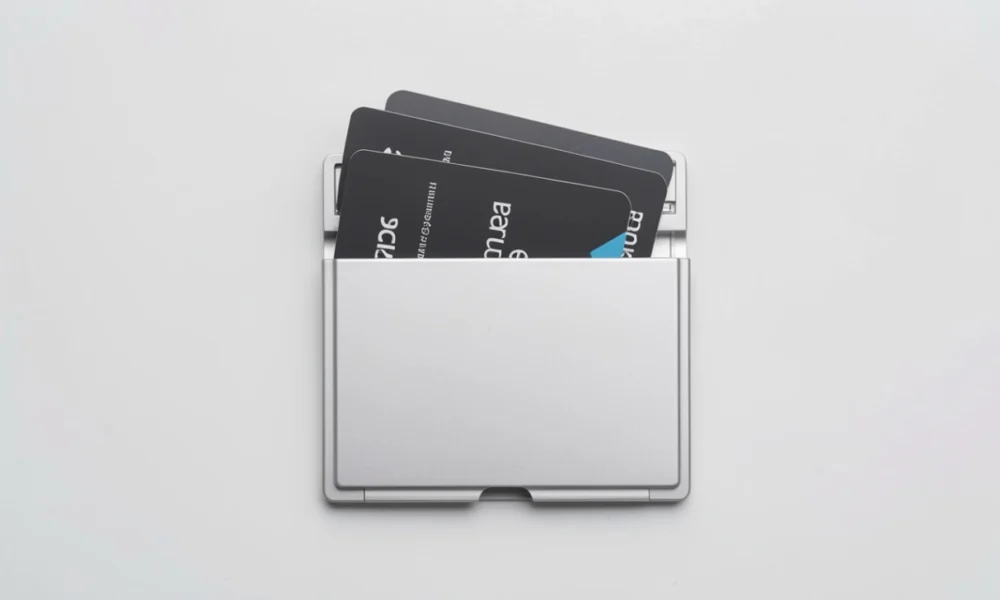
The shift from bulky traditional wallets to sleek, efficient cardholders is one of the most noticeable changes in everyday carry. What was once a thick leather fold stuffed with receipts, coins, and rarely-used loyalty cards has been replaced by minimalist designs focused on security and quick access. Modern cardholder wallets offer a compelling solution for those looking to reduce pocket clutter without sacrificing functionality. This guide explores the key benefits, from advanced security features to the long-lasting materials that make them a smart investment.
Table Of Content
Enhanced Security Features: Beyond RFID Blocking
One of the primary drivers for upgrading to a cardholder wallet is the enhanced security it provides. Traditional leather wallets offer no protection against digital theft. Many contemporary cardholders are now engineered with built-in security measures to safeguard your financial information.
- RFID and NFC Protection: Many cards today use Radio-Frequency Identification (RFID) or Near Field Communication (NFC) for contactless payments. While convenient, this technology can be vulnerable to “skimming,” where criminals use a scanner to capture your card information wirelessly. A cardholder wallet with RFID-blocking technology acts as a protective shield, creating a Faraday cage that prevents these unauthorized scans. This ensures that your personal and financial data remains private, whether you’re in a crowded city or a busy airport
- Physical Card Protection: Security isn’t only about digital threats. The constant wear and tear of a pocket can bend, break, or demagnetize cards. High-quality cardholders, particularly those with an aluminum casing, provide a rigid shell that protects cards from bending, breaking, and general physical damage . This is especially important for protecting essential items like your driver’s license and primary bank cards, which can be a hassle to replace .
Organizational Excellence and Quick Access
The organizational benefits of a cardholder wallet go beyond simply having fewer items in your pocket. They introduce a system for managing your essential cards with efficiency.
- Patented Ejection Mechanisms: Many cardholders feature innovative mechanical systems. Brands like Secrid use a patented slide mechanism that fans out your cards with the push of a lever, providing instant access and then retracting them back into a secure, compact case . Tis eliminates the frantic fumbling through multiple slots at a checkout counter.
- Strategic Card Organization: The slim profile forces you to prioritize what you carry. Experts recommend carrying no more than four to six essential cards: a primary payment card, a backup, your driver’s license, and one frequently used access or loyalty card . To maximize efficiency, implement a logical placement system. For instance, use an “In-Out-In” system where your most-used cards are in the quickest-access slots, and less critical ones are stored behind them .
- Smart Storage for Cash and Coins: While the focus is on cards, modern designs haven’t forgotten about cash. Models are available with Moneybands or separate compartments to hold folded banknotes . For those who occasionally need coins, some brands offer modular designs, like the Secrid Cardslide, which adds a dedicated coin and key pocket without adding significant bulk. The choice between a minimalist cardholder and one with a coin pocket depends entirely on your lifestyle and how often you use physical currency
Longevity and Durability: Materials and Construction
Upgrading to a cardholder wallet is often a move toward a more durable, long-lasting accessory. The quality of materials and construction is what separates a wallet that lasts for years from one that falls apart in months.
- Material Matters: The durability of a wallet is largely determined by its material.
- Full-Grain Leather: Considered the gold standard, it develops a unique patina over time and resists wear far better than lower-grade leathers .
- Aluminum and Titanium: Used in many high-tech cardholders, these metals are lightweight, corrosion-resistant, and offer excellent protection against physical damage .
- Technical Fabrics: Advanced materials like 10XD™ super fabric (made from ultra-high molecular weight polyethylene) are reportedly ten times stronger than steel by weight. They are also water-repellent, sweat-resistant, and resistant to tearing, offering a durable and lightweight alternative to leather .
- Construction is Key: A well-constructed wallet features reinforced or double stitching at stress points, and smooth, finished edges that prevent fraying. A minimalist profile with fewer seams actually creates fewer potential points of failure, contributing to the wallet’s overall lifespan.
A Versatile Accessory in a Digital Age
A cardholder wallet is more than just a smaller wallet; it’s an accessory that adapts to modern life. While digital wallets on smartphones (like Apple Pay and Google Pay) are becoming the norm for payments, a physical cardholder remains essential. It serves as a reliable backup when a phone battery dies, or a merchant doesn’t accept contactless payments. It can securely house your ID, transit card, and a backup credit card, providing a hybrid approach that combines the efficiency of digital payments with the reliability of physical essentials.
How to Choose the Right Cardholder Wallet
Selecting the perfect cardholder involves matching its features to your daily routine.
- Audit Your Carry: Empty your current wallet. Separate your daily essentials (primary card, ID) from occasional-use and obsolete items. Aim to carry only 4-6 cards
- Choose Your Material: Select a material that fits your aesthetic and durability needs. Full-grain leather for a classic, aging look; aluminum for maximum protection; or high-tech fabric for lightweight, water-resistant durability.
- Select a Mechanism: Decide if you prefer a simple sleeve, a pop-up card ejector, or traditional slots
- Consider Cash and Coins: Be honest about how often you use cash. If it’s rare, a minimalist card holder with a money band for a few bills will suffice . If you regularly use coins, look for a modular design with a detachable coin pouch .
- Check for Provenance and Warranty: Look for brands that stand behind their products with warranties (some offer two to three years) or repair services. This not only protects your purchase but also supports sustainability by extending the product’s life .
The Final Word
Making the switch to a cardholder wallet is a practical upgrade that addresses the needs of the modern world. With advanced security features like RFID protection, a focus on organizational efficiency, and construction from genuinely durable materials, these wallets offer a compelling alternative to their outdated predecessors. By carefully considering your personal needs, you can select a cardholder that will serve you reliably for years, providing a seamless blend of security, style, and functionality.