

The Costa Blanca Homeowner’s Guide to Architectural Lighting: Fixtures, Bulbs, and Design
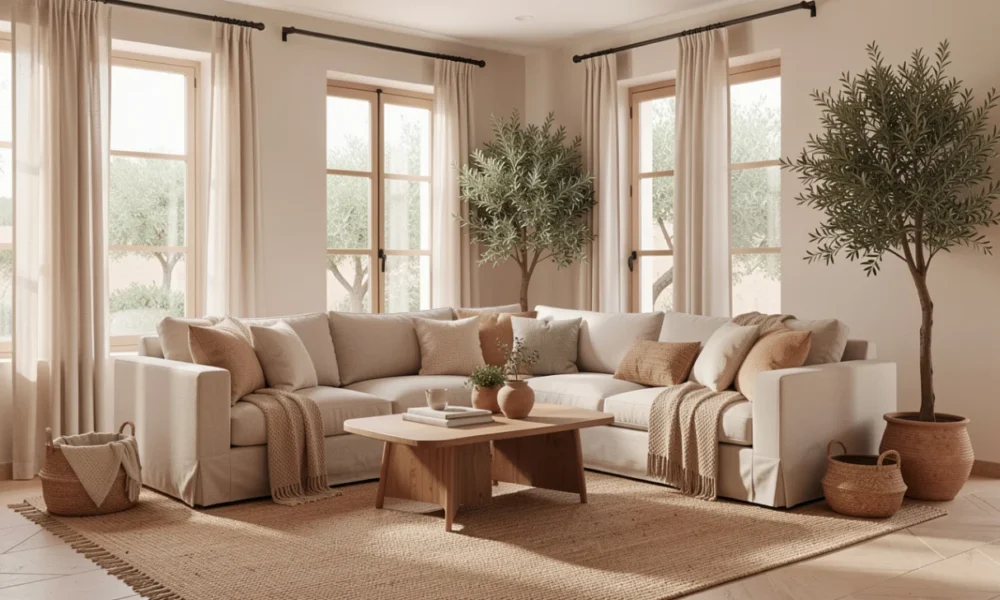
Proper illumination is a critical component of home design, influencing both the functionality and atmosphere of a space. For homeowners on the Costa Blanca, from Alicante to Orihuela Costa, lighting choices also interact with the region’s unique architecture and abundant natural light. This guide provides a structured approach to selecting fixtures and bulbs to create a balanced, efficient, and visually appealing home.
Table Of Content
- The Role of Light in Interior Design
- Assessing Your Home’s Lighting Requirements
- Core Lighting Fixture Types
- Ambient Lighting
- Task Lighting
- Accent Lighting
- Selecting Light Bulbs and Technology
- Incandescent Bulbs
- CFL Bulbs
- LED Bulbs
- Understanding Key Technical Specifications
- Practical Lighting by Room
- Kitchen Lighting
- Living Room Lighting
- Bathroom Lighting
- Outdoor and Terrace Lighting
- Implementation and Control
The Role of Light in Interior Design
Lighting is a foundational element of interior design, capable of altering the perception of space, texture, and colour. While natural light defines a home during the day, architectural lighting shapes the environment after sunset. The goal is not merely to illuminate a room but to create specific moods, highlight architectural features, and support daily activities. In the Costa Blanca, where outdoor living is integral to the lifestyle, a well-considered lighting plan extends this ambiance from interior spaces to terraces and gardens .
Assessing Your Home’s Lighting Requirements
Before selecting fixtures, evaluate the specific needs of each room. Consider how the space is used, its size, and the amount of natural light it receives during the day.
- Room Function: Identify the primary activities in each space. A kitchen used for both meal preparation and casual dining requires different lighting zones compared to a living room intended for relaxation and entertainment .
- Room Dimensions and Layout: The size and configuration of a room dictate the number and placement of light sources. A large, open-plan living area may need multiple fixtures to ensure even illumination, while a smaller bedroom nook might be adequately lit with a single, well-placed lamp.
- Natural Light Integration: Note the direction and intensity of natural light. Rooms with ample daylight may need less artificial lighting during the day, allowing you to focus on creating a layered scheme for the evening .
Core Lighting Fixture Types
A professional lighting design incorporates three distinct layers of light that work together to provide both utility and aesthetics .
Ambient Lighting
Ambient lighting, also known as general lighting, serves as the primary source of illumination for a room. It ensures occupants can move safely and see clearly. Common fixtures for ambient light include ceiling-mounted or recessed downlights, chandeliers, and wall sconces. The choice of fixture should be proportional to the room’s size and ceiling height.
Task Lighting
Task lighting provides focused illumination for specific activities. This includes under-cabinet lighting for kitchen countertops, a desk lamp for a home office, or a reading light beside an armchair. The key is to direct sufficient light exactly where it is needed without causing glare.
Accent Lighting
Accent lighting is used to draw attention to specific elements, such as artwork, textured stone walls, architectural details, or indoor plants. This layer adds depth and visual interest to a room by creating contrast and highlighting focal points. Techniques like wall grazing, where light is placed close to a textured surface, can dramatically enhance its appearance
Selecting Light Bulbs and Technology
The choice of bulb is as important as the fixture itself. Modern homeowners typically choose between LED, CFL, and incandescent options, with LEDs offering significant advantages for Mediterranean homes.
Incandescent Bulbs
Incandescent bulbs produce a warm, familiar light. However, they are the least energy-efficient option and have a relatively short lifespan. Their use is increasingly limited as more stringent energy regulations come into effect.
CFL Bulbs
Compact fluorescent lamps (CFLs) are more energy-efficient than incandescent bulbs and last longer. They contain a small amount of mercury, which requires careful disposal. Some users also find their warm-up time and light quality less appealing than other options.
LED Bulbs
Light-emitting diode (LED) bulbs are the current industry standard. They are highly energy-efficient, using up to 90% less energy than incandescent bulbs, and have an exceptionally long operational life, often exceeding 50,000 hours. LEDs produce minimal heat, making them safer and more comfortable, a key benefit in the Costa Blanca climate. They are available in a wide spectrum of colour temperatures, allowing for precise control over a room’s ambiance .
Understanding Key Technical Specifications
To make informed decisions, it is helpful to understand three basic terms :
- Kelvin (K): This measures the colour temperature of light. Lower Kelvin values (e.g., 2700K-3000K) produce a warm, yellowish light ideal for living rooms and bedrooms. Higher values (e.g., 4000K) create a neutral or cool white light suitable for kitchens and bathrooms .
- Lumens (lm): This measures the total amount of visible light emitted by a source, or its brightness. When replacing bulbs, look for lumens, not watts, to determine brightness.
- Watts (W): This measures the amount of energy a bulb consumes. With LED technology, lower wattage can produce the same or greater brightness (lumens) than older, inefficient bulbs.
Practical Lighting by Room
Applying these principles to specific rooms helps create a cohesive and functional lighting plan.
Kitchen Lighting
The kitchen requires a combination of strong, shadow-free task lighting for food preparation and softer ambient light for dining and socializing. Install task lighting under wall cabinets to illuminate countertops. Use recessed downlights for general coverage and consider warm pendants over an island or dining table to create a focal point and define the eating area.
Living Room Lighting
A living room benefits from a layered approach. Soft ambient light can be achieved with dimmable downlights or a central fixture. Table and floor lamps provide task lighting for reading. Accent lighting can be used to highlight artwork, a feature wall, or architectural details, adding depth and character to the space
Bathroom Lighting
Bathroom lighting should be both functional and relaxing. Combine ambient light with dedicated task lighting around the mirror for grooming. To create a spa-like atmosphere, incorporate softer, dimmable light sources for use during a bath or shower, separate from the brighter vanity lights .
Outdoor and Terrace Lighting
Given the Costa Blanca’s climate, outdoor areas are an extension of the home. Lighting should enhance safety and usability while creating an inviting atmosphere. Use low-level path lights to define walkways and steps. Employ accent lighting to highlight trees or architectural plants. For terraces and dining areas, choose warm, dimmable lights to create a comfortable setting for evening entertainment .
Implementation and Control
A lighting plan is most effective when it offers flexibility. Incorporating control systems allows you to adapt the atmosphere to different occasions.
- Dimmers: Installing dimmer switches is a simple way to gain control over the intensity of your lights, allowing you to transition from bright, functional light to a soft, ambient glow .
- Smart Lighting Systems: More advanced smart home systems enable the creation of pre-set “scenes.” For example, a “relax” scene could dim the main lights and turn on accent lighting, while a “clean” scene could bring all lights to full brightness. This technology provides maximum flexibility and convenience.