

Costa Blanca Travel Guide: Alicante’s Mediterranean Coast (2026 Update)
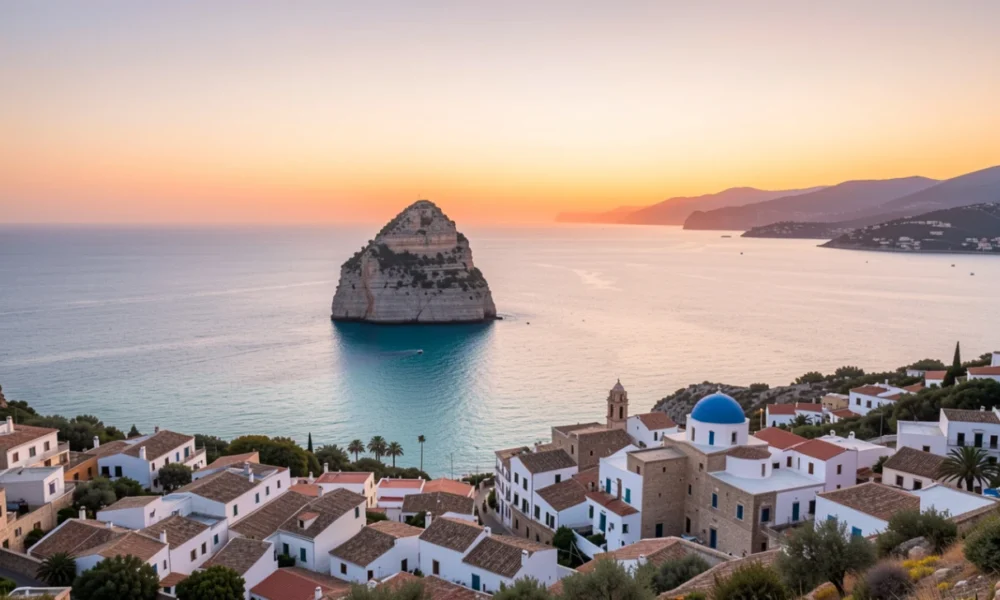
Stretching over 200 kilometers of Spain’s eastern coastline, Costa Blanca (the “White Coast”) is a Mediterranean destination known for its variety of landscapes. From the urban energy of Alicante to the secluded coves near Calpe, the region offers a mix of sandy beaches, historic sites, and protected natural parks.
Table Of Content
Recent travel reports have named Costa Blanca a leading value destination for summer 2026, citing its combination of affordable package deals, range of accommodations, and accessibility from major European cities via low-cost flights to Alicante-Elche Airport. This guide provides an overview of the region’s key areas, attractions, and practical information for planning a visit.
Alicante: The Provincial Capital
Alicante serves as the primary urban hub and transport gateway for the region. The city combines a historic core with a modern waterfront and urban beaches.
The dominant landmark is the Santa Bárbara Castle, situated on Mount Benacantil 1,66 meters above sea level. Accessible by foot or an elevator from Postiguet Beach, the 9th-century fortress offers panoramic views of the bay and functions as a cultural venue, hosting exhibitions and summer concerts. Below the castle, the Santa Cruz neighborhood features narrow, cobbled streets and traditional whitewashed houses.
For visitors, the Playa del Postiguet provides a central beach option directly in front of the city, backed by a palm-lined promenade with restaurants. For a longer, more relaxed beach experience, San Juan Beach lies north of the city center, offering a wide stretch of sand with facilities and good tram connections back into Alicante .
Notable Coastal Towns and Natural Sites
Beyond the capital, the Costa Blanca coastline is dotted with towns and natural features that define the region’s character.
- Altea: Located north of Benidorm, Altea is frequently cited for its preserved old town. A hilltop maze of cobblestone streets and white houses leads to the Nuestra Señora del Consuelo church, distinguished by its blue-tiled dome. The town has a reputation as an artistic community, with numerous galleries and a more tranquil atmosphere compared to larger resorts .
- Calpe and the Peñón de Ifach: The town of Calpe is dominated by the Peñón de Ifach, a massive limestone rock formation that rises 332 meters from the Mediterranean. It is now a natural park. A hike to the summit, while challenging in sections, provides extensive views of the coastline. The town itself has sandy beaches like Platja de la Fossa and a quieter old town area .
- Benidorm: Known for its dense skyline of hotels and apartments, Benidorm is a purpose-built resort focused on entertainment. It is divided into distinct zones: Levante Beach is lined with bars and nightlife venues; Poniente Beach offers a somewhat quieter atmosphere; and the Old Town retains a more traditional Spanish character with tapas bars and the “Mediterranean Balcony” viewpoint. The area also contains large-scale attractions like the Terra Mítica theme park and Aqualandia water park .
- Torrevieja and the Pink Salt Lakes: In the southern part of the province, the Salinas de Torrevieja present a notable natural phenomenon. The lagoon’s distinctive pink color is caused by halophilic bacteria and microorganisms. A tourist train offers guided tours around the salt flats, where visitors can also observe flamingos. The area remains an active salt production site.
- Guadalest: Inland from the coast, the village of Guadalest is perched on a rocky outcrop and is accessible only through a tunnel carved into the rock. The setting, surrounded by mountains and overlooking a turquoise reservoir, makes it a popular day trip destination
Outdoor Activities and Cultural Options
- Hiking and Nature: Several natural parks provide hiking opportunities. The Sierra Helada Natural Park, between Benidorm and Altea, features coastal cliffs and trails such as the path to the Albir lighthouse. Inland, the Font Roja Natural Park near Alcoy offers forested trails and mountain scenery.
- Diving and Water Sports: The clear waters along the coast support diving and snorkeling. Cala Granadella, near Jávea, is a pebble cove known for its water clarity and is popular with divers. Cala del Moraig, further south, features a sea cave called the Cova dels Arcs, accessible from the beach
- Cultural Sites: Beyond the castle in Alicante, the MARQ Archaeological Museum provides context on the region’s history. Inland towns like Alcoy have modernist architecture, and Villajoyosa is known for its brightly painted houses and a chocolate museum .
Costa Blanca Weather by Month
The region has a Mediterranean climate with mild winters and warm, dry summers. The following averages for Benidorm are representative of the coastal strip .
| Month | Avg. High (°F) | Avg. Low (°F) | Sea Temp (°F) | Rainy Days | Daily Sun (Hours) |
|---|---|---|---|---|---|
| January | 62°F | 45°F | 57°F | 13 days | 6 hrs |
| February | 63°F | 46°F | 57°F | 11 days | 6 hrs |
| March | 66°F | 49°F | 57°F | 11 days | 7 hrs |
| April | 70°F | 53°F | 61°F | 10 days | 8 hrs |
| May | 75°F | 58°F | 64°F | 9 days | 9 hrs |
| June | 82°F | 65°F | 72°F | 6 days | 10 hrs |
| July | 86°F | 70°F | 77°F | 3 days | 11 hrs |
| August | 87°F | 72°F | 79°F | 4 days | 10 hrs |
| September | 83°F | 67°F | 77°F | 6 days | 8 hrs |
| October | 76°F | 60°F | 72°F | 10 days | 7 hrs |
| November | 68°F | 52°F | 66°F | 10 days | 6 hrs |
| December | 63°F | 47°F | 61°F | 12 days | 5 hrs |
- Peak Season (June–September): Hot, sunny, and minimal rainfall. Sea temperatures are warmest in August. This is the busiest period for beach tourism .
- Shoulder Seasons (April–May, October): Mild and pleasant for sightseeing and hiking. Water remains swimmable in October. Expect more cloud cover and a higher chance of rain in October.
- Winter (November–March): Cooler and windier with more cloudy days, but still mild compared to northern Europe. Sunny days are common, suitable for inland exploration or golf
Where to Stay: Areas and Accommodation
Choosing a base depends on travel style and priorities. Accommodation ranges from all-inclusive resorts to self-catering apartments and boutique hotels .
- Alicante City: Best for culture, shopping, and transport links. Offers a mix of hotels and guesthouses. Convenient for the airport and train connections to Madrid and Valencia .
- Benidorm: Best for nightlife, entertainment, and family-focused resorts. Extensive options from large hotel blocks to aparthotels with water parks. Areas near Levante are lively; Poniente is slightly calmer .
- Altea / Jávea (Xàbia): Best for couples, tranquility, and charm. Primarily s, smaller hotels, boutique stays, and villa rentals. A car is recommended for exploring the surrounding coves
- Calpe: Best for hikers and beach lovers seeking a balance of nature and resort amenities. Offers a range of hotels near the beaches or the Peñón de Ifach .
- Torrevieja: Best for budget-conscious travelers, families, and longer stays. A mix of affordable apartments and a large expat community. Close to the pink salt lakes .
Accommodation Tips:
- Verify the exact location on a map service, as descriptions like “close to the beach” can be misleading .
- Confirm essential amenities such as air conditioning (for summer) and elevator access, as many older buildings lack lifts .
- For official rentals, look for a tourist license number. Be cautious of deals that appear too good to be true, especially during peak season .
- For the 2026 summer holidays, package deals from operators like TUI and Jet2holidays may offer cost savings compared to booking flights and hotels separately.
Getting There and Around
- By Air: Alicante-Elche Airport (ALC) is the main international gateway, served by numerous low-cost and full-service carriers from across Europe.
- By Train: Alicante has high-speed AVE train connections to Madrid (approx. 2.5 hours) and other Spanish cities
- Local Transport: A tram (TRAM) line connects Alicante with coastal towns to the north, including Benidorm, Altea, and Calpe, offering a scenic and practical travel option . Buses connect other towns.
- Car Rental: Renting a car provides the most flexibility for exploring inland villages (like Guadalest) and more remote coves. Note that parking in coastal towns can be difficult and expensive during peak summer months .