

DIY vs Professional Car Repair: What You Should Never Do Yourself
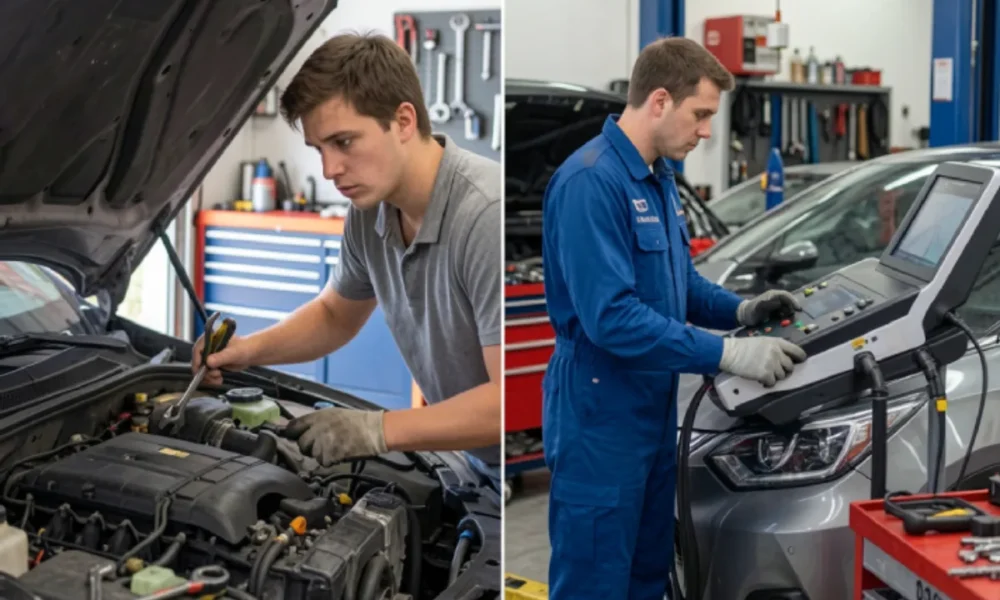
If you have ever watched a quick car repair video and thought, “I can do that myself,” you are not alone. DIY car work can save money, teach you useful skills, and make basic maintenance feel a lot less intimidating. But there is a big difference between changing your air filter and taking apart a braking system.
Table Of Content
- DIY vs Professional Car Repair: Why the Difference Matters
- Car Repairs You Should Never Do Yourself
- 1. Brake System Repairs Beyond Basic Pad Replacement
- 2. Suspension and Steering Work
- 3. Airbag and SRS System Repairs
- 4. Transmission Repairs
- 5. Engine Timing Work
- 6. Fuel System Repairs
- 7. Advanced Electrical Diagnostics
- 8. AC System Repairs
- Repairs You Can Usually Do Yourself
- How to Decide Between DIY and a Mechanic
- The Hidden Cost of Getting It Wrong
- When Professional Car Repair Is Always Worth It
- Final Thoughts on DIY vs Professional Car Repair
- FAQ
- What car repairs are safe to do yourself?
- What should you never fix yourself on a car?
- Is DIY car repair really cheaper?
- How do I know when to take my car to a professional?
- Can watching tutorials replace professional experience?
That is where the real DIY vs professional car repair conversation starts.
Some jobs are beginner-friendly. Others can put your safety, your engine, and your wallet at risk if they go wrong. The smart move is not avoiding DIY completely. It is knowing where to draw the line.
DIY vs Professional Car Repair: Why the Difference Matters
Doing simple work at home can be a great idea. Things like replacing wiper blades, changing cabin filters, checking fluids, or swapping out a dead battery are usually manageable with the right tools and a little patience.
Professional repair becomes the better choice when the job involves:
- Safety-critical systems
- Specialized tools
- Complex diagnostics
- Heavy parts or dangerous lifting
- Electrical or computer programming issues
The truth is simple: the more serious the system, the higher the risk of getting it wrong.
Car Repairs You Should Never Do Yourself
Here are the major jobs that are better left to a trained mechanic.
1. Brake System Repairs Beyond Basic Pad Replacement
Brakes are not the place to experiment.
A mistake in this area does not just cause noise or bad performance. It can directly affect your ability to stop the car safely. While some experienced DIYers handle brake pads and rotors, anything involving brake lines, calipers, master cylinders, ABS components, or brake fluid bleeding can get risky fast.
What can go wrong:
- Air in the brake lines
- Fluid leaks
- Uneven braking
- ABS warning issues
- Reduced stopping power
If you are not fully confident in the process, this is a professional job.
2. Suspension and Steering Work
Your suspension and steering control how your car handles, turns, and stays stable on the road. That includes parts like tie rods, control arms, ball joints, struts, and wheel hubs.
These repairs often require:
- High-torque fasteners
- Spring compression tools
- Alignment afterward
- Accurate reassembly
One wrong move can affect tire wear, steering response, or overall vehicle control. If a steering or suspension part fails while driving, the consequences can be serious.
3. Airbag and SRS System Repairs
Anything connected to airbags or the supplemental restraint system should stay in professional hands.
These systems are designed to deploy during a crash, and they are sensitive. Trying to repair sensors, steering wheel components, seatbelt tensioners, or airbag modules without the right training is a bad idea.
This is one of those jobs where saving money is not worth the risk.
4. Transmission Repairs
A transmission is not a “watch one video and figure it out” type of project.
Transmission issues are complicated because symptoms overlap. Slipping, jerking, delayed shifting, and fluid leaks can all point to different causes. Opening up the transmission without proper tools, workspace, and experience can turn a repairable issue into a full replacement.
Even removing and reinstalling a transmission is a major task because it is heavy, technical, and labor-intensive.
5. Engine Timing Work
Timing belts, timing chains, and related engine timing components are absolutely not beginner territory.
These parts control how the engine’s internal components move together. If the timing is off, even slightly, the engine may run poorly or not run at all. In some cases, internal engine damage can happen.
This is one of the clearest examples in the DIY vs professional car repair debate. Yes, it is technically possible. No, it is not a smart first project.
6. Fuel System Repairs
Fuel systems involve flammable liquid, pressure, and sensitive engine components. That combination alone should make most people pause.
Jobs like replacing fuel pumps, fuel injectors, fuel lines, or pressure regulators can create fire hazards if done incorrectly. A small mistake, leak, or improperly sealed connection can become a serious problem.
If you smell fuel after a repair, that is already a sign something is wrong.
7. Advanced Electrical Diagnostics
Modern cars are packed with sensors, modules, and wiring. Once you get beyond replacing a fuse or installing a battery, things can get complicated fast.
Electrical issues are frustrating because the symptom is not always the source. A warning light, dead accessory, or random starting issue might involve multiple systems. Guessing and swapping parts can waste money and create new problems.
Professional shops have diagnostic tools that go way beyond a basic code reader, and that matters more than most people realize.
8. AC System Repairs
Car air conditioning is not just about comfort. It is also a pressurized system that requires proper tools and handling.
Trying to recharge or repair AC components without understanding pressures, leaks, and system balance can lead to poor performance or damaged parts. Compressor, condenser, and refrigerant-related jobs are usually better left to a shop.
Repairs You Can Usually Do Yourself
Not every job needs a mechanic. In fact, some tasks are perfect for DIY.
Common beginner-friendly repairs include:
- Replacing wiper blades
- Changing engine air filters
- Replacing cabin air filters
- Installing new headlights or taillight bulbs
- Checking and topping off fluids
- Replacing a battery
- Swapping spark plugs on easy-access engines
The key phrase there is easy-access. If the repair starts requiring major disassembly, specialty tools, or confusing diagnostics, it may no longer be a DIY job.
How to Decide Between DIY and a Mechanic
If you are unsure, use this simple checklist.
Ask yourself:
- Is this repair connected to safety?
- Do I have the right tools?
- Do I actually understand the process from start to finish?
- Can I diagnose the issue, not just replace a part?
- What happens if I get it wrong?
If the answer makes you hesitate, that hesitation is useful. It usually means the repair deserves professional attention.
The Hidden Cost of Getting It Wrong
A lot of people choose DIY to save money, which makes sense. But a mistake can cost more than the original repair.
A bad DIY repair can lead to:
- More damaged parts
- Towing costs
- Repeat labor
- Safety issues
- Bigger repair bills later
Sometimes the cheapest option is not doing it yourself. It is doing it correctly the first time.
When Professional Car Repair Is Always Worth It
Call a professional when:
- Warning lights keep coming back
- The car feels unsafe to drive
- You hear grinding, clunking, or metal-on-metal sounds
- The repair involves lifting the vehicle for major underbody work
- You need special tools you do not own
- You are dealing with brakes, steering, airbags, fuel, or engine timing
That is not being lazy. That is being smart.
Final Thoughts on DIY vs Professional Car Repair
DIY car maintenance is great when it stays within your skill level. It can save money, build confidence, and help you understand your vehicle better. But some repairs are not worth the risk, especially when safety or major system damage is on the line.
The best car owners are not the ones who do everything themselves. They are the ones who know what they can handle and what should go to a professional.
That is the real answer to DIY vs professional car repair.
FAQ
What car repairs are safe to do yourself?
Basic maintenance like replacing filters, changing wiper blades, installing a battery, and swapping simple bulbs is usually safe for most car owners.
What should you never fix yourself on a car?
You should avoid complex brake work, steering and suspension repairs, airbag systems, transmission repairs, engine timing work, fuel system repairs, and advanced electrical diagnostics.
Is DIY car repair really cheaper?
It can be cheaper for simple jobs, but mistakes on major repairs can end up costing more than hiring a mechanic from the start.
How do I know when to take my car to a professional?
If the repair affects safety, requires special tools, involves diagnostics you do not fully understand, or could cause major damage if done wrong, it is time to call a professional.
Can watching tutorials replace professional experience?
Tutorials can help with basic maintenance, but they do not replace hands-on training, proper equipment, or real diagnostic experience.