

Emergency Car Kit: Must-Have Items for Every Driver
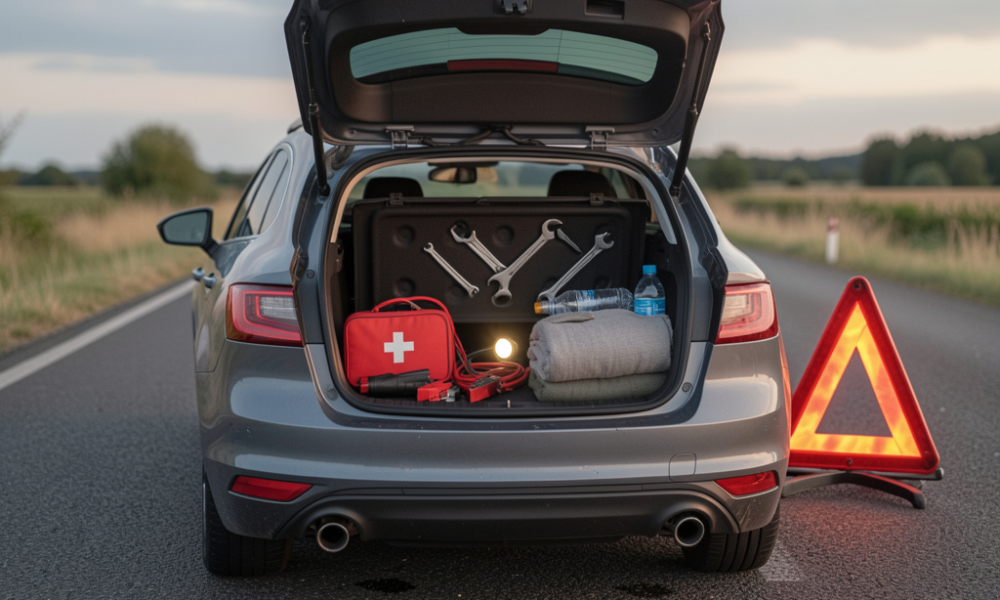
If your car breaks down at the worst possible time, your emergency kit can make the difference between a stressful delay and a manageable situation. Most drivers do not think about roadside emergencies until they are stuck with a dead battery, flat tire, bad weather, or no phone charge.
Table Of Content
- What Is an Emergency Car Kit?
- Why Every Driver Needs an Emergency Car Kit
- Emergency Car Kit Essentials
- 1. First Aid Kit
- 2. Jumper Cables or a Portable Jump Starter
- 3. Flashlight and Extra Batteries
- 4. Reflective Warning Triangles or Road Flares
- 5. Tire Pressure Gauge and Tire Inflator
- 6. Multi-Tool or Basic Tool Kit
- 7. Phone Charger or Power Bank
- 8. Bottled Water and Non-Perishable Snacks
- 9. Blanket or Extra Warm Layers
- 10. Rain Poncho or Waterproof Gear
- Smart Extras That Make Your Car Kit Better
- Duct Tape
- Work Gloves
- Ice Scraper
- Small Fire Extinguisher
- Paper Towels and Wet Wipes
- Notepad and Pen
- Emergency Car Kit Checklist
- How to Store Your Emergency Car Kit
- How Often Should You Update Your Car Emergency Kit?
- Best Emergency Car Kit Tips for New Drivers
- Final Thoughts
- FAQ
- What should be in an emergency car kit?
- Why is an emergency car kit important?
- What is the most important item in a car emergency kit?
- How often should I check my emergency car kit?
- Should I keep an emergency car kit in every vehicle?
That is why having an emergency car kit matters. It is not about overpacking your trunk. It is about keeping the right essentials close by so you can stay safe, visible, warm, and prepared when something goes wrong.
In this guide, I am breaking down the must-have items for an emergency car kit, plus a few smart extras that make life easier on the road.
What Is an Emergency Car Kit?
An emergency car kit is a set of basic supplies you keep in your vehicle in case of breakdowns, accidents, weather problems, or long delays. It usually includes safety items, simple tools, first aid supplies, and a few comfort essentials.
Think of it as your just-in-case bag for the road.
Why Every Driver Needs an Emergency Car Kit
Even short drives can turn into unexpected problems. A flat tire, dead battery, empty gas tank, or sudden weather change can leave you stranded fast.
A well-stocked emergency car kit helps you:
- Stay safe while waiting for help
- Handle small problems on your own
- Stay warm or cool during delays
- Keep your phone charged
- Be more visible to other drivers
- Reduce panic in stressful moments
If you drive daily, take road trips, or travel with kids, this is one of the smartest things you can keep in your vehicle.
Emergency Car Kit Essentials
Here are the core items every driver should have.
1. First Aid Kit
A basic first aid kit is non-negotiable. You do not need a huge medical bag, but you should have supplies for minor cuts, burns, scrapes, and headaches.
Include:
- Bandages in different sizes
- Antiseptic wipes
- Gauze pads
- Medical tape
- Pain relievers
- Tweezers
- Gloves
A compact pre-packed first aid kit works well, especially if you want something simple and easy to store.
2. Jumper Cables or a Portable Jump Starter
A dead battery is one of the most common car problems. Jumper cables are useful, but a portable jump starter is even better because you do not need another car nearby.
If you want your emergency car kit to feel truly complete, this is one of the best items to include.
3. Flashlight and Extra Batteries
A flashlight is a must if you are dealing with car trouble at night. Your phone flashlight can help in a pinch, but a real flashlight is brighter, more reliable, and saves your phone battery.
Choose an LED flashlight and keep extra batteries with it.
4. Reflective Warning Triangles or Road Flares
If your car is stopped on the shoulder, visibility matters. Reflective triangles or road flares help other drivers see you sooner, especially in low light, rain, or fog.
This is one of those items people forget until they really need it.
5. Tire Pressure Gauge and Tire Inflator
Low tire pressure can turn into a bigger issue fast. A simple tire pressure gauge helps you check your tires, and a portable air compressor or inflator can save you from being stranded over a slow leak.
This combo is especially useful for long drives.
6. Multi-Tool or Basic Tool Kit
You do not need a mechanic’s toolbox in your trunk, but a small set of basic tools can be surprisingly helpful.
Good options include:
- Screwdrivers
- Pliers
- Adjustable wrench
- Utility knife
- Multi-tool
These are great for quick fixes, battery terminal issues, or simple adjustments.
7. Phone Charger or Power Bank
When your phone battery is low, everything gets harder. You may need directions, roadside assistance, weather updates, or a way to contact family.
Keep:
- A car phone charger
- A charging cable
- A fully charged power bank
This is one of the easiest upgrades for any emergency car kit.
8. Bottled Water and Non-Perishable Snacks
If you are stuck for a while, water and snacks matter more than most people expect. They are especially important during road trips, traffic delays, or extreme temperatures.
Good snack options include:
- Protein bars
- Trail mix
- Crackers
- Dried fruit
Swap these out every so often so they stay fresh.
9. Blanket or Extra Warm Layers
A blanket can make a huge difference if you are stranded in cold weather. Even in mild climates, nighttime temperatures can drop faster than expected.
A good emergency blanket setup can include:
- A compact fleece blanket
- Gloves
- Beanie
- Extra socks
If you travel with kids, this becomes even more important.
10. Rain Poncho or Waterproof Gear
Changing a tire or checking under the hood in the rain is never fun. A lightweight rain poncho or waterproof jacket can keep you dry enough to deal with the situation.
It takes up almost no space and earns its spot in your kit.
Smart Extras That Make Your Car Kit Better
Once you have the basics covered, these extras can level up your emergency car kit.
Duct Tape
Duct tape is one of the most useful items for temporary fixes. It is not glamorous, but it can help with loose trim, cracked plastic, or quick hold-together solutions until proper repairs happen.
Work Gloves
A solid pair of gloves protects your hands while handling tools, tires, cables, or sharp edges.
Ice Scraper
If you live somewhere cold, this is a must. It saves time and helps you clear windows safely.
Small Fire Extinguisher
A compact fire extinguisher is one of those items you hope to never use, but it is smart to keep one in the car.
Paper Towels and Wet Wipes
These are useful for cleanup, checking fluids, wiping hands, or dealing with spills.
Notepad and Pen
Simple, old-school, and still useful. You may need to write down directions, plate numbers, insurance info, or details after an incident.
Emergency Car Kit Checklist
If you want the quick version, here is a simple emergency car kit checklist:
| Category | Must-Have Items |
|---|---|
| Safety | First aid kit, flashlight, reflective triangles or flares |
| Battery and Power | Jumper cables or jump starter, phone charger, power bank |
| Tire Help | Tire pressure gauge, portable inflator |
| Tools | Multi-tool, basic tool kit, duct tape, gloves |
| Comfort | Water, snacks, blanket, extra clothes |
| Weather Gear | Rain poncho, ice scraper |
| Extras | Paper towels, wet wipes, notepad, pen |
How to Store Your Emergency Car Kit
The best emergency car kit is one you can actually find when you need it.
A few quick tips:
- Use a sturdy storage bin or organizer
- Keep the most important items easy to reach
- Store liquids carefully to avoid leaks
- Check batteries and chargers regularly
- Replace expired snacks, medications, and first aid supplies
Your trunk is usually the easiest place, but make sure smaller essentials like your flashlight and phone cable are still easy to grab.
How Often Should You Update Your Car Emergency Kit?
A quick check every few months is a good habit. You do not need to overthink it. Just make sure your supplies are still there, still working, and still usable.
Things to check:
- Battery-powered items
- Expiration dates
- Water and snack freshness
- Seasonal gear
- Charger cables and power banks
A winter setup may need extra warmth, while a summer setup may need more water and sun protection.
Best Emergency Car Kit Tips for New Drivers
If you are a new driver, start simple. You do not need to buy everything at once. Focus on the basics first:
- First aid kit
- Flashlight
- Jumper cables
- Phone charger
- Water
- Blanket
- Reflective warning triangles
That small setup already puts you ahead of a lot of drivers.
Final Thoughts
An emergency car kit is one of those things you hope you never need, but you will be glad to have if the moment comes. It is a small step that adds real peace of mind every time you get behind the wheel.
Start with the essentials, keep it organized, and update it when the seasons change. You do not need the perfect setup. You just need a smart, practical one that helps you stay safe and prepared on the road.
FAQ
What should be in an emergency car kit?
An emergency car kit should include a first aid kit, flashlight, jumper cables or a jump starter, reflective warning triangles, water, snacks, a blanket, phone charger, and basic tools.
Why is an emergency car kit important?
An emergency car kit helps drivers stay safe and prepared during breakdowns, bad weather, flat tires, dead batteries, or long roadside delays.
What is the most important item in a car emergency kit?
There is no single most important item, but a first aid kit, flashlight, and jumper cables or jump starter are among the top essentials.
How often should I check my emergency car kit?
Check your emergency car kit every few months to replace expired items, recharge batteries, and update supplies for the current season.
Should I keep an emergency car kit in every vehicle?
Yes. Every vehicle should have its own emergency car kit so you are prepared no matter which car you are driving.