

Foot Pain Relief Through Physical Therapy: Essential Stretches and Techniques
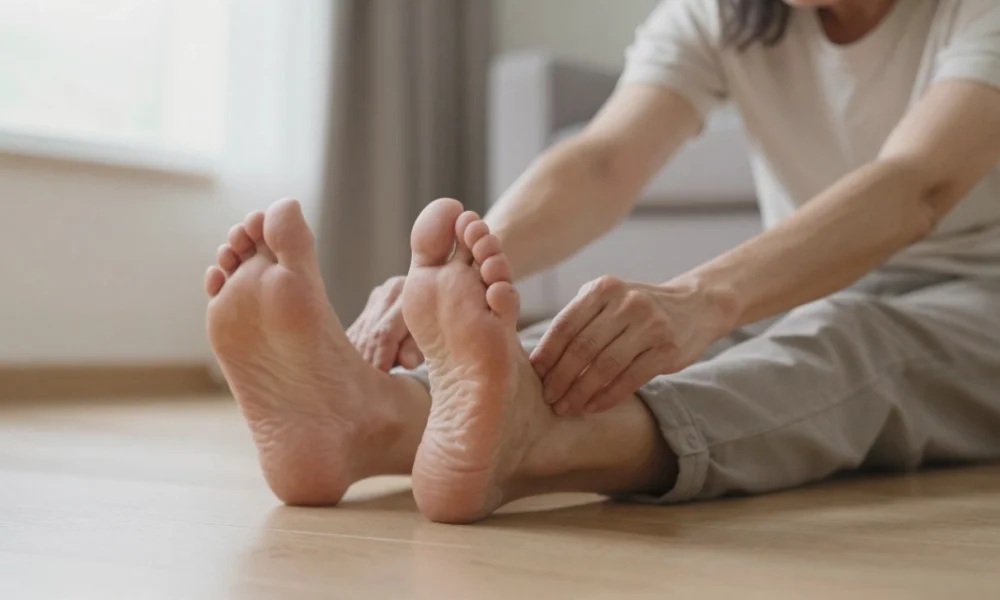
Foot discomfort affects millions of people, limiting mobility and interfering with daily activities. While causes vary, physical therapy approaches—particularly targeted stretching—offer effective solutions for managing and reducing foot pain.
Table Of Content
- Understanding Common Causes of Foot Pain
- How Stretching Supports Foot Pain Relief
- Essential Stretches for Foot Pain Relief
- Calf Stretch (Gastrocnemius)
- Plantar Fascia Stretch
- Toe Extension and Flexion
- Towel Curl Exercise
- Ankle Alphabet
- Additional Physical Therapy Techniques
- Manual Therapy
- Strengthening Exercises
- Balance and Proprioception Training
- Modalities
- When to Seek Professional Care
- Integrating Foot Care Into Daily Routine
- Summary
This guide explains common sources of foot discomfort, provides specific stretching techniques, and outlines how professional physical therapy supports long-term foot health.
Understanding Common Causes of Foot Pain
Foot pain typically stems from specific conditions affecting the structures that support weight-bearing and movement. Identifying the underlying cause helps determine which therapeutic approaches will be most effective.
Plantar fasciitis remains one of the most frequent sources of heel pain. The plantar fascia—a thick band of tissue running along the bottom of the foot—becomes irritated through overuse, improper footwear, or biomechanical issues. Pain typically concentrates near the heel and is often most intense during the first steps in the morning.
Achilles tendinitis involves inflammation of the Achilles tendon connecting the calf muscles to the heel bone. This condition commonly affects runners and individuals who suddenly increase activity intensity. Pain typically occurs at the back of the heel or along the tendon itself.
General muscle strain can affect any of the numerous muscles, ligaments, and tendons in the foot. Overuse, inadequate support, or sudden movements may cause temporary but limiting discomfort.
Less common but significant causes include:
- Metatarsalgia: Pain and inflammation in the ball of the foot
- Bursitis: Inflammation of fluid-filled pads cushioning joints
- Stress fractures: Small cracks in foot bones from repetitive force
- Tarsal tunnel syndrome: Compression of the nerve running through the ankle
Each foot contains 26 bones, 33 joints, and over 100 muscles, tendons, and ligaments. When any component functions improperly, compensation patterns can create discomfort throughout the foot and even into the knees, hips, or lower back.
How Stretching Supports Foot Pain Relief
Stretching serves multiple therapeutic functions for foot discomfort:
- Reduces muscle tension in tight calf muscles, which directly influences stress on the plantar fascia and Achilles tendon
- Improves flexibility in joints and soft tissues, allowing more natural movement patterns
- Increases blood flow to affected areas, supporting tissue healing and reducing stiffness
- Restores range of motion limited by pain or prolonged immobilization
Regular stretching addresses both symptoms and contributing factors. For example, tight calf muscles limit ankle dorsiflexion, forcing the foot to compensate during walking and increasing strain on the plantar fascia. Stretching the calves reduces this mechanical stress.
Essential Stretches for Foot Pain Relief
Perform these stretches gently. Stop immediately if you experience sharp pain rather than mild discomfort or pulling sensations.
Calf Stretch (Gastrocnemius)
Purpose: Reduces tension in the calf muscles, which directly affects stress on the Achilles tendon and plantar fascia.
Instructions:
- Stand facing a wall with your hands placed flat against it at shoulder height
- Position one foot forward with the knee bent
- Extend the opposite leg straight back, keeping both heels flat on the floor.
- Slowly lean toward the wall until you feel a gentle pull in the calf of the back leg.g
- Hold for 30 seconds
- Repeat 3 times on each leg
When to use: Morning and evening, or after prolonged sitting
Plantar Fascia Stretch
Purpose: Directly stretches the connective tissue along the bottom of the foot, particularly beneficial for plantar fasciitis.
Instructions:
- Sit in a chair and cross one foot over the opposite knee
- Grasp the toes of the crossed foot and gently pull them back toward your shin
- Use your other hand to feel for tension along the arch
- Hold for 15–30 seconds
- Repeat 3 times on each foot
Alternative method: Roll the arch of your foot over a frozen water bottle or tennis ball while seated for 5 minutes, combining stretching with gentle massage.
Toe Extension and Flexion
Purpose: Improves mobility in the small joints of the toes and reduces tension in the foot’s intrinsic muscles.
Instructions:
- Sit with feet flat on the floor
- Lift one foot and gently grasp each toe individually
- Slowly pull each toe upward (toward the ankle) and hold for 5 seconds
- Then gently curl each toe downward and hold for 5 seconds
- Repeat the sequence 3 times on each foot
When to use: During periods of sitting, such as at a desk or while watching television
Towel Curl Exercise
Purpose: Strengthens intrinsic foot muscles while providing gentle stretching through movement.
Instructions:
- Sit in a chair with feet flat on the floor
- Place a small towel on the floor in front of you
- Keeping heels planted, use your toes to scrunch the towel toward you
- Repeat until the towel is fully gathered, then reverse the motion to push it away
- Perform 2–3 complete cycles
Ankle Alphabet
Purpose: Improves ankle mobility and circulation through full-range movement.
Instructions:
- Sit or lie down with one leg extended
- Lift the foot slightly off the floor or bed
- Use your big toe as a “pen” to trace the entire alphabet in the air
- Make the movements as large and controlled as comfortable
- Repeat with the other foot
Additional Physical Therapy Techniques
Beyond stretching, physical therapists employ several approaches to address foot pain comprehensively.
Manual Therapy
Hands-on techniques including:
- Soft tissue massage: Reduces muscle tension and breaks up adhesions in fascia
- Joint mobilization: Gentle movements to restore normal joint mechanics
- Myofascial release: Targeted pressure to release restrictions in connective tissue
Strengthening Exercises
Weak foot muscles contribute to poor mechanics and increased injury risk. Common strengthening exercises include:
- Resistance band exercises: Pointing and flexing the foot against band resistance
- Marble pickups: Using toes to pick up small objects from the floor
- Calf raises: Slowly rising onto toes and lowering with control
Balance and Proprioception Training
The foot contains numerous sensory receptors that inform the body about surface conditions and joint position. When pain or injury disrupts this feedback, balance training helps restore normal function. Exercises may include:
- Single-leg standing (progressing from eyes open to eyes closed)
- Standing on uneven surfaces (foam pads, pillows)
- Dynamic balance activities like walking heel-to-toe
Modalities
Physical therapists may incorporate:
- Ice therapy: Reduces acute inflammation following activity
- Heat application: Increases blood flow before stretching
- Ultrasound: Provides deep heating to soft tissues
- Taping or strapping: Supports proper foot mechanics during activity
When to Seek Professional Care
While self-directed stretching benefits many individuals, certain situations warrant professional evaluation:
- Pain that persists beyond two weeks of consistent home care
- Sharp pain that prevents normal walking or weight-bearing
- Swelling, redness, or warmth in the foot (possible signs of infection or inflammatory conditions)
- Numbness or tingling (may indicate nerve involvement)
- Pain that worsens rather than improves with activity
- History of diabetes or circulatory conditions affecting the feet
A physical therapist can assess your specific condition, identify contributing factors (such as gait abnormalities or muscle imbalances), and develop a targeted treatment plan.
Integrating Foot Care Into Daily Routine
Consistency matters more than intensity for foot pain management. Consider these practical approaches:
Morning routine: Perform gentle stretches before getting out of bed. Point and flex your feet several times, then circle your ankles to increase circulation before standing.
Footwear awareness: Wear supportive shoes with adequate arch support and cushioning. Avoid flat, unsupported footwear for extended periods, particularly if you have high arches or flat feet.
Activity modification: If certain activities consistently trigger pain, reduce their intensity or duration while focusing on therapeutic exercises. Cross-train with low-impact activities like swimming or cycling.
Workplace considerations: If you stand for extended periods, use an anti-fatigue mat and shift weight regularly. If you sit for long periods, stand and walk briefly every hour.
Evening recovery: Apply ice to painful areas after activity. Gentle self-massage using a tennis ball or frozen water bottle can reduce tension before rest.
Summary
Foot pain often responds well to consistent stretching and appropriate physical therapy techniques. Understanding the specific source of discomfort guidethe s selection of the most beneficial exercises.
The stretches and approaches outlined here provide a foundation for managing common foot conditions. For persistent or severe pain, a professional assessment ensures appropriate treatment and faster recovery.
Regular attention to foot health through stretching, strengthening, and proper footwear supports long-term mobility and comfort.