

Full-Service Video Production: A Strategic Guide to Planning, Process, and ROI
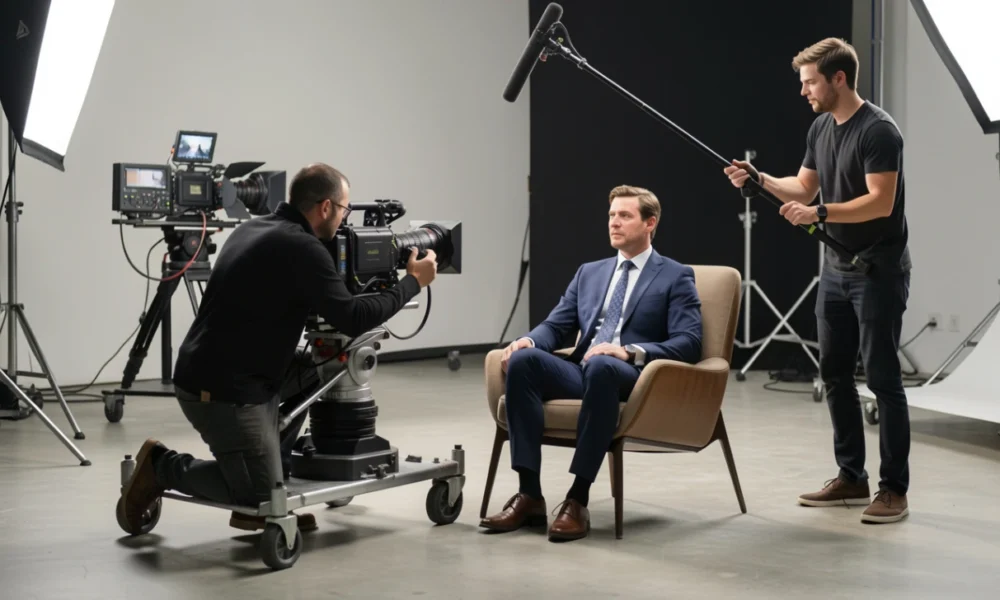
In modern digital marketing, video content is a primary channel for brand communication and audience engagement. A strategic approach to video ensures that content not only captures attention but also drives measurable business outcomes. Full-service video production refers to a comprehensive workflow where a single partner manages a project from initial concept through to final delivery and distribution.
Table Of Content
- Understanding the Full-Service Production Process
- Step 1: Defining Marketing Objectives and Key Performance Indicators
- Step 2: Audience Analysis and Message Development
- Step 3: Concept Development and Scriptwriting
- Step 4: The Role of Specialized Production Professionals
- Step 5: Production Quality and Technical Standards
- Step 6: Post-Production and Content Refinement
- Step 7: Platform-Specific Optimization and Distribution
- Step 8: Integrating Clear Calls-to-Action
- Budget Considerations and Return on Investment
- Measuring Video Performance
- Conclusion: Strategic Value of Full-Service Production
This model provides integrated oversight of scripting, filming, post-production, and optimization. For marketing teams, this approach removes the complexity of coordinating multiple vendors and ensures creative consistency. This guide outlines the essential stages of working with a full-service production partner to create effective marketing videos.
Understanding the Full-Service Production Process
A full-service video production company acts as an extension of your marketing team. Unlike freelancers or fragmented services that handle only one aspect of production (such as filming or editing), a full-service agency provides end-to-end project management. This structure maintains brand voice and message clarity throughout every phase.
The process is typically divided into three main stages:
- Pre-Production: Strategy, scripting, storyboarding, casting, and location scouting.
- Production: The actual filming, directing, audio capture, and lighting.
- Post-Production: Video editing, color correction, sound design, motion graphics, and final rendering.
Step 1: Defining Marketing Objectives and Key Performance Indicators
Before any creative work begins, alignment on business goals is required. A production partner needs to understand the specific function of the video within your sales or communication funnel.
Common objectives for video marketing projects include:
- Brand Awareness: Focusing on reach and storytelling to introduce your company to new audiences.
- Lead Generation: Using explainer videos or demos to capture viewer information.
- Sales Conversion: Creating product demonstrations or testimonials that build trust and drive purchases.
- Customer Education: Developing tutorial content that reduces support queries and increases product adoption.
Clear objectives allow the production team to craft a script and visual style that serves a specific purpose. They also establish the metrics for measuring success after launch.
Step 2: Audience Analysis and Message Development
Content must resonate with its intended viewers. Full-service production begins with audience research to understand demographic factors, viewing habits, and content preferences.
Key audience considerations include:
- Platform Preferences: Where does the audience primarily watch video (LinkedIn, TikTok, YouTube, a company website)?
- Pain Points: What specific problems does the audience need solved?
- Content Format: Do they prefer short, fast-paced content or long-form, in-depth narratives?
With this data, the production team develops a message that speaks directly to the viewer’s needs. This ensures the video communicates value rather than just broadcasting information.
Step 3: Concept Development and Scriptwriting
The concept phase transforms marketing goals and audience insights into a creative blueprint. The production team collaborates with stakeholders to brainstorm visual approaches and narrative structures.
A robust concept includes:
- Storyline: A narrative arc that maintains viewer interest.
- Visual Components: The proposed style, mood, and aesthetic of the video.
- Key Messaging: The primary points the video must communicate.
Once the concept is approved, the scriptwriting process begins. A professional script is more than dialogue; it includes visual direction, tone, and pacing. This document serves as the reference point for all subsequent production activities, keeping the project focused on the original objectives.
Step 4: The Role of Specialized Production Professionals
Full-service production provides access to a coordinated team of specialists. Each role contributes specific expertise to the project.
| Role | Primary Responsibility |
|---|---|
| Director | Oversees the creative vision and guides talent performance. |
| Scriptwriter | Develops dialogue and narrative structure. |
| Director of Photography (DP) | Manages camera work, lighting, and visual composition. |
| Sound Engineer | Ensures high-quality audio capture during filming. |
| Editor | Assembles raw footage, manages pacing, and integrates graphics. |
| Motion Graphics Artist | Creates animated elements and text overlays. |
Working with a full-service team means these professionals operate within a shared workflow. This coordination reduces miscommunication and results in a final product where all technical and creative elements are aligned.
Step 5: Production Quality and Technical Standards
Production quality directly influences audience perception of a brand. High-definition visuals and clear audio are baseline expectations for professional video content. Investing in quality involves using industry-standard equipment and experienced technicians.
Factors that determine production quality include:
- Lighting: Proper lighting setups create depth and ensure subjects are visible and flattering.
- Audio: Clean, crisp sound is critical; poor audio often leads viewers to stop watching.
- Set Design: Backgrounds and environments should support the brand image without distracting from the message.
- Camera Equipment: Professional cameras and lenses provide higher resolution and better color depth than consumer equipment.
While quality is important, it should serve the story. The most effective videos combine high technical standards with authentic, engaging content.
Step 6: Post-Production and Content Refinement
Post-production is where raw footage is shaped into a finished video. This phase involves several layers of refinement.
- Video Editing: The editor selects the best takes, structures the sequence, and sets the pacing.
- Color Correction: Technicians adjust colors to ensure consistency and create a specific mood.
- Sound Design and Mixing: Audio levels are balanced, background music is added, and sound effects are integrated.
- Motion Graphics: Animated text, logos, and data visualizations are added to reinforce key messages.
During this phase, the production team typically provides rough cuts for client review. Feedback cycles allow for adjustments while maintaining the project timeline.
Step 7: Platform-Specific Optimization and Distribution
A single video often needs to perform across multiple channels. Each platform has technical specifications and audience expectations that affect how content should be formatted.
- Social Media (Instagram, TikTok, Facebook): Shorter run times, square or vertical aspect ratios, and text overlays for sound-off viewing.
- YouTube: Supports longer formats, a widescreen (16:9) aspect ratio, and detailed descriptions.
- Company Website and Landing Pages: Can accommodate longer videos; autoplay features should be used carefully to avoid disrupting the user experience.
- Email Marketing: Requires consideration of file size and thumbnail selection to encourage clicks.
A full-service production company delivers assets in the required formats for each platform, ensuring the video displays correctly and performs optimally everywhere it is published.
Step 8: Integrating Clear Calls-to-Action
A call-to-action (CTA) directs viewers to the next step in their customer journey. The CTA should be specific, visible, and directly related to the video’s objective.
Effective CTAs are integrated naturally into the video content:
- Verbal Cues: The speaker explicitly states what the viewer should do (e.g., “Visit our website to download the guide”).
- Visual Overlays: Text and buttons appear on screen during the final seconds of the video.
- End Screens: YouTube and other platforms allow for clickable elements at the video’s conclusion.
The CTA must provide a clear and simple path for the viewer to convert, whether that is visiting a landing page, subscribing to a channel, or contacting the sales team.
Budget Considerations and Return on Investment
Full-service video production requires a financial investment that reflects the scope of work, crew size, equipment, and post-production complexity. Pricing models vary; some agencies charge a flat project fee, while others bill on an hourly or daily basis.
Evaluating return on investment (ROI) depends on the initial objectives:
- For awareness campaigns: ROI is measured in views, reach, and engagement metrics.
- For direct response, ROI is calculated through conversion rates and revenue generated from the video.
- For evergreen content, ROI is assessed over time through sustained traffic and lead generation.
A well-planned video asset can be used for months or years, providing long-term value across multiple marketing campaigns.
Measuring Video Performance
After the video is published, performance data informs future content strategy. Key metrics to track include:
- View Count: The total number of times the video has been watched.
- Watch Time and Retention Rate: How long viewers stay engaged and at what point they drop off.
- Engagement: Likes, comments, and shares indicate how the audience is reacting.
- Click-Through Rate (CTR): The percentage of viewers who click on the CTA.
- Conversion Rate: The percentage of viewers who complete a desired action, such as filling out a form.
This data helps marketers understand what resonates with their audience and provides insights for optimizing future video projects.
Conclusion: Strategic Value of Full-Service Production
Full-service video production offers a structured path from concept to completed content. By partnering with a team of specialists, businesses can produce videos that are technically polished, strategically aligned, and optimized for their target platforms. The process requires clear objectives, thorough planning, and ongoing collaboration. When executed correctly, video content becomes a high-value asset that builds brand credibility, communicates complex messages, and drives audience action.