

Functional Rhinoplasty: Techniques, Benefits, and Recovery for Nasal Breathing Improvement
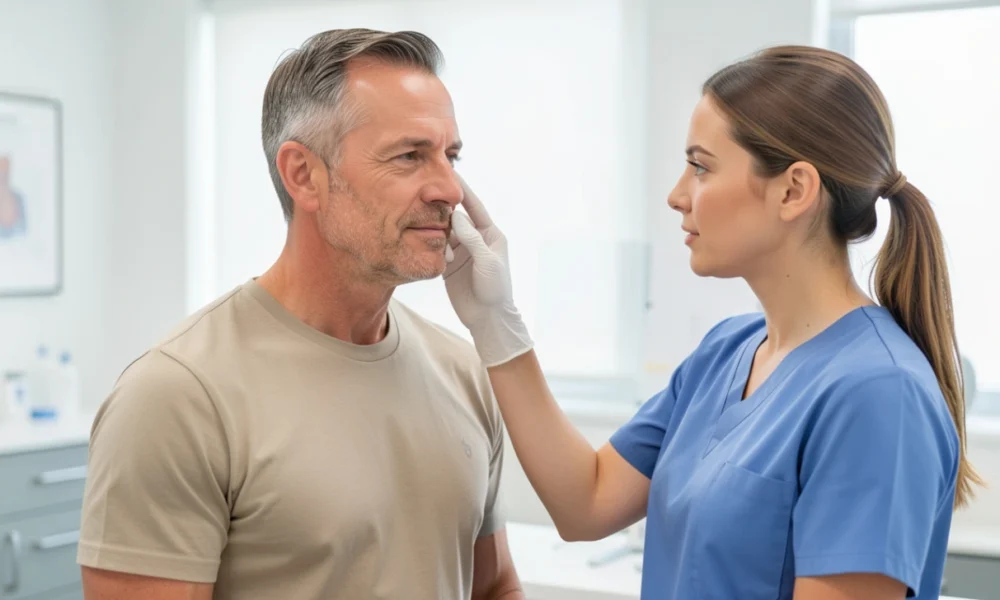
Functional rhinoplasty is a surgical procedure designed to improve nasal breathing by correcting structural problems inside the nose. Unlike cosmetic rhinoplasty, which focuses primarily on appearance, functional rhinoplasty addresses issues such as a deviated septum, weak nasal valves, or enlarged turbinates that obstruct airflow. Many patients undergo this procedure to relieve symptoms like chronic nasal congestion, difficulty breathing during exercise, and loud snoring. In many cases, surgeons combine functional improvements with aesthetic refinements, allowing patients to breathe better while also enhancing facial harmony.
Table Of Content
- The Basics: What Functional Rhinoplasty Addresses
- Different Techniques of Functional Rhinoplasty
- Sptoplasty
- Turbinate Reduction
- Nasal Valve Repair
- Cartilage Grafting
- Ultrasonic (Piezo) Rhinoplasty
- Benefits of Functional Rhinoplasty
- Candidacy and Consultation
- Recovery and What to Expect
- Costs and Insurance Considerations
- Questions to Ask Your Surgeon
- Conclusion
Understanding the full scope of functional rhinoplasty—from the specific techniques used to the recovery timeline and expected outcomes—helps patients make informed decisions about their care.
The Basics: What Functional Rhinoplasty Addresses
Functional rhinoplasty targets physical obstructions within the nasal passages. The nose is divided into two airways by the nasal septum, a wall made of cartilage and bone. When this septum is displaced to one side—a condition known as a deviated septum—it can narrow or block one or both nasal passages . Other common sources of obstruction include:
- Turbinate hypertrophy: Turbinates are small, shell-like structures inside the nose that warm and humidify air. When they become swollen or enlarged, they can restrict airflow.
- Nasal valve collapse: The nasal valve is the narrowest part of the nasal airway, located just inside the nostril. Weakness or collapse of this area during inhalation can cause significant breathing difficulty.
- Previous trauma or injury: A broken nose or other facial injury can alter nasal structure and impair function.
Functional rhinoplasty techniques are designed to correct these specific problems, restoring normal airflow and improving quality of life .
Different Techniques of Functional Rhinoplasty
Several surgical techniques fall under the umbrella of functional rhinoplasty. The choice of technique depends on the underlying cause of the breathing difficulty, the patient’s anatomy, and whether cosmetic changes are also planned. Surgeons may perform these procedures using either an open approach (a small incision across the columella, the strip of tissue between the nostrils) or a closed approach (incisions hidden entirely inside the nose) .
Sptoplasty
Septoplasty is the most common functional rhinoplasty procedure. It involves straightening the deviated septum and repositioning it in the center of the nose. The surgeon makes an incision inside the nose, lifts the mucous membrane lining, and removes or reshapes the crooked cartilage and bone . Byopening the nasal passages, septoplasty relieves obstruction and allows air to flow more freely. This procedure is frequently performed alongside other functional or cosmetic modifications.
Turbinate Reduction
When enlarged turbinates contribute to nasal blockage, a turbinate reduction may be performed. The surgeon reduces the size of the turbinates using one of several methods: removing a small amount of bone and tissue, using radiofrequency energy to shrink the tissue, or moving the turbinates outward to open the airway. Turbinate reduction is often combined with septoplasty to maximize nasal airflow.
Nasal Valve Repair
The nasal valve is a critical regulator of airflow. If it is weak, narrowed, or collapsed, breathing becomes difficult, especially during deep inhalation. Nasal valve repair involves reinforcing this area, often by placing small cartilage grafts (taken from the septum or ear) to support the sidewall of the nose. This technique restores structural integrity and prevents collapse during breathing.
Cartilage Grafting
In cases where the nasal structure lacks sufficient support, surgeons may use cartilage grafting. Cartilage is typically harvested from the nasal septum, ear, or ribs. These grafts are used to rebuild or strengthen areas of the nose, improving both function and appearance . For example, spreader grafts can be placed between the septum and the upper lateral cartilages to open the internal nasal valve and straighten the nasal dorsum.
Ultrasonic (Piezo) Rhinoplasty
Ultrasonic rhinoplasty, also known as piezo rhinoplasty, is a modern technique that uses ultrasonic vibrations to precisely cut and shape the nasal bone. This method causes less trauma to surrounding soft tissues compared to traditional instruments, resulting in reduced bruising and swelling. Studies show that piezoelectric systems can reduce postoperative bruising by up to 53% compared to conventional tools. Patients undergoing functional rhinoplasty with ultrasonic techniques often experience faster recovery and less discomfort.
Benefits of Functional Rhinoplasty
The primary benefit of functional rhinoplasty is improved nasal breathing. Patients who cocannotreathe comfortably through their nose often report significant relief after surgery. This improvement affects many aspects of daily life:
- Better sleep: Reduced airway obstruction can decrease snoring and improve sleep quality.
- Enhanced exercise tolerance: Easier nasal breathing during physical activity improves performance and comfort.
- Reduced sinus infections: By improving drainage and airflow, functional rhinoplasty may decrease the frequency of sinus infections.
- Increased energy and focus: Restful sleep and easier breathing contribute to better daytime concentration and energy levels.
Beyond functional gains, many patients also experience aesthetic improvement. Correcting structural abnormalities often enhances facial balance and harmony. Even when ca osmetic change is not the primary goal, patients may notice a more refined nasal appearance after surgery.
Recent data iindicatethat quality of life improves significantly after functional rhinoplasty, even in older adults. A 2024 study recorded a 32% quality-of-life improvement in patients over 60 following functional rhinoplasty, leading to broader insurance coverage for these procedures .
Candidacy and Consultation
Ideal candidates for functional rhinoplasty are individuals who experience persistent nasal obstruction that affects their quality of life. Common signs include mouth breathing, chronic stuffiness, difficulty sleeping, and reduced ability to exercise. Before recommending surgery, a surgeon will perform a thorough evaluation, which may include:
- A detailed medical history and physical examination
- Nasal endoscopy to visualize internal structures
- Imaging studiessuchh as a CT scan, in complex cases
Patients should be in good general health and have realistic expectations about surgical outcomes. It is important to note that functional rhinoplasty is generally not recommended for individuals underthe age of 15–17, as nasal growth may not be complete. Additionally, certain medical conditions—such as bleeding disorders, uncontrolled high blood pressure, or severe mental health conditions—may increase surgical risks and should be discussed with the surgeon
Recovery and What to Expect
Recovery from functional rhinoplasty varies depending on the techniques used and the extent of surgery. Modern methods, particularly ultrasonic rhinoplasty, have made recovery faster and more comfortable.
First week: Most patients experience swelling, bruising around the eyes, and nasal stuffiness. Splints or packing may be placed inside the nose to support healing structures. These are typically removed within one week. Patients are advised to rest with their head elevated and avoid strenuous activity. Approximately 60% of swelling decreases within the first 3–5 days
First month: The majority of visible swelling resolves, and most patients return to work. and social activities after about one week . Breathing continues to improve as internal swelling subsides. Patients should avoid contact sports and heavy lifting during this period.
Long-term healing: Nasal tissues continue to refine over several months. The final cosmetic result may take 6–12 months to fully manifest, though functional improvements are usually evident much earlier . Patients who undergo cartilage grafting or more complex reconstruction may have a longer healing trajectory.
Costs and Insurance Considerations
The cost of functional rhinoplasty depends on the complexity of the procedure, the surgeon’s experience, geographic location, and facility fees. In the United States, patients can expect costs to range from several thousand to over ten thousand dollars.
Because functional rhinoplasty addresses medical problems—such as a deviated septum that impairs breathing—it may be partially or fully covered by health insurance. However, coverage varies widely between plans. Insurance typically covers the functional portion of the procedure (e.g., septoplasty, turbinate reduction) but may not cover cosmetic components. Patients should obtain pre-authorization from their insurer and clarify what is included before scheduling surgery.
For patients paying out of pocket, many surgeons offer financing options. When researching costs, transparency is key: patients should ask for a detailed breakdown of surgeon fees, anesthesia, facility time, and any necessary postoperative care .
Questions to Ask Your Surgeon
Patients considering functional rhinoplasty should schedule consultations with board-certified surgeons who have specific experience in nasal airway surgery. During these consultations, it is helpful to ask:
- What is the underlying cause of my breathing difficulty?
- Which specific techniques do you recommend for my anatomy?
- Will my procedure be an open or closed rhinoplasty?
- What are the risks and potential complications?
- How much improvement in breathing can I realistically expect?
- What does recovery look like day by day?
- Can I see before-and-after photos of patients with similar concerns?
- What is included in the quoted cost?
- What is your revision policy?
- How many functional rhinoplasty procedures do you perform annually?
Patients increasingly ask for personalized risk assessments and outcome data rather than generic information. A qualified surgeon should be able to provide clear, evidence-based answers.
Conclusion
Functional rhinoplasty encompasses a range of surgical techniques designed to correct structural nasal abnormalities and improve breathing. From septoplasty and turbinate reduction to advanced methods like ultrasonic rhinoplasty and cartilage grafting, these procedures offer lasting relief for individuals suffering from nasal obstruction. By restoring normal airflow, functional rhinoplasty enhances sleep, exercise tolerance, and overall quality of life. With modern surgical refinements and faster recovery protocols, patients can achieve both functional improvement and natural-looking results that harmonize with their facial features.