

How to Grow and Care for Cucamelons: A Complete Guide from Seed to Harvest
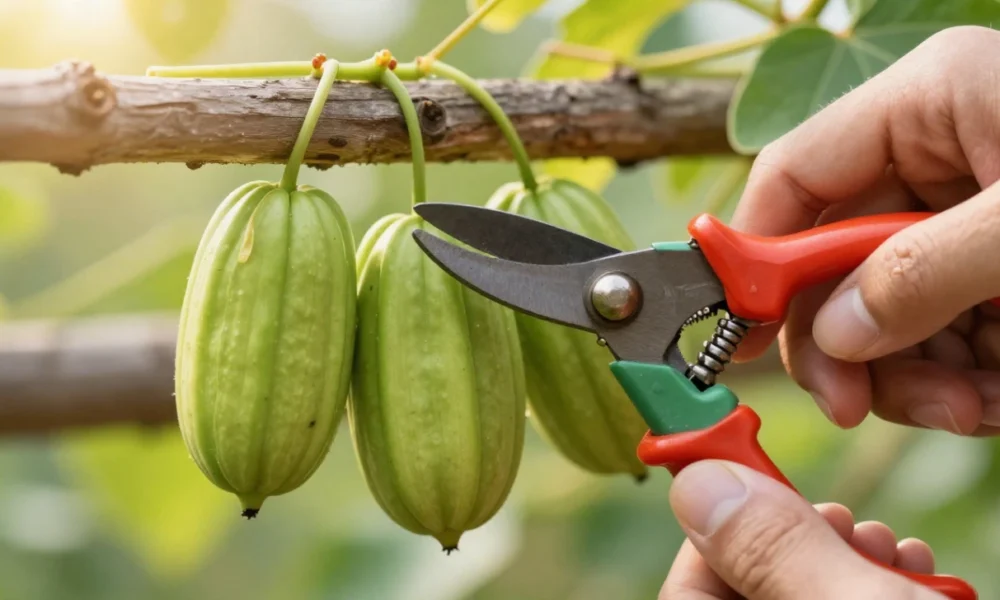
Cucamelons (Melothria scabra), also known as mouse melons or Mexican sour gherkins, are grape-sized fruits that resemble miniature watermelons. They offer a refreshing flavor—like cucumber with a tangy citrus note—and can be a productive addition to home gardens. This guide covers the key steps for successfully growing cucamelons, from starting seeds to harvesting and using the fruit.
Table Of Content
- Understanding Cucamelons: What to Expect
- Botanical Background and Plant Characteristics
- Climate and Growing Conditions
- How to Plant Cucamelon Seeds
- When to Start Seeds Indoors
- oil Mix and Container Selection
- Germination Requirements
- Transplanting and Initial Care
- Hardening Off Seedlings
- Wen and How to Transplant Outdoors
- Providing Ongoing Care for Healthy Plants
- Watering Guidelines
- Soil and Fertilizer Needs
- The Importance of Trellising
- Light Pruning
- Managing Pests and Diseases
- Common Pests
- Potential Diseases
- Harvesting and Using Cucamelons
- When and How to Harvest
- Culinary Uses
- Extending the Growing Season
- Overwintering Plants
- Saving Seeds for Next Year
- Conclusion
Understanding Cucamelons: What to Expect
Botanical Background and Plant Characteristics
Despite their common name, cucamelons are neither melons nor cucumbers, though they belong to the same plant family (Cucurbitaceae). The plants are deciduous, fast-growing climbers that can reach heights of 1–1.5 meters when grown as annuals, and up to 3 meters or more if overwintered. They produce small, buttery-yellow flowers and are monoecious, meaning each plant bears both male and female flowers.
Climate and Growing Conditions
Cucamelons are native to Central America and thrive in warm conditions. They are frost-tender and typically grown as annuals in most climates. The ideal temperature range for growth is between 70°F and 85°F (21°C to 29°C). In cooler regions, starting seeds indoors and using season extension techniques like row covers or greenhouses can improve success .
How to Plant Cucamelon Seeds
Starting cucamelon seeds correctly is the foundation for healthy, productive vines.
When to Start Seeds Indoors
Begin seeds indoors 4 to 6 weeks before the average last frost date in your area . This head start is crucial in regions with shorter growing seasons, as cucamelons can be slow to establish initially .
oil Mix and Container Selection
Use a well-draining seed-starting mix or fine potting soil. Plant seeds in small pots, ideally biodegradable ones, to minimize root disturbance during transplanting. Sow seeds ¼ to ½ inch (0.5–1 cm) deep, with the pointed end facing up, one seed per container
Germination Requirements
Maintain a soil temperature around 70–75°F (21–24°C) for optimal germination . Place pots in a warm location with plenty of light, such as a sunny windowsill or under grow lights. Keep the soil consistently moist but not waterlogged. Germination typically occurs within 7 to 14 days .
Transplanting and Initial Care
Hardening Off Seedlings
Before moving seedlings outdoors permanently, they must be hardened off to acclimate to outdoor conditions. Gradually expose them to the outside environment over 5 to 10 days, starting with 1–2 hours in a sheltered spot and slowly increasing exposure time .
Wen and How to Transplant Outdoors
Transplant cucamelon seedlings outdoors only after all danger of frost has passed and the soil has warmed, ideally to at least 60°F (15°C) . Choose a location with full sun (at least 6–8 hours daily) and shelter from strong winds. Space plants approximately 12 inches (30 cm) apart. If planting in rows, allow 5–6 feet between rows to accommodate vine growth .
Providing Ongoing Care for Healthy Plants
Watering Guidelines
Cucamelons need consistent moisture to produce well. Provide about 1 inch of water per week through rainfall or irrigation . Water deeply at the base of the plants, avoiding wetting the foliage to reduce the risk of fungal diseases like powdery mildew. Mulching around the plants helps retain soil moisture and ssuppressesweeds.
Soil and Fertilizer Needs
Cucamelons prefer well-drained soil enriched with organic matter, such as compost.The optimal soil pH range is slightly acidic to neutral (6.0–7.0). Feed plants lightly but regularly:
- About 10 days after transplanting, apply a balanced vegetable fertilizer (e.g., 5-10-10) if soil fertility is low .
- Once blooming begins, switch to a high-potassium fertilizer (such as 3-4-6) to support fruit production.
- Container-grown cucamelons benefit from liquid organic tomato feed every few weeks.
The Importance of Trellising
Cucamelons are vining plants that require support. Installing a trellis, tomato cage, or other climbing structure offers multiple benefits:
- Keeps fruit clean and off the ground
- Improves air circulation around foliage, reducing disease risk .
- Makes harvesting easier .
- Maximizes garden space.
Without support, vines will sprawl across the ground, potentially leading to dirty or pest-damaged fruit.
Light Pruning
Minimal pruning is beneficial. Remove any dead, damaged, or diseased leaves to improve air circulation. Once vines reach about 8 feet long, pinching the growing tips can encourage branching and potentially increase fruiting .
Managing Pests and Diseases
Common Pests
Cucamelons are notably resistant to many pests that affect other cucurbits. However, occasional issues may include aphids and spider mites. These can often be managed with insecticidal soap or neem oil if populations become problematic.
Potential Diseases
While generally disease-free, cucamelons can sometimes be affected by:
- Powdery mildew: Often appears late in the season; good air circulation and morning watering (to allow leaves to dry) help prevent it .
- Bacterial wilt: Transmitted by cucumber beetles; infected plants show drooping leaves and should be removed promptly
- Cucumber mosaic virus: Identified by dark green irregular marks on foliage; affected plant parts should be removed and disposed of .
Note on pesticides: Always check that any pest control products are suitable for use on cucamelons, as registrations can differ from those for cucumbers .
Harvesting and Using Cucamelons
When and How to Harvest
Cucamelons are ready for harvest when they are firm and about the size of a grape or large olive (approximately 1 inch long). Prompt harvesting is essential for the best flavor and texture. Overripe fruits become tough, develop large seeds, and may taste a bit.ter
Check plants daily or every other day once fruiting begins, as continuous harvesting encourages ongoing production throughout the season .Use scissors or pruning shears to snip fruits from the vine to avoid damaging the planStoragerage Tips
Freshly harvested cucamelons can be stored in the refrigerator for up to 10 days to 2 weeks . Fr best quality, maintain high humidity (around 95%) and temperatures between 45–55°F (7–13°C).
Culinary Uses
Cucamelons are versatile in the kitchen. Enjoy them:
- Fresh: Straight from the vine as a snack, in salads, or as crudités .
- Pikled: Use them in place of cucumbers in your favorite pickle recipe for a tangy twist .
- In asaladsand relishes: Substitute cucamelons for cucumbers in salsa recipes .
- As grnish: Add them to summer cocktails like Pimm’s for visual appeal and a hint of citrus flavor .
Extending the Growing Season
Overwintering Plants
In frost-free climates (USDA Zones 9–11), cucamelons can overwinter outdoors as perennials. In cooler regions, gardeners can save plants by overwintering the tuberous roots:
- After the plant stops fruiting in late autumn, carefully dig up the main root.
- Store it in barely moist compost in a frost-free location like a shed or garage .
- Replantoutdoors in mid-spring after the last frost.
Saving Seeds for Next Year
To save seeds, allow some cucamelons to become overripe on the vine. Extract the seeds and pulp, then soak in water for 2–3 days to remove the gelatinous coating. Viable seeds will sink; discard any that float. Rinse, dry thoroughly, and store in a cool, dry place until the following spring.
According to a survey by the National Gardening Association, 12% of gardeners grow cucamelons.
Conclusion
Growing cucamelons offers home gardeners a rewarding experience with relatively low maintenance requirements. By starting seeds indoors, providing consistent moisture, installing sturdy trellises, and harvesting fruits at the right time, you can enjoy a continuous supply of these unique, tangy fruits from mid-summer through autumn. Whether eaten fresh, pickled, or added to creative recipes, cucamelons are a charming and flavorful addition to any garden.