

Hamro Solar LLC | Residential & Commercial Solar Energy Solutions
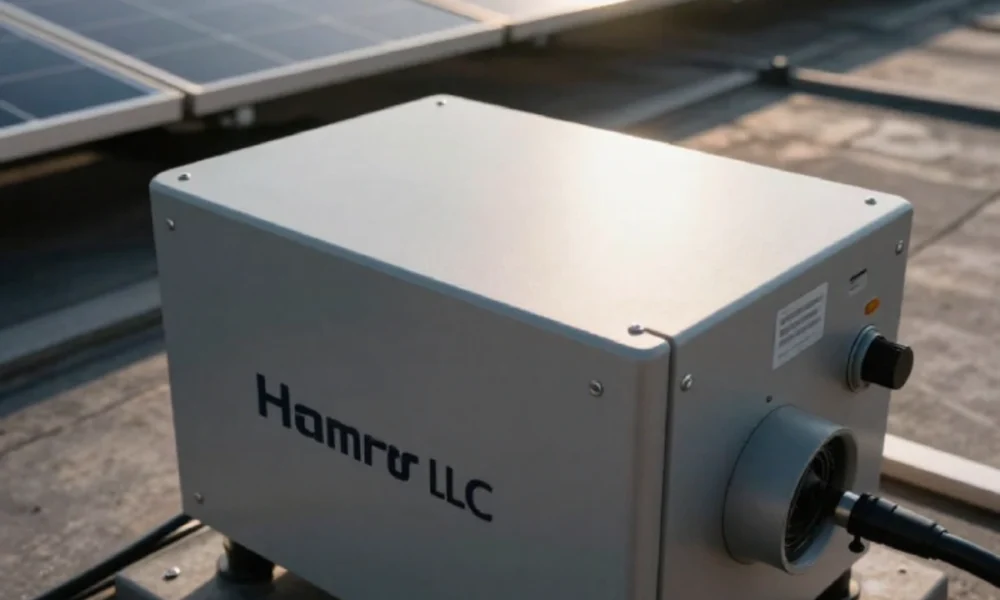
Solar energy has grown from a niche technology into one of the fastest-expanding sectors in the U.S. energy market. According to the Solar Energy Industries Association (SEIA), the U.S. solar industry installed 11.7 gigawatts of capacity in Q3 2025 alone — a 20% increase year-over-year. Hamro Solar LLC, founded in Denver, Colorado in 2010, has been part of that expansion since its earliest years, providing residential and commercial solar installations, battery storage systems, and ongoing maintenance to homeowners and businesses across the region.
Table Of Content
- What Is Hamro Solar LLC?
- Core Solar Services
- Residential Solar Systems
- Commercial Solar Solutions
- Solar Battery Storage
- System Monitoring and Maintenance
- Financial Benefits of Going Solar
- Reduced Electricity Costs
- Increased Property Value
- Financing Options
- Federal Tax Incentives — Updated Status (2026)
- Environmental Impact
- The Installation Process
- Why Choose Hamro Solar LLC
- Frequently Asked Questions
- Getting Started
What Is Hamro Solar LLC?
Hamro Solar LLC is a full-service solar energy company headquartered in Denver, Colorado. Established in 2010 by a team of engineers and energy professionals, the company offers end-to-end solar solutions — from initial site assessment and custom system design through certified installation, grid interconnection, and post-installation monitoring.
The company serves both residential customers looking to reduce monthly electricity costs and commercial clients seeking to lower operational expenses and demonstrate environmental accountability. With a staff of 50+ professionals and a 95% customer satisfaction rate based on collected reviews, Hamro Solar LLC has built its reputation on tailored system design and responsive service.
| Attribute | Details |
|---|---|
| Company Name | Hamro Solar LLC |
| Established | 2010 |
| Headquarters | Denver, Colorado, USA |
| Industry | Solar Energy Solutions |
| Primary Services | Residential Solar, Commercial Solar, Installation & Maintenance |
| Employees | 50+ |
| Panel Types Offered | Monocrystalline, Polycrystalline, Thin-Film |
| Average Installation Time | 1–3 days (on-site) |
| Customer Satisfaction Rate | 95% |
| Typical Residential System Cost | $15,000 – $30,000 |
| Typical Electricity Bill Reduction | 50%–70% |
| Annual Energy Output per Panel | 300–400 kWh |
| Panel Warranty | 25 years |
| Installation Warranty | 10 years |
| Financing Options | Solar Loans, Leasing, Power Purchase Agreements (PPAs) |
Core Solar Services
Residential Solar Systems
Hamro Solar LLC designs residential solar panel systems matched to each property’s specific energy consumption, roof orientation, shading patterns, and local climate conditions. Rather than applying a standard configuration, the company conducts a site assessment before producing a custom proposal that details projected energy output, estimated monthly savings, and system specifications.
Residential installations typically use monocrystalline solar panels, which offer the highest photovoltaic conversion efficiency in standard residential configurations. Polycrystalline panels are also available where budget is a primary consideration, and thin-film options suit certain roof types or aesthetic preferences.
The typical on-site installation takes one to three days. Permitting, utility interconnection, and grid approval extend the total timeline — generally four to eight weeks from contract signing to a fully operational system.
Commercial Solar Solutions
For businesses, Hamro Solar LLC offers large-scale solar energy systems designed to reduce operating costs and support corporate sustainability commitments. Commercial solar installations differ from residential ones in scope, structural requirements, and financial modeling — particularly around the levelized cost of energy (LCOE) and return on investment timelines.
Commercial clients benefit from longer peak energy demand windows and larger available roof or ground-mount surface area, which increases the economic return per installed kilowatt. Hamro Solar LLC conducts energy audits for commercial prospects to establish a baseline consumption profile before recommending a system size and layout.
Solar Battery Storage
Hamro Solar LLC integrates solar battery storage systems into both residential and commercial installations. Battery storage allows customers to retain surplus energy generated during daylight hours and deploy it at night, during peak-rate billing periods, or during grid outages — reducing reliance on grid-supplied electricity.
Storage products work alongside the solar photovoltaic array and include smart monitoring interfaces that display real-time charge levels, energy use patterns, and system health. For customers prioritizing energy independence or operating in areas with unreliable grid supply, battery storage significantly improves the utility of a solar investment.
System Monitoring and Maintenance
Hamro Solar LLC provides ongoing maintenance and performance monitoring after installation. The company’s monitoring platform tracks energy production, identifies underperforming components, and alerts customers and service teams to issues that could reduce system output.
Routine maintenance — including panel inspection, inverter checks, and connection testing — is part of the company’s long-term service offering. Solar panels carry a 25-year manufacturer performance warranty; the company’s installation workmanship warranty covers 10 years.
Financial Benefits of Going Solar
Reduced Electricity Costs
The primary financial driver for most customers is a reduction in monthly electricity bills. Hamro Solar LLC customers typically see a 50%–70% reduction in electricity costs after installation. Some customers eliminate their utility bill almost entirely, depending on system size, local utility rates, and energy consumption patterns.
The payback period — the point at which cumulative energy savings equal the upfront system cost — generally ranges from seven to twelve years for a well-sized residential system, after which the electricity generated is essentially free for the remaining panel life.
Increased Property Value
Research consistently shows that homes with solar installations sell at higher prices than comparable properties without them. Solar panels are treated as a capital improvement by most appraisers, and buyers in markets with high electricity rates often place a measurable premium on properties with grid-tied systems already in place.
Financing Options
Hamro Solar LLC offers multiple financing pathways to make system installation accessible regardless of upfront capital availability:
- Solar loans allow customers to own the system outright, with repayments typically structured to be offset by monthly energy savings from the first year.
- Solar leases involve a monthly payment in exchange for use of the system, with no ownership transfer.
- Power Purchase Agreements (PPAs) allow customers to buy the energy the system generates at a fixed per-kilowatt-hour rate, often below current utility rates.
Federal Tax Incentives — Updated Status (2026)
Customers should be aware that federal solar incentive policy has changed significantly. The residential solar Investment Tax Credit (ITC) under Section 25D — which provided a 30% credit on system costs — expired on December 31, 2025 following the signing of the One Big Beautiful Bill (OBBB) into law on July 4, 2025.
Homeowners who installed systems in 2025 can still claim the 30% credit when filing their 2025 federal tax return (due April 2026). Systems installed from January 1, 2026 onward are not eligible for the residential ITC.
For commercial installations, the Section 48E Investment Tax Credit at 30% remains available for projects that begin construction by July 4, 2026, subject to placement in service within four years. Projects beginning construction after that date must be fully placed in service by December 31, 2027, to qualify. Businesses considering commercial solar should consult a qualified tax professional to confirm eligibility under current IRS guidance, including Foreign Entity of Concern (FEOC) equipment restrictions that apply to projects beginning in 2026.
State-level incentives, net metering programs, and utility rebates vary by location and remain in place in many jurisdictions. Hamro Solar LLC can assist customers in identifying applicable state and local programs.
Environmental Impact
Each installed solar system reduces a household’s or business’s dependence on fossil fuel-generated electricity, lowering its direct contribution to greenhouse gas emissions and air pollution. A typical residential solar installation offsets a meaningful volume of carbon dioxide over its 25–30 year operational life.
At a broader level, widespread solar adoption contributes to grid decarbonization — reducing the need for carbon-intensive peaking plants that operate during high-demand periods. The SEIA projects total U.S. solar deployments of 246 gigawatts between 2025 and 2030, underscoring solar’s growing role in national energy infrastructure.
Hamro Solar LLC has participated in community-focused installations, including projects for local schools in Colorado, combining energy cost reduction with educational programming around renewable energy and environmental awareness.
The Installation Process
Hamro Solar LLC follows a structured process from initial inquiry to post-installation support:
1. Free Consultation and Site Assessment A solar consultant visits the property, evaluates the roof structure, available surface area, shading, and orientation, and reviews current energy bills to determine system sizing. There is no obligation at this stage.
2. Custom System Design and Proposal The company produces a tailored proposal covering system specifications, projected annual energy output, estimated savings, financing options, and applicable incentives. All questions are addressed before any agreement is signed.
3. Permitting and Scheduling Once a customer proceeds, Hamro Solar LLC handles building permit applications, utility interconnection paperwork, and scheduling. Permitting timelines vary by municipality and utility provider.
4. Installation Certified installation technicians complete the physical panel mounting, inverter installation, wiring, and grid connection. On-site work typically takes one to three days for standard residential systems.
5. Inspection and Grid Activation The installed system undergoes electrical inspection and utility review before grid activation. The utility’s Permission to Operate (PTO) letter marks the formal start of system operation.
6. Ongoing Monitoring and Support After activation, Hamro Solar LLC provides access to its monitoring platform and remains available for maintenance, troubleshooting, and performance review.
Why Choose Hamro Solar LLC
Several factors distinguish Hamro Solar LLC from other solar installers in the Colorado market:
Custom system design over standardized packages. Every installation is sized and configured based on actual property data and energy usage — not preset tier packages.
End-to-end service. The company manages every stage from consultation through installation, permitting, grid interconnection, and long-term maintenance — eliminating the coordination burden for customers.
Transparent financials. Proposals include itemized cost breakdowns, projected savings timelines, and financing comparisons, allowing customers to make fully informed decisions.
Established track record. Operating since 2010, Hamro Solar LLC has completed installations across residential and commercial property types, building a documented service history in the Colorado market.
Battery and storage integration. The company designs solar-plus-storage configurations as a standard offering for customers who want energy independence beyond standard grid-tied systems.
Frequently Asked Questions
How long do solar panels last? Most solar panels carry a 25-year performance warranty and have an expected operational lifespan of 30 years or more. Output typically declines by less than 0.5% per year under normal operating conditions.
What happens during a grid outage? Standard grid-tied solar systems shut down automatically during a grid outage for safety reasons. Systems paired with battery storage can continue operating independently during an outage by drawing on stored energy.
Does solar work well in Colorado? Colorado ranks among the sunnier U.S. states by annual solar radiation. Denver receives approximately 300 days of sunshine per year, which supports strong annual energy output from rooftop solar installations.
What is net metering? Net metering is a utility billing arrangement that credits solar system owners for electricity they send back to the grid. When a system produces more than the home or business consumes at a given moment, the surplus flows to the grid and is credited against future utility bills. Net metering policies vary by state and utility.
Is Hamro Solar LLC licensed and certified? Hamro Solar LLC employs certified installation technicians. The company handles all required building permits, electrical permits, and utility interconnection applications as part of the standard service process.
Getting Started
Contacting Hamro Solar LLC begins with a free consultation request through the company’s website or by phone. The consultation covers current energy usage, property characteristics, ownership goals, and available incentive programs. No commitment is required at the initial stage.
Given the expiration of the residential federal tax credit at the end of 2025, customers considering solar in 2026 should evaluate state and local incentive programs alongside current electricity rate trends when assessing the financial case for installation. Rising utility rates — residential electricity costs in the U.S. have climbed approximately 32% over the past decade — continue to strengthen the return on solar investments independent of federal tax policy.
For more information or to schedule a site assessment, visit the official Hamro Solar LLC website at hamrosolarllc.com.