

How Snow Affects Asphalt Shingles | How to Protect Your Roof This Winter
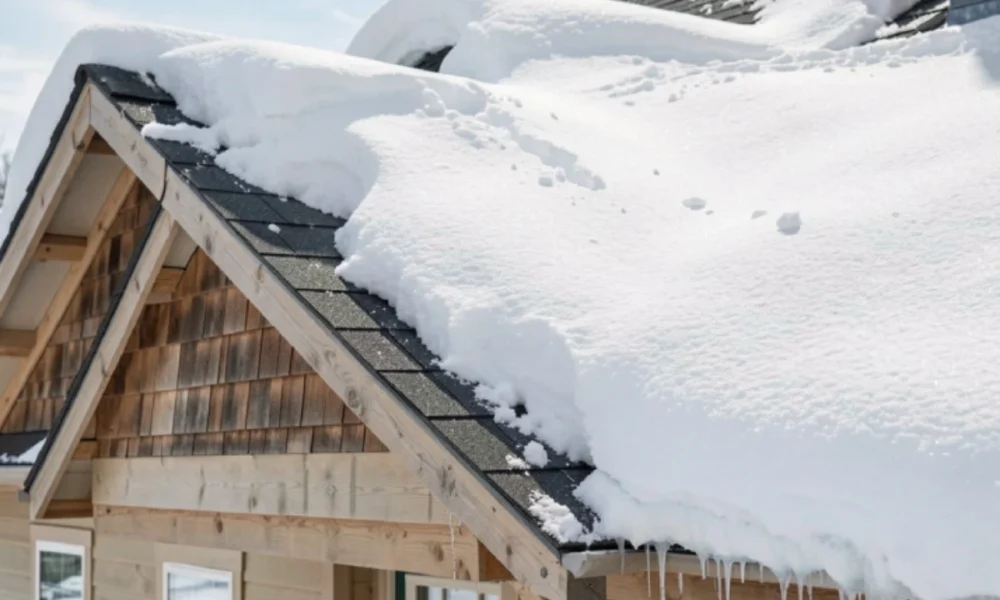
How Snow Affects Asphalt Shingles. Asphalt shingles are the most widely used residential roofing material in the United States, valued for their cost-effectiveness and relatively long lifespan of 15 to 30 years when properly maintained. But winter weather places particular stress on them. Snow accumulation, ice formation, and fluctuating temperatures can all accelerate wear — or cause outright structural damage — if left unmanaged.
Table Of Content
- How Snow Damages Asphalt Shingles
- Weight Load and Structural Stress
- Ice Dam Formation
- Freeze-Thaw Cycles
- Moisture and Granule Loss
- Risks of Unmanaged Snow Accumulation
- Preventive Measures Before Winter
- Inspect and Repair Shingles in Autumn
- Clear and Inspect Gutters
- Attic Insulation and Ventilation
- Ice and Water Shield at Eaves
- Snow Guards
- Safe Snow and Ice Removal
- Use a Roof Rake
- Avoid Salt and De-Icing Chemicals
- Do Not Chip or Chop Ice
- When to Call a Professional
- Maintaining Asphalt Shingles Through Winter
How Snow Damages Asphalt Shingles
Weight Load and Structural Stress
Fresh snow weighs roughly 20 pounds per cubic foot, while wet, compacted snow can exceed 60 pounds per cubic foot. As snow accumulates across a roof surface, the combined load places stress on both the shingles and the underlying roof deck. Over time — or after a single heavy storm — this added weight can cause shingles to crack, the roof deck to bow, or the overall structure to sag. Roofs that already have minor damage or aging materials are especially vulnerable.
Ice Dam Formation
Ice dams are one of the most common causes of winter roof leaks. They form when heat escaping through the attic warms the upper roof surface, melting the snow there. That meltwater flows downward and refreezes at the colder eave line, forming a ridge of ice. As additional snowmelt backs up behind this ice barrier, water is forced beneath the shingles. Even though asphalt shingles are water-resistant, they are not designed to stop water that is pushed up underneath them. Once water infiltrates the roof deck, it can cause rot, mold growth, and damage to attic insulation.
Freeze-Thaw Cycles
Temperature fluctuations throughout winter are particularly damaging to older or already-compromised shingles. When daytime temperatures rise above freezing and nighttime temperatures drop below, any moisture that has seeped into small cracks in the shingles expands as it freezes. Repeated cycles of this expansion and contraction loosen shingle adhesion, cause curling or cracking, and accelerate granule loss. Granules protect shingles from ultraviolet exposure and provide fire resistance — without them, shingles deteriorate significantly faster.
Moisture and Granule Loss
Extended periods of snow coverage keep shingles in prolonged contact with moisture. This can degrade the asphalt layer and the fiberglass or organic mat beneath it. As shingles lose granules — whether from ice movement, snow removal, or the freeze-thaw cycle — the exposed surface becomes more susceptible to UV damage during warmer months and water penetration during cold ones.
Risks of Unmanaged Snow Accumulation
Roof leaks and water infiltration: Compromised or lifted shingles allow water to penetrate the roof deck and reach the attic, walls, and ceilings below.
Mold and rot: Moisture trapped in the roof system creates conditions favorable for mold growth and wood rot, both of which can spread and become expensive to remediate.
Shortened shingle lifespan: Repeated winter stress can reduce the effective lifespan of asphalt shingles well below the 15–30 year range typical of properly maintained roofs.
Gutter and downspout damage: Ice dams can pull gutters away from the fascia under their own weight, disrupting drainage and causing additional water management problems.
Premises liability: In some jurisdictions, property owners may be legally responsible for injuries caused by falling snow or ice from their roofs. Installing preventive measures reduces this risk.
Preventive Measures Before Winter
Inspect and Repair Shingles in Autumn
Before the first frost, inspect the roof for missing, cracked, curled, or granule-depleted shingles. Damaged shingles should be replaced before winter arrives — snow and ice worsen existing weaknesses quickly.
Clear and Inspect Gutters
Clogged gutters prevent proper drainage when snow begins to melt. Backed-up water at the eaves accelerates ice dam formation. Clean gutters of leaves, debris, and standing water before temperatures drop.
Attic Insulation and Ventilation
Proper attic insulation with a high R-value minimizes heat transfer from the living space to the underside of the roof deck. This reduces the uneven roof surface temperatures that cause ice dams. Adequate roof ventilation — through ridge vents, soffit vents, or both — allows cold outside air to circulate under the roof deck, keeping the entire surface at a more consistent temperature. The Asphalt Roofing Manufacturers Association (ARMA) identifies ventilation and moisture control as key components of cold-weather roof performance.
Ice and Water Shield at Eaves
Installing a self-adhering ice and water shield underlayment at the eaves before re-roofing provides an additional barrier against water infiltration in the areas most vulnerable to ice dam backup.
Snow Guards
Snow guards are devices mounted on the roof surface that slow the release of accumulated snow, preventing large masses from sliding off all at once. Two main types are used on asphalt shingle roofs. Snow birds — small, individual-unit guards — are the most common choice for shingle roofs, effective for moderate snow loads and available in colors to match the shingles. Snow rails, which are long horizontal bars, are better suited for steep-pitch roofs in high-snowfall regions. Professional installation is recommended to avoid creating new leak points.
Safe Snow and Ice Removal
Use a Roof Rake
A long-handled roof rake with a soft plastic head allows homeowners to pull snow off the lower sections of the roof from ground level. This reduces snow load and limits ice dam formation without requiring anyone to walk on the roof. The ARMA specifically warns against using shovels, scrapers, or foot traffic for snow removal, as shingles become significantly more brittle in cold temperatures and are prone to breakage under foot pressure.
Avoid Salt and De-Icing Chemicals
Calcium chloride or sodium chloride products used to melt ice on walkways can accelerate granule loss on asphalt shingles and damage metal flashing, gutters, and downspouts. If chemical intervention is necessary to address a specific ice dam, use a product rated safe for roofing materials, or consult a roofing professional.
Do Not Chip or Chop Ice
Attempting to break up ice dams with an axe, ice pick, or similar tool risks cracking or dislodging shingles and may void manufacturer warranties. The safer approach is gradual removal using a roof rake combined with improved attic conditions to eliminate the underlying cause.
When to Call a Professional
Some winter roof situations call for professional involvement rather than DIY management.
Heavy or compacted snow accumulation that significantly exceeds the roof’s typical snow load should be handled by a contractor with appropriate equipment, particularly on roofs with existing structural concerns.
Steep or high roofs present serious fall hazards in winter. Even experienced homeowners should avoid roof access when ice or frost may be present on the surface.
Visible damage after a storm — including missing shingles, sagging roof sections, water stains on interior ceilings, or ice dams more than a few inches thick — warrants a professional assessment. A roofing contractor can identify whether damage is limited to surface materials or has reached the roof deck and framing.
Active leaks or interior moisture should be addressed immediately. Water that has already entered the home through the roof system requires both temporary weatherproofing and a full inspection to identify the source.
Maintaining Asphalt Shingles Through Winter
Consistent maintenance is more effective than reactive repairs. A brief inspection after each major snowstorm — from ground level, using binoculars if needed — can help identify loose shingles, damaged flashing, or ice dam buildup before the situation worsens. A full professional inspection each spring allows any winter damage to be assessed and repaired before warmer months expose the roof to UV degradation and summer storms.
Asphalt shingles can perform reliably through harsh winters when the roof system as a whole — shingles, underlayment, attic insulation, and ventilation — is properly maintained. Addressing weak points before cold weather arrives, managing snow load during the season, and arranging prompt repairs after storms are the most effective ways to extend roof life and avoid costly damage.