

How to Protect Your Car from Weather Damage: Simple Tips That Actually Work
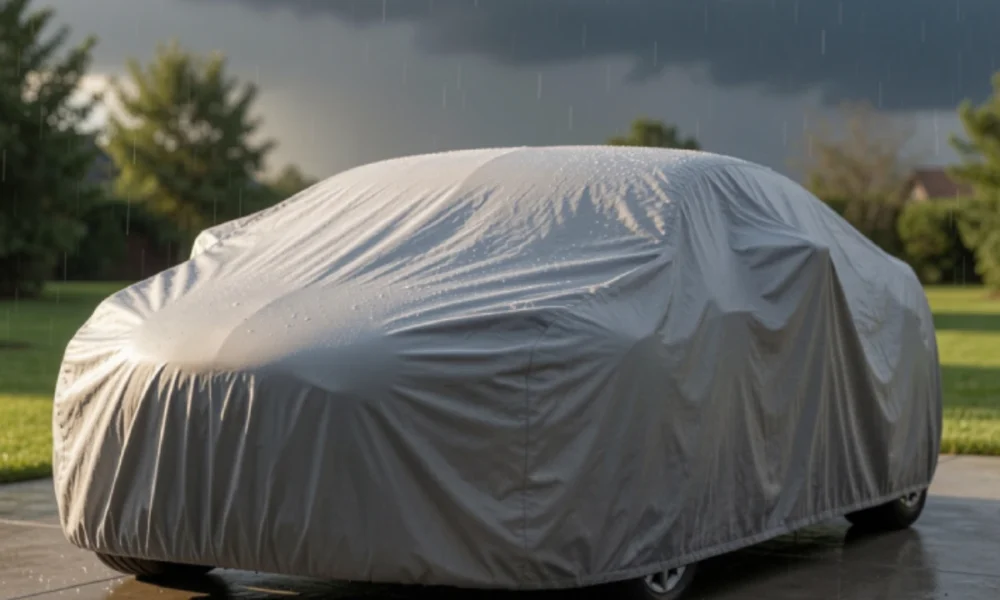
How to Protect Your Car from Weather Damage: Simple Tips That Actually Work! Weather can quietly ruin a car faster than most people expect. One week it is blazing sun, the next it is heavy rain, dust, hail, or freezing mornings. Over time, all of that exposure can fade paint, crack trim, wear out wipers, damage the interior, and even affect how your car performs.
Table Of Content
- Why Weather Damage Happens
- Park Smart Whenever You Can
- Best Parking Choices
- Use a Good Car Cover
- Wash Your Car Regularly
- How Often Should You Wash It?
- Protect the Paint with Wax or Sealant
- Quick Comparison
- Protect the Interior from Sun and Heat
- Watch Out for Rain and Moisture
- Rain Protection Tips
- Protect Your Car in Winter
- Winter Car Care Checklist
- Be Ready for Hail and Storms
- Do Seasonal Checks
- Simple Habits That Make the Biggest Difference
- Final Thoughts
- FAQ
- How can I protect my car from sun damage?
- Is a car cover good for weather protection?
- How often should I wash my car to prevent weather damage?
- Can rain damage a car?
- What is the best way to protect a car parked outside?
The good news is that protecting your car from weather damage does not have to be expensive or complicated. A few smart habits can make a big difference and help your car stay cleaner, safer, and in better shape for years.
Why Weather Damage Happens
Your car deals with more than just dirt from the road. Different weather conditions attack different parts of the vehicle.
- Sun can fade paint and dry out plastic and rubber
- Rain can leave water spots and support rust in neglected areas
- Snow and ice can freeze seals, stress batteries, and hide corrosive grime
- Hail can dent body panels and crack glass
- Wind can push dust and debris against the paint
- Extreme heat and cold can affect tire pressure, fluids, and interior materials
If you leave your car unprotected long enough, small issues can turn into expensive repairs.
Park Smart Whenever You Can
One of the easiest ways to protect your car is also the most overlooked: where you park.
If you have access to a garage, use it. A covered space gives your car protection from direct sunlight, rain, frost, falling branches, and hail. If a garage is not available, look for covered parking or shaded areas when possible.
Be careful with parking under trees for long periods, though. Shade helps with sun exposure, but trees can drop sap, pollen, leaves, and bird droppings that are rough on paint.
Best Parking Choices
- Garage
- Covered parking
- Open shade with low debris risk
- Open parking with a car cover if needed
Use a Good Car Cover
A car cover is one of the best tools for weather protection, especially if your car stays outside overnight or for long periods.
Choose a cover made for your climate. Breathable materials work well for general outdoor use, while heavier-duty options are better for harsh weather. The fit matters too. A loose cover can flap in the wind and rub against the paint.
A car cover helps protect against:
- UV rays
- Rain
- Dust
- Bird droppings
- Tree sap
- Light snow
For hail, a regular cover helps only a little. If hail is common in your area, a padded hail-resistant cover is the better option.
Wash Your Car Regularly
A dirty car is more vulnerable than a clean one. Dust, road grime, bird droppings, bug residue, and moisture can all sit on the surface and slowly wear it down.
Regular washing helps remove the stuff that causes long-term damage. Focus on the paint, wheels, windows, and lower body panels where dirt tends to build up.
How Often Should You Wash It?
- Every 2 weeks for normal conditions
- Weekly if your area has heavy dust, rain, snow, or muddy roads
- As soon as possible after bird droppings, tree sap, or road salt exposure
Do not forget the undercarriage if you drive in wet or dirty conditions. That area is easy to ignore and a common place for buildup.
Protect the Paint with Wax or Sealant
If you want your car to hold up better against weather, protecting the paint is a must.
Wax adds a layer between the paint and the elements. Paint sealants usually last longer and are great if you want lower maintenance. Either option helps water slide off more easily and gives your car extra defense against sun, dirt, and moisture.
Quick Comparison
| Protection Option | Main Benefit | Best For |
|---|---|---|
| Car wax | Easy shine and short-term protection | Regular at-home upkeep |
| Paint sealant | Longer-lasting barrier | Drivers who want less frequent reapplication |
| Ceramic coating | Stronger long-term protection | People ready for a bigger investment |
Even a basic wax routine a few times a year is better than nothing.
Protect the Interior from Sun and Heat
Weather damage is not only about the outside. The interior can suffer badly from heat and sunlight, especially if your car sits outside during the day.
Sun exposure can fade dashboards, crack trim, and make seats age faster. It can also turn your cabin into an oven.
Here is what helps:
- Use a windshield sunshade
- Park in shade when possible
- Apply interior protectant to vinyl and plastic surfaces
- Use seat covers if your upholstery gets direct sun often
- Crack windows slightly only when safe and appropriate
These small habits help preserve the look of your interior and make the car more comfortable to get into.
Watch Out for Rain and Moisture
Rain may seem harmless, but constant moisture can lead to long-term problems if you ignore it.
Water can settle into hidden spots around seals, trim, door edges, and drains. If those areas stay dirty or clogged, moisture can hang around longer than it should.
Rain Protection Tips
- Dry the car after heavy rain if possible
- Clean door jambs and trunk edges
- Check that drain channels are clear
- Replace worn weather seals
- Keep floor mats dry to prevent interior moisture buildup
If you notice a musty smell inside the car, that is a sign moisture may already be trapped somewhere.
Protect Your Car in Winter
Cold weather brings its own set of problems. Ice, freezing temperatures, wet roads, and road salt can all take a toll.
Before winter hits, make sure your car is ready.
Winter Car Care Checklist
- Check your battery
- Inspect tire pressure often
- Replace old wiper blades
- Top off cold-weather-safe fluids
- Wash the car regularly during winter
- Clean the lower body and wheel wells
- Keep the windshield covered if frost is a daily issue
If snow or slush sticks to the car, do not leave it there too long. Letting that grime sit can wear down surfaces over time.
Be Ready for Hail and Storms
Hail damage can happen fast, and once it happens, the repair bill is rarely fun.
If storms are forecast, try to move your car under a roof, into a garage, or into a parking structure. If that is not possible, use a hail cover or at least layer some temporary protection over the most exposed areas.
Storm prep matters most when you act early. Waiting until hail starts falling is usually too late.
Do Seasonal Checks
One of the smartest ways to protect your car from weather damage is to build a simple seasonal routine.
Every few months, check your car for:
- Paint fading
- Chips or scratches
- Cracked rubber seals
- Worn wiper blades
- Rust spots
- Tire condition
- Interior fading or dryness
Catching small problems early is much cheaper than fixing major damage later.
Simple Habits That Make the Biggest Difference
If you want the short version, these are the habits that help most:
- Park under cover whenever possible
- Wash your car regularly
- Apply wax or paint protection
- Use a car cover if the car stays outside
- Protect the interior from sun exposure
- Clean off contaminants quickly
- Adjust your routine for each season
None of these steps are complicated, but together they go a long way.
Final Thoughts
If you have been wondering how to protect your car from weather damage, the answer is really about consistency. You do not need a perfect setup or a huge budget. You just need a few protective habits and a little attention before the weather has a chance to do real damage.
Think of it this way: a few minutes of prevention now can save you from faded paint, cracked trim, rust spots, and expensive repairs later. And if you care about keeping your car looking good, this is one of the easiest wins you can give yourself.
FAQ
How can I protect my car from sun damage?
Use a car cover, park in shaded or covered areas, apply wax or paint sealant, and use a windshield sunshade to protect the interior.
Is a car cover good for weather protection?
Yes, a quality car cover helps protect against sun, rain, dust, and debris. Just make sure it fits properly and suits your local weather conditions.
How often should I wash my car to prevent weather damage?
For most drivers, every two weeks works well. Wash it more often if your car is exposed to heavy dirt, rain, snow, or sticky contaminants like bird droppings and tree sap.
Can rain damage a car?
Rain alone is not usually the problem, but repeated moisture, poor drainage, and dirty surfaces can lead to water spots, seal wear, and rust over time.
What is the best way to protect a car parked outside?
Use a fitted outdoor car cover, keep the car clean, protect the paint with wax or sealant, and try to park in the safest covered or shaded spot available