

How Vehicle Safety Features Prevent Fatal Accidents
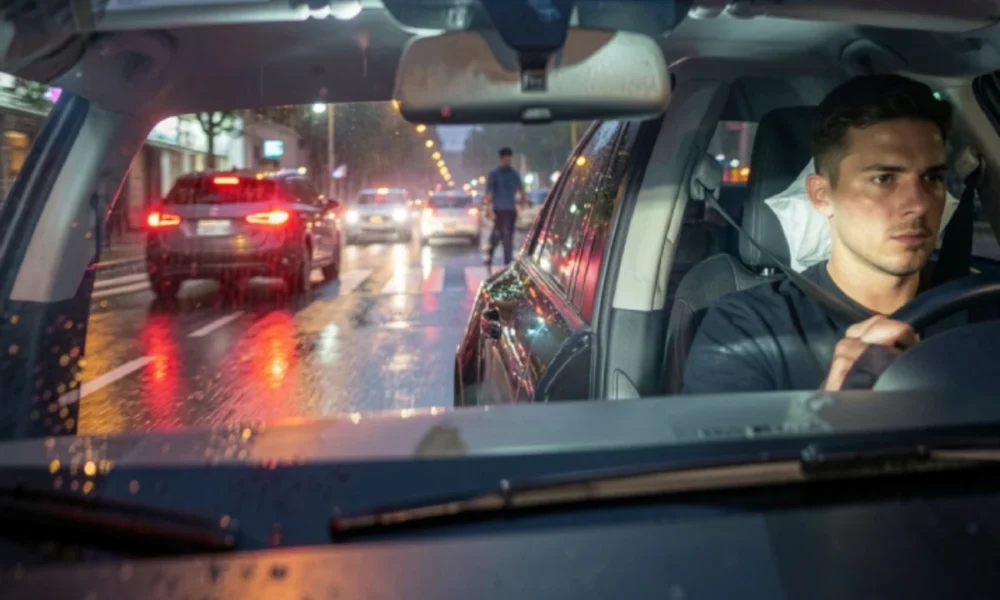
How Vehicle Safety Features Prevent Fatal Accidents? Every time we get behind the wheel, we trust that the car can help us handle the unexpected. A sudden stop. A distracted driver. A slippery road. A missed blind spot. That is exactly why vehicle safety features matter so much.
Table Of Content
- What Are Vehicle Safety Features?
- Active Safety Features
- Passive Safety Features
- How Vehicle Safety Features Prevent Fatal Accidents
- They Reduce Human Error
- They Improve Braking in Emergencies
- They Help Drivers Stay in Control
- They Make Surroundings Easier to See
- Key Safety Features That Save Lives
- Why Seat Belts and Airbags Still Matter Most
- Seat Belts
- Airbags
- Safety Features Protect More Than the Driver
- Why Safer Vehicles Matter for Families
- What to Look for in a Safe Vehicle
- The Real Impact of Vehicle Safety Technology
- Conclusion
- FAQ
- How do vehicle safety features reduce fatal accidents?
- What is the most important car safety feature?
- Are modern safety features worth it?
- Do airbags prevent fatal injuries?
- Which safety features should I look for when buying a car?
Modern cars are built with systems designed to do two things: help prevent a crash from happening and protect people if a crash cannot be avoided. When both of those layers work together, the risk of fatal accidents drops in a big way.
What Are Vehicle Safety Features?
Vehicle safety features are tools, systems, and design elements that make driving safer. Some help drivers stay in control before a crash happens. Others reduce the force of impact and protect passengers during a collision.
These features usually fall into two categories:
Active Safety Features
Active safety features help prevent accidents before they happen. They support the driver by improving awareness, control, and reaction time.
Examples include:
- Automatic emergency braking
- Lane departure warning
- Blind spot monitoring
- Electronic stability control
- Anti-lock braking system
- Rearview cameras
- Adaptive headlights
Passive Safety Features
Passive safety features protect passengers during and after a crash.
Examples include:
- Airbags
- Seat belts
- Crumple zones
- Side-impact beams
- Head restraints
- Child safety locks
- Reinforced safety cages
How Vehicle Safety Features Prevent Fatal Accidents
The biggest reason fatal crashes happen is that dangerous situations develop faster than people can react. Safety features step in during those critical moments.
They Reduce Human Error
Human error is one of the main causes of serious road accidents. Drivers get tired, distracted, stressed, or simply miss what is happening around them.
Features like lane departure warning, driver alerts, and blind spot monitoring act like an extra set of eyes. They can warn drivers before a mistake turns into a deadly crash.
For example, if a driver starts drifting out of a lane, a lane-keeping system can alert them or gently steer the car back. That small correction can stop a high-speed sideswipe or head-on collision.
They Improve Braking in Emergencies
One of the most important ways vehicle safety features prevent fatal accidents is by improving stopping power and reducing panic mistakes.
Automatic emergency braking can detect a possible collision and apply the brakes if the driver does not react in time. Anti-lock braking systems help drivers maintain steering control during hard braking. Brake assist adds extra stopping force when the system senses an emergency stop.
In real driving situations, just a few feet can make the difference between a close call and a fatal impact.
They Help Drivers Stay in Control
Losing control of a vehicle can turn a simple problem into a deadly accident within seconds. This is especially true on wet roads, sharp turns, or sudden swerves.
Electronic stability control helps keep the car moving in the intended direction. If the system senses skidding or loss of traction, it can automatically adjust braking and engine power.
That matters because many fatal crashes happen when a vehicle spins, rolls over, or crosses into oncoming traffic. Control systems are designed to reduce that risk.
They Make Surroundings Easier to See
Not every accident happens because a driver is reckless. Sometimes the problem is visibility.
Rearview cameras, parking sensors, blind spot monitoring, and adaptive headlights help drivers see what they might otherwise miss. Better visibility lowers the chance of backing into someone, changing lanes into another vehicle, or failing to notice a pedestrian in low light.
A clearer view gives drivers more time to make a safe decision.
Key Safety Features That Save Lives
Some features have a bigger impact than others when it comes to preventing fatal accidents.
| Safety Feature | How It Helps |
|---|---|
| Seat Belts | Keep passengers secure and reduce impact force |
| Airbags | Protect the head and chest during collisions |
| Automatic Emergency Braking | Helps avoid front-end crashes |
| Electronic Stability Control | Prevents skidding and loss of control |
| Blind Spot Monitoring | Warns drivers about hidden vehicles |
| Lane Keeping Assist | Helps prevent lane drift and head-on crashes |
| Rearview Camera | Improves visibility when reversing |
This mix of prevention and protection is what makes modern vehicles safer than ever.
Why Seat Belts and Airbags Still Matter Most
New technology gets a lot of attention, but the basics still save lives every day.
Seat Belts
Seat belts keep the body from being thrown forward, into the dashboard, or out of the vehicle. They also position passengers correctly so airbags can work the way they are supposed to.
Airbags
Airbags cushion the impact during a crash and help reduce serious injuries to the head, neck, and chest.
Used together, seat belts and airbags create a much stronger layer of protection than either one alone.
Safety Features Protect More Than the Driver
One important thing people forget is that vehicle safety features do not only protect the person behind the wheel.
They also help protect:
- Front-seat passengers
- Children in the back seat
- Pedestrians
- Cyclists
- Other drivers on the road
For example, automatic braking can help avoid hitting a person crossing the street. Blind spot monitoring can prevent a lane-change crash with a motorcycle. Rear cameras can help drivers spot children or objects behind the vehicle.
Safer cars create safer roads for everyone.
Why Safer Vehicles Matter for Families
If you drive with kids, older parents, or loved ones in the car, safety features are not just nice extras. They are peace of mind.
Families often spend time on busy roads, school routes, parking lots, highways, and long-distance trips. In all of those situations, even one helpful feature can make a life-saving difference.
When choosing a vehicle, many people focus on style, fuel economy, or tech screens first. But safety should be one of the top priorities because it affects every trip, every passenger, and every unexpected moment.
What to Look for in a Safe Vehicle
If you are buying a car and want strong safety protection, focus on features that prevent crashes and reduce injury severity.
Look for:
- Automatic emergency braking
- Electronic stability control
- Multiple airbags
- Seat belt reminders
- Blind spot monitoring
- Lane departure warning
- Rearview camera
- Strong crash protection design
A good rule is simple: the more support a vehicle gives the driver in real-world situations, the better the chance of avoiding a serious accident.
The Real Impact of Vehicle Safety Technology
The real value of safety features shows up in everyday moments most people never think about.
It is the car helping a tired driver stay in the lane.
It is the brakes reacting before a distracted driver can.
It is the seat belt holding someone in place during impact.
It is the airbag reducing the force of a crash that could have been fatal.
That is how vehicle safety features prevent fatal accidents. Not with one dramatic moment, but with dozens of quiet protections working together before, during, and after danger appears.
Conclusion
Vehicle safety features prevent fatal accidents by reducing human error, improving control, increasing visibility, and protecting occupants in a crash. Some systems help stop accidents before they happen, while others lower the chances of deadly injuries when impact cannot be avoided.
For drivers, families, and car buyers, these features are more than technical upgrades. They are life-saving tools that make every journey safer. When it comes to road safety, the smartest vehicle is often the one built to protect you when it matters most.
FAQ
How do vehicle safety features reduce fatal accidents?
They reduce fatal accidents by helping drivers avoid crashes, improving control during emergencies, and protecting passengers during impact.
What is the most important car safety feature?
Seat belts remain one of the most important safety features because they protect passengers in nearly every type of collision.
Are modern safety features worth it?
Yes. Features like automatic emergency braking, blind spot monitoring, and stability control can help prevent dangerous accidents and support drivers in high-risk situations.
Do airbags prevent fatal injuries?
Airbags help reduce the severity of injuries, especially when used with seat belts, which makes fatal outcomes less likely in serious crashes.
Which safety features should I look for when buying a car?
Look for automatic emergency braking, electronic stability control, airbags, lane departure warning, blind spot monitoring, and a rearview camera.