

LED Lighting for Homes: Benefits, Efficiency, and Selection Guide (2026)
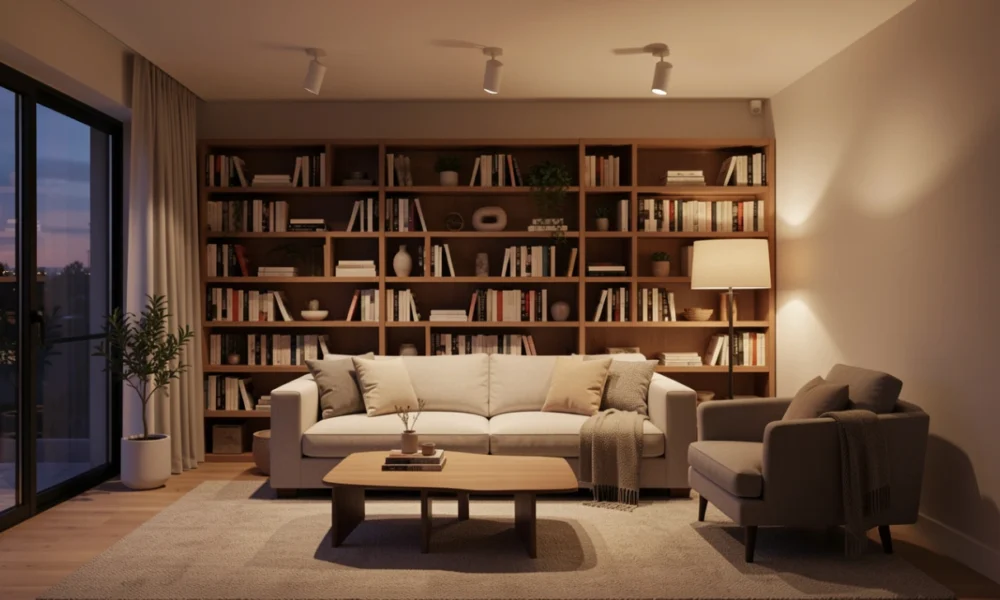
Selecting the appropriate lighting for a home is essential for creating a comfortable environment and managing energy expenses. In recent years, Light Emitting Diode (LED) technology has become the standard for residential lighting due to its significant advantages over traditional incandescent and compact fluorescent (CFL) bulbs. Understanding the specific benefits of LED lighting allows homeowners to make informed choices that improve their living spaces while providing financial and environmental returns.
Table Of Content
This article examines the advantages of LED lighting, compares them to older technologies, and pguideson selecting the right bulbs for different applications.
What Are LED Lights?
LED stands for light-emitting diode. Unlike traditional incandescent bulbs that produce light by heating a thin metal filament until it glows, or fluorescent lamps that use gas and phosphors, LEDs create light through a process called electroluminescence. In this process, an electrical current passes through a semiconductor (microchip), which emits visible light. This fundamental difference in technology is the reason for the superior performance of LEDs.
The key distinctions from older lighting types are significant:
- Incandescent Bulbs: They produce a warm light but are highly inefficient, converting only about 10% of the energy they use into light. The remaining 90% is released as heat. They also have a very short lifespan.
- Compact Fluorescent Lamps (CFLs): While more efficient than incandescent bulbs, CFLs contain a small amount of mercury, which poses a health and environmental hazard if the bulb breaks. They also require a short warm-up period to reach full brightness and can be affected by frequent on/off switching.
LED technology has transformed the lighting industry by offering a light source that is energy-efficient, long-lasting, durable, and highly adaptable. LEDs are now integrated into countless products, from standard household bulbs to flexible strip lights and smart lighting systems.
Key Benefits of LED Lighting for Your Home
Energy Efficiency and Cost Savings
The primary driver for switching to LED lighting is its exceptional energy efficiency. LED bulbs consume significantly less electricity than traditional options to produce the same amount of light (measured in lumens). According to the U.S. Department of Energy, quality LED bulbs use at least 75% less energy than incandescent lighting.
- Lower Electricity Bills: A typical LED bulb might use only 8-10 watts to produce the same light as a 60-watt incandescent bulb. This reduction directly translates to lower monthly utility costs. The average household can save about $225 per year on energy costs by switching to LED lighting
- Reduced Environmental Footprint: Because they consume less electricity, LEDs help lower greenhouse gas emissions from power plants. It is estimated that widespread use of LED lighting could save over 569 terawatt-hours (TWh) of energy annually by 2035, which is equivalent to the annual output of more than 92 power plants .
Long Lifespan and Durability
One of the most practical benefits of LEDs is their remarkable longevity, which drastically reduces the need for frequent replacements.
- Lifespan Comparison: While an incandescent bulb typically lasts about 1,000 to 2,000 hours and a CFL about 8,000 to 15,000 hours, a quality LED bulb can last between 25,000 toand0,000 hours or more. This means an LED bulb could function for well over a decade under normal household use.
- Reduced Maintenance: The long lifespan translates to lower maintenance costs and the convenience of not having to change bulbs constantly, especially in fixtures with hard-to-reach locations.
- Durable Construction: Unlike the fragile glass and thin filaments of incandescent bulbs or the glass tubes of CFLs, LEDs are solid-state lights. They are made with components mounted on a circuit board and are much more resistant to shock, vibration, and external impacts, making them suitable for high-traffic areas and outdoor use
L.ight Quality, Versatility, and Control
Modern LED technology offers superior control over light quality and appearance, allowing homeowners to customize their lighting like never before.
- Color Temperature Options: LEDs are available in a wide range of color temperatures, measured in Kelvins (K). Homeowners can choose from warm white (2700K-3000K) to create a cozy atmosphere in living rooms and bedrooms, neutral white (3500K-4500K) for kitchens and bathrooms, or cool daylight (5000K-6500K) for garages and task lighting .
- High Color Rendering Index (CRI): CRI measures how accurately a light source reveals the true colors of objects compared to natural light, on a scale of 0-100 . High-quality LEDs have a CRI of 90 or above, making them ideal for kitchens, art studios, and makeup areas where color distinction is important .
- Instant-On and Dimming: LEDs reach full brightness instantly, without the warm-up time required by CFLs. Many LED bulbs are also dimmable, allowing for smooth adjustment of light levels to create the desired mood without impacting the bulb’s lifespan or efficiency, a clear advantage over CFLs
- Directional Lighting: Unlike incandescent or CFL bulbs that emit light in all directions (360 degrees), LEDs are directional, typically emitting light in a specific direction (e.g., 180 degrees). This makes them extremely efficient for use in recessed downlights, track lighting, and under-cabinet task lighting, as less light is wasted inside the fixture .
Safety, Health, and Environmental Advantages
LEDs provide a safer and healthier alternative to conventional lighting.
- Reduced Heat Emission: LEDs produce very little heat compared to incandescent bulbs, which release 90% of their energy as heat. This low heat output significantly reduces the risk of burns or fire hazards, making titsafer for homes with children and pets and for use in enclosed fixtures.
- No Toxic Materials: Unlike CFLs, which contain mercury and require special disposal, LEDs contain no hazardous chemicals such as mercury or lead. This makes them safer to use and dispose of, reducing their environmental impact at the end of their long life.
- Low UV Emissions: LEDs emit negligible amounts of ultraviolet (UV) light. This reduces the potential for fading of artwork, fabrics, and furnishings and makes them a healthier choice for prolonged exposure in indoor environments.
- Resistance to Switching: The lifespan of an LED is not affected by frequent on/off cycling, unlike CFLs, which can wear out quickly. This makes them ideal for areas like bathrooms, closets, and hallways where lights are turned on and off frequently.
How to Choose the Right LED Bulbs
When purchasing LED bulbs, look beyond the wattage and focus on the Lighting Facts label to ensure you get the right light for your needs.
- Brightness (Lumens): Since LEDs use less wattage, focus on lumens to determine brightness. For a standard 60W incandescent bulb, look for an LED that provides around 800 lumens
- Col .or Temperature (Kelvin): Choose the light appearance.
- 2700K – 3000K: Soft white/warm white for living rooms, bedrooms, and dining areas.
- 3500K – 4500K: Bright/cool white for kitchens, bathrooms, and workspaces.
- 5000K – 6500K: Daylight for garages, basements, and task lighting .
- Color Accuracy (CRI): For most indoor living spaces, look for a CRI of 90 or higher to ensure colors appear vibrant and true .
- DDimmability If you plan to use the bulb on a dimmer switch, ensure the packaging explicitly states the bulb is “dimmable.” Not all LEDs have this capability .
- Energy Star Certification: Choosing bulbs with the ENERGY STAR rating ensures they have been independently tested to meet strict standards for efficiency, light output, and lifespan .
Conlusion
Making the switch to LED lighting is a practical upgrade for any homeowner. The technology offers a superior combination of energy efficiency, cost savings, longevity, and light quality that older technologies like incandescent and CFL bulbs cannot match. By choosing LEDs, you create a home with better, more customizable lighting, reduce your energy bills, and minimize your environmental impact. Whether you are replacing a single bulb or planning a full home lighting retrofit, LED technology provides a reliable and intelligent solution for the future.