

Mini Dome Cameras for Business: Key Benefits and Why They Work
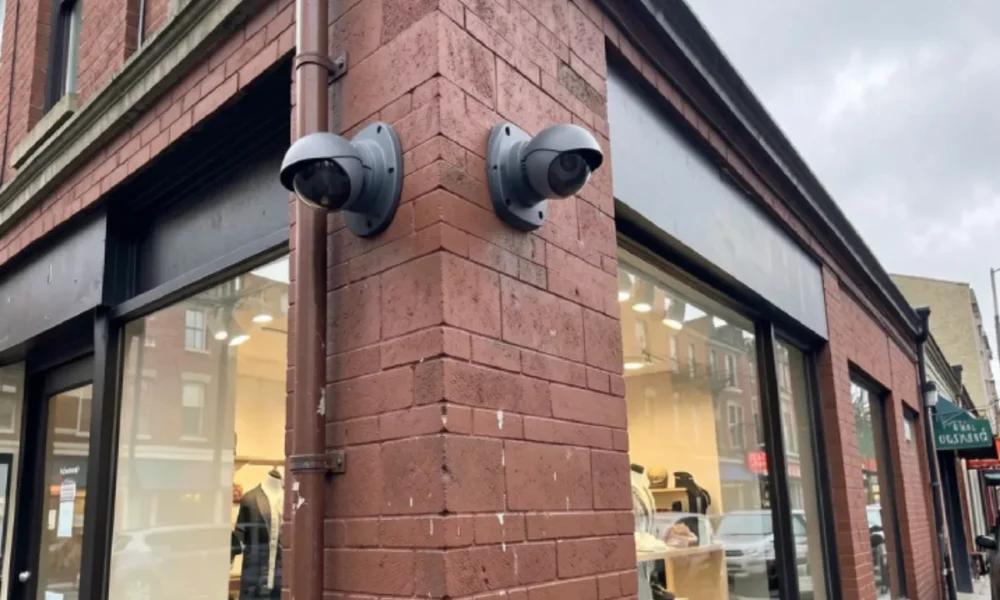
Businesses face a wide range of physical security challenges — from retail theft and workplace vandalism to unauthorized access and liability disputes. Mini dome cameras have become one of the most widely adopted surveillance solutions across commercial settings, offering a combination of discreet design, broad coverage, and compatibility with modern security infrastructure.
Table Of Content
- What Is a Mini Dome Camera?
- Design and Aesthetics
- Low-Profile Form Factor
- Directional Ambiguity
- Coverage and Image Quality
- Wide-Angle and 360-Degree Viewing
- High-Definition Video Resolution
- Low-Light and Night Vision Performance
- Vandal Resistance and Durability
- Deterrence and Behavioral Effects
- Reducing Theft and Vandalism
- Workplace Behavior and Accountability
- Real-Time Alerts and Incident Response
- Installation and Maintenance
- Power over Ethernet (PoE)
- Straightforward Mounting
- Low Ongoing Maintenance
- Integration with Security Systems
- Compatibility with Existing Infrastructure
- AI-Powered Video Analytics
- Access Control and Alarm Integration
- Cloud Storage and Remote Monitoring
- Where Mini Dome Cameras Are Used in Business
- Summary
This guide covers what makes mini dome cameras effective for business use, what features matter most, and how they fit into a larger security strategy.
What Is a Mini Dome Camera?
A mini dome camera is a compact, ceiling-mounted surveillance device enclosed in a dome-shaped transparent or tinted housing. The housing protects the internal lens from tampering and environmental damage while concealing the direction the camera is pointing — a practical advantage over bullet-style cameras, where the viewing angle is immediately obvious.
Mini dome cameras are used across retail stores, office buildings, hotels, healthcare facilities, schools, and warehouses. They suit both indoor and outdoor installation, and most commercial-grade models carry IP66 or IP67 ratings for weather resistance alongside IK10 ratings for impact resistance.
Design and Aesthetics
Low-Profile Form Factor
Mini dome cameras are built for environments where security infrastructure should not disrupt the visual character of a space. Their compact, ceiling-flush profile fits naturally into retail floors, hotel lobbies, corporate offices, and hospitality venues without drawing attention.
For businesses in sectors such as luxury retail, boutique hotels, or professional services, where appearance plays a role in customer perception, the understated look of a mini dome camera is a practical benefit. It maintains a professional atmosphere while keeping surveillance in place.
Directional Ambiguity
Because the dome casing obscures lens direction, observers cannot easily determine which area is under active monitoring. This creates a broader psychological deterrent effect — anyone within view of the camera cannot be certain they are outside its field of coverage. Bullet cameras and box cameras do not offer this advantage.
Coverage and Image Quality
Wide-Angle and 360-Degree Viewing
Mini dome cameras are typically equipped with wide-angle lenses that provide expansive fields of view from a single mounting point. Many models support digital pan-tilt-zoom (PTZ) functionality, allowing security teams to navigate within the captured frame without physically adjusting the camera.
This broad coverage reduces the total number of cameras required to monitor a given area, lowering both installation costs and the complexity of managing the system. Fewer cameras also means fewer points of maintenance.
High-Definition Video Resolution
Current commercial mini dome cameras offer video resolutions ranging from 1080p full HD to 4K, providing the level of detail needed to identify individuals, read text, or document incidents accurately. High-resolution footage is particularly valuable when footage is submitted as evidence in insurance claims or legal proceedings.
Low-Light and Night Vision Performance
Most mini dome cameras designed for commercial use include infrared (IR) LEDs or low-light sensors that enable clear imaging in minimal or zero ambient light. Day/night switching adjusts automatically based on lighting conditions, ensuring consistent surveillance quality around the clock — a requirement for facilities such as banks, parking structures, and logistics hubs that need continuous 24/7 monitoring.
Vandal Resistance and Durability
Mini dome cameras designed for commercial environments are built with impact-resistant housings. The IK rating system measures resistance to physical impact: an IK10-rated camera can withstand up to 20 joules of force, equivalent to a 5 kg mass dropped from 40 cm.
This level of protection is appropriate for high-traffic or high-risk environments including public entrances, stairwells, car parks, and industrial facilities. Tamper detection features in many models trigger alerts if someone attempts to reposition or damage the unit, adding a further layer of protection to the physical security setup.
Deterrence and Behavioral Effects
Reducing Theft and Vandalism
Visible surveillance equipment reduces the likelihood of theft and vandalism by signaling that activity in the area is being recorded. Mini dome cameras achieve this without the imposing appearance of larger surveillance hardware, making them effective deterrents in customer-facing environments where aggressive security aesthetics would be counterproductive.
Workplace Behavior and Accountability
The presence of cameras in employee-accessible areas can reduce internal theft and encourage compliance with workplace procedures. Research consistently shows that awareness of being observed affects behavior. Surveillance footage also supports HR investigations, resolves disputes, and provides documentation in the event of a workplace incident.
Real-Time Alerts and Incident Response
Many mini dome cameras support motion detection that triggers real-time alerts to security personnel or management. This allows a faster response to incidents as they develop, limiting potential damage, loss, or disruption rather than relying solely on post-incident footage review.
Installation and Maintenance
Power over Ethernet (PoE)
Most commercial mini dome cameras use Power over Ethernet (PoE) connectivity, which carries both power supply and data transmission through a single CAT5 or CAT6 cable. This simplifies installation by eliminating separate power runs and reduces cabling costs, particularly across large premises with multiple camera positions.
Straightforward Mounting
Mini dome cameras mount to ceilings or wall brackets without significant structural modification. Their compact size makes them practical in confined spaces, corridors, and above doorways where larger camera housings would be impractical. Plug-and-play setup options, including QR-code onboarding available in some models, further reduce installation time.
Low Ongoing Maintenance
Commercial-grade mini dome cameras are built to operate continuously with minimal intervention. Weather-resistant construction reduces the frequency of cleaning required for outdoor units, and solid-state components generally require less maintenance than mechanical PTZ systems. Most units operate effectively for years without hardware replacement under normal conditions.
Integration with Security Systems
Compatibility with Existing Infrastructure
Mini dome cameras are designed to work within broader IP-based security networks. Most models comply with ONVIF standards, which allow them to integrate with a wide range of video management systems (VMS) regardless of brand. This means businesses can add mini dome cameras to existing systems without replacing other hardware or software.
AI-Powered Video Analytics
Current-generation mini dome cameras increasingly support on-camera AI analytics, including motion detection, object classification, people counting, facial recognition (subject to local regulations), and loitering detection. These capabilities shift surveillance from passive recording to active alerting, flagging specific events without requiring constant manual monitoring of live feeds.
Brands such as Avigilon (H6 Mini Dome), Axis Communications, Pelco, and Canon offer commercial mini dome models with integrated AI analytics that connect to cloud-native or on-premise VMS platforms.
Access Control and Alarm Integration
Mini dome cameras can be linked with access control systems and intrusion detection alarms to create a coordinated response to security events. When an access control alert is triggered, the associated camera feed can be automatically pulled up for the security operator, allowing faster assessment of the situation.
Cloud Storage and Remote Monitoring
Cloud-connected mini dome cameras allow business owners and security teams to access live feeds, review recorded footage, and receive alerts from any location via mobile or desktop devices. Cloud storage also provides redundancy — footage remains accessible even if local recording hardware is damaged or stolen. Retention periods vary by storage plan and configuration, with most systems supporting between one and four weeks of footage storage.
Where Mini Dome Cameras Are Used in Business
Mini dome cameras are well-suited to a broad range of commercial environments:
- Retail stores: Monitoring checkout areas, aisles, stockrooms, and entrances to deter shoplifting and document incidents
- Office buildings: Coverage of reception areas, corridors, and server rooms without creating an imposing security presence
- Hotels and hospitality: Surveillance in lobbies, hallways, and car parks while preserving the aesthetic of the property
- Healthcare facilities: Monitoring of entrances, waiting areas, and restricted zones to protect patients, staff, and assets
- Schools and universities: Coverage of hallways, entrances, and common areas with vandal-resistant units suitable for high-traffic use
- Warehouses and logistics: Continuous monitoring of loading docks, storage areas, and perimeter zones, including in low-light conditions
Summary
Mini dome cameras offer a practical and cost-effective approach to commercial surveillance. Their combination of discreet design, wide-area coverage, vandal-resistant construction, and compatibility with AI analytics and integrated security platforms makes them a sound choice for businesses that need reliable, continuous monitoring without significant disruption to their environment or operations. Selecting the right model depends on the specific environment, required resolution, lighting conditions, and the level of integration needed with existing security infrastructure.