

Modern Rugs: A Complete Guide to Selection, Placement, and 2025 Design Trends
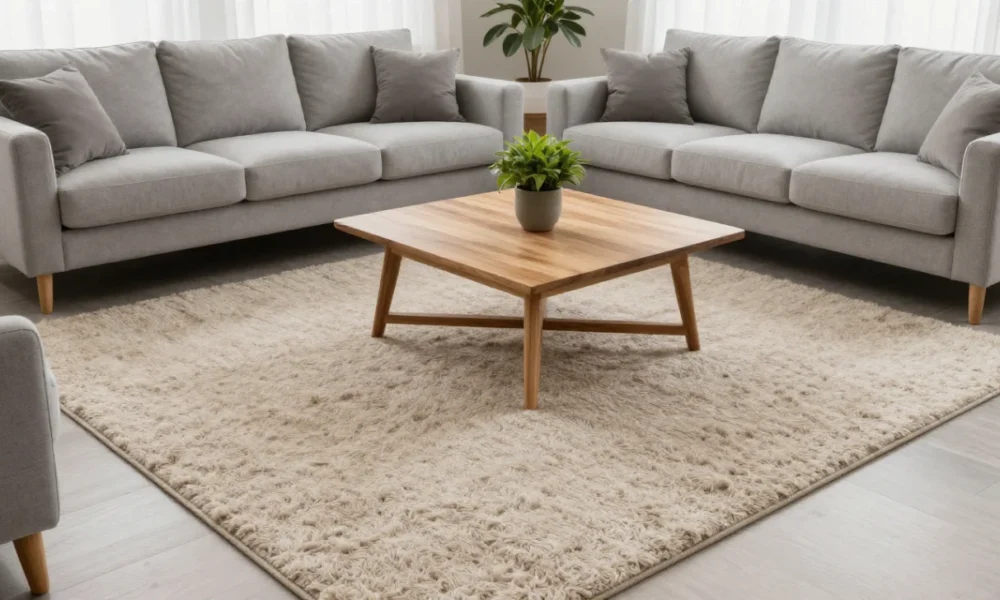
Rugs are a foundational element in interior design, providing comfort, defining spatial zones, and contributing significantly to a room’s aesthetic. Modern rugs, in particular, offer a versatile medium for introducing color, pattern, and texture. This guide provides a comprehensive overview of selecting, placing, and styling modern rugs, incorporating current trends and expert recommendations for 2025 and beyond.
Table Of Content
- Key Takeaways
- The Evolving Role of Rugs in Contemporary Interiors
- Ky Modern Rug Trends for 2025 and Beyond
- How to Choose the Right Modern Rug
- Assess the Room’s Function and Traffic
- Select the Right Size
- Choose Materials Based on Lifestyle
- Expert Placement Strategies by Room
- Living Room Placement
- Bedroom Placement
- Dining Room Placement
- Entryways and Hallways
- Styling Your Modern Rug
- Layering Rugs
- ixing Patterns and Textures
Key Takeaways:
- Modern rugs serve as both functional and artistic elements, enhancing comfort, acoustics, and spatial definition
- 2025 trends emphasize sustainable materials, sculptural shapes, rich textures, and a shift towards bolder, statement-making designs .
- Selecting the right rug involves assessing room function, choosing an appropriate size to anchor furniture, and matching material to lifestyle needs.
- Strategic placement varies by room: anchor seating areas in living rooms, accommodate pulled-out chairs in dining rooms, and provide a soft landing in bedrooms.
- Effective styling includes layering rugs at different angles, mixing patterns with a cohesive palette, and using rugs as a primary source of artwork or color
The Evolving Role of Rugs in Contemporary Interiors
Rugs are no longer just decorative accessories; they are integral components of modern interior design. They perform multiple functions: providing comfort underfoot, absorbing sound to reduce reverberation in open-plan spaces, and visually defining separate areas within a larger room . In flexible living environments where a space might serve as a home office during the day and a social hub at night, a rug can act as a subtle yet effective tool to delineate a functional zone without the need for physical barriers . Contemporary rugs can function as artistic statements, anchoring a room’s design and setting the tone for the entire space .
Ky Modern Rug Trends for 2025 and Beyond
Design trends for 2025 reveal a move towards pieces that combine artistic expression with functional practicality. Key trends include:
- Sculptural and Irregular Shapes: Moving beyond traditional rectangles, there is a growing preference for rugs with organic, asymmetrical, or sculptural forms. Round rugs, scalloped edges, and cut-out designs that expose the floor beneath are gaining popularity for their ability to soften a space and act as an installation-like element.
- Rich Texture and Material Depth: Texture is paramount. This includes rugs with high-low pile variations, carved patterns, and hand-loomed finishes that create three-dimensional effects. The focus is on the tactile experience, with natural fibres like wool, jute, and hemp leading the way for their durability and organic feel
- Evolving Color Palettes: While warm, “huggable” neutrals remain relevant, there is a shift towards deeper saturation and richer tones. Colors like inky blue, chocolate, moss green, and even “radioactive” accents are being used to create high-contrast compositions or add personality to neutral rooms . For a more subdued look, sophisticated neutrals with subtle undertones of sage or clay are preferred .
- Pattern and Cultural Fusion: Designers are moving towards modern interpretations of ancient motifs, softer geometric patterns like faded stripes, and organic shapes. Globally-inspired rugs incorporate traditional weaving techniques and regional patterns rendered in contemporary colorways for a look that feels both rooted and fresh .
- Hgh-Performance and Sustainable Materials: There is a strong emphasis on eco-conscious choices, including rugs made from recycled PET yarns, organic wool, and cotton. Concurrently, washable rugs with advanced, stain-resistant fibres are becoming a practical luxury for high-traffic zones, proving that style and functionality can coexist .
How to Choose the Right Modern Rug
Selecting the perfect rug requires a balance of aesthetic preference and practical consideration.
Assess the Room’s Function and Traffic
The room’s purpose is the primary driver of your choice. For a low-traffic bedroom, a plush, high-pile wool rug is ideal for comfort. For high-traffic areas like hallways, living rooms, or dining spaces, a durable, low-pile rug made from wool, flat-weave cotton, or a performance synthetic is more practical . In ining rooms, choose a rug that is easy to clean and durable enough to withstand chairs being moved.
Select the Right Size
Size is critical for achieving a balanced look. A common mistake is selecting a rug that is too small, which can make a room feel disjointed
- Living Room: The rug should be large enough to anchor the seating area. Ideally, it fits under the front legs of sofas and chairs, unifying the furniture grouping. In larger rooms, all furniture legs can rest on the rug .
- Dining Room: The rug must be large enough to accommodate the table and chairs e, even when chairs are pulled out. A good rule is to allow at least 24-30 inches of extra rug space on all sides of the table
- Bedroom: Options vary. A large rug can be placed under the bed, extending 18-24 inches beyond its sides and foot. Alternatively, runners can be placed on either side of the bed, or a smaller rug can be placed at the foot .
Choose Materials Based on Lifestyle
The material determines the rug’s durability, feel, and maintenance needs.
| Material | Best For | Key Properties |
|---|---|---|
| Wool | Living rooms, bedrooms | Naturally stain-resistant, durable, soft, and resilient. A top-tier investment . |
| Cotton | Casual spaces, seasonal use | Lightweight, breathable, easy to clean, and often washable. Good for low-traffic areas . |
| Jute/Sisal | Low-traffic areas, layering base | Adds organic texture and natural beauty. Can be rough underfoot; best with a rug pad. |
| Synthetics | High-traffic zones, homes with kids/pets | Affordable, resilient, stain-resistant, and often machine-washable. Ideal for mudrooms and kitchens. |
Expert Placement Strategies by Room
Strategic placement enhances both the function and visual flow of a space.
Living Room Placement
In living rooms, the goal is to create a unified seating area. The most common and effective method is the “front legs on” technique, where the front legs of sofas and chairs rest on the rug. This anchors the furniture grouping while leaving some floor exposed, which can make a room feel more spacious. To visualize the placement, use painter’s tape to outline the rug’s dimensions on the floor before purchasing.
Bedroom Placement
For a cohesive look, avoid leaving furniture only half-on and half-off the rug
- Under the Bed: Place a large area rug so that the bottom two-thirds of the bed sits on it, with the rug extending past the foot and sides. For a king bed, an 8’x10′ or 9’x12′ rug is often ideal; for a queen, a 6’x9′ or 8’x10′ works well .
- Symmetrical Runners: Place two matching runners along the long sides of the bed. This provides a soft landing for both sleepers and is a great solution for tighter spaces.
Dining Room Placement
Ensure the rug extends sufficiently beyond the table so that chairs remain on the rug even when pushed back. This prevents chair legs from catching and protects the floor. A clearance of at least 24 inches from the table edge is recommended
Entryways and Hallways
Runners are the ideal choice for these long, narrow spaces. They protect flooring from heavy traffic and add a decorative element. Ensure the runner is centered with balanced floor space on either side .
Styling Your Modern Rug
Once your rug is in place, styling it effectively can elevate the entire room.
Layering Rugs
Layering adds depth and character. A popular technique is to start with a large, neutral base rug (like jute) and layer a smaller, patterned or textured rug on top. For a more dynamic look, try placing the top rug at a different angle or even perpendicular to the base rug to create a tapestry-like effect on the floor . This approach can also help integrate a beloved but too-small rug into a larger space .
ixing Patterns and Textures
Combine patterns thoughtfully. If your rug has a bold, geometric pattern, pair it with solid or subtly textured cushions and throws. If the rug is more subdued, you can introduce pattern through other elements like artwork or pillows. Keeping the color palette cohesive helps prevent visual chaos . Using the Rug as a Focal Point
A rug with a striking design, bold colors, or a unique sculptural quality can serve as the room’s primary artwork. In such cases, keep surrounding furniture and decor relatively simple to allow the rug to take center stage . Conversely, a classic or neutral sofa can be the perfect backdrop for a richly patterned rug. MaintainingYour Modern Rug
Regular maintenance preserves the rug’s appearance and extends its lifespan.
- Vacuum Regularly: Vacuum high-traffic areas frequently to prevent dirt from embedding in the fibers. For delicate rugs, use a vacuum without a rotating brush .
- Rotatee Seasonally: Rotate your rug every few months to ensure even wear from foot traffic and sun exposure .
- Address Spills Immediately: For spills, blot (do not rub) the area with a clean, dry cloth, working from the outside edge of the spill inward to prevent spreading. Use a mild detergent or wool wash for cleaning .
- Use a ug Pad: A quality rug pad provides cushioning, prevents slipping, improves comfort underfoot, and protects both the rug and the floor beneath.
By carefully considering these elements—from current trends and material selection to strategic placement and maintenance—you can successfully use modern rugs to create a space that is stylish, functional, and uniquely your own.