

RV Extended Warranty: What It Covers, What It Costs, and How to Choose
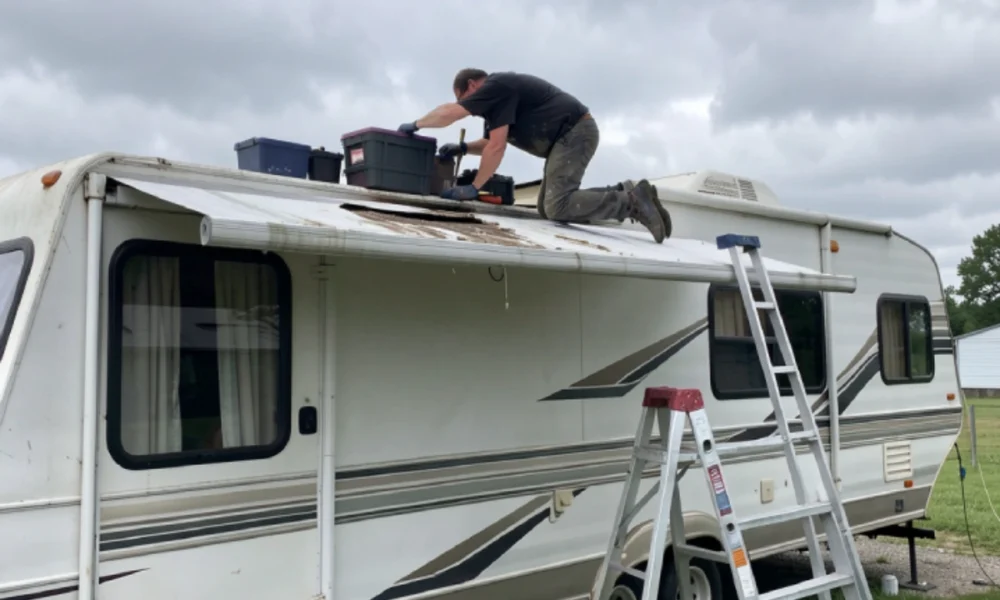
Owning an RV means managing more systems than a standard vehicle — engine, transmission, plumbing, HVAC, electrical, slide-outs, and appliances — all in one unit. When any of these fail, repair bills can be steep. An RV extended warranty (also called an extended service contract) helps cover those costs after the manufacturer’s original warranty expires.
Table Of Content
- What Is an RV Extended Warranty?
- RV Extended Warranty vs. RV Insurance
- How Likely Is Your RV to Need Repairs?
- Common RV Repairs and Their Costs
- Types of RV Extended Warranty Coverage
- Exclusionary Coverage (Bumper-to-Bumper)
- Listed Component Coverage (Named Component)
- Powertrain-Only Coverage
- Which Type Is Right for You?
- What Affects RV Extended Warranty Costs
- How Your RV Usage Affects Coverage Needs
- Full-Time RVers
- Occasional or Weekend Use
- Long-Distance Travelers
- Seasonal Users
- What to Look for When Choosing a Provider
- Well-Known RV Extended Warranty Providers
- Key Contract Terms to Review Before Signing
- Alternatives to an Extended Warranty
- Is an RV Extended Warranty Worth It?
This guide covers how these plans work, what they typically include or exclude, how to evaluate providers, and when a warranty is worth the cost.
What Is an RV Extended Warranty?
An RV extended warranty is a service contract that pays for covered mechanical breakdowns and component failures. Unlike a manufacturer’s warranty, which comes with a new RV and expires after a set period, an extended warranty provides protection beyond that original coverage window.
Extended warranties continue to safeguard your RV long after factory coverage expires, stepping in to pay for repairs on vital components you rely on for comfortable travel. Wholesale Warranties
These plans are available for Class A, B, and C motorhomes, travel trailers, fifth wheels, toy haulers, and pop-up campers. Coverage terms generally range from one to seven years, with newer RVs qualifying for longer terms. Used units generally cap at four years of coverage. Wholesale Warranties
RV Extended Warranty vs. RV Insurance
These two products are often confused, but they cover entirely different situations.
RV Insurance covers physical damage — accidents, theft, vandalism, natural disasters, and liability if you cause damage to others. It is legally required to drive your RV on public roads.
RV Extended Warranty covers mechanical failures — engine problems, transmission issues, electrical malfunctions, HVAC failures, plumbing breakdowns, and other component failures caused by normal use. It is optional but can prevent large out-of-pocket repair expenses.
Extended RV warranties are built to cover the cost of mechanical breakdowns, while RV insurance covers physical damage — the two products serve inverse purposes. Wholesale Warranties Most RV owners benefit from having both.
How Likely Is Your RV to Need Repairs?
The probability of a significant breakdown increases substantially with age. Industry data suggests that 3 out of 10 RVs experience a major breakdown by their second year, 8 out of 10 by their fifth year, and nearly every RV suffers a major failure by their eighth year. Wholesale Warranties
Repair labor alone can run approximately $300 per hour, and that figure does not include parts. This context is useful when evaluating whether an extended warranty premium makes financial sense for your situation.
Common RV Repairs and Their Costs
Understanding typical repair costs helps put warranty pricing in perspective:
Extended warranty premiums typically fall between $1,000 and $5,000 depending on coverage level, RV type, age, and the provider. A single major engine or transmission failure can exceed the total cost of a multi-year warranty plan.
Types of RV Extended Warranty Coverage
Exclusionary Coverage (Bumper-to-Bumper)
An exclusionary warranty covers all major components, systems, and appliances by listing only what is not covered — generally pre-existing conditions, cosmetic damage, routine maintenance, and tires. Everything else is assumed to be protected. Consumervoice This type of plan offers the broadest coverage and is best suited for full-time RVers or those who want the closest equivalent to a manufacturer’s warranty. It costs more than listed component plans.
Listed Component Coverage (Named Component)
Named component plans describe coverage through the opposite approach: the policy lists exactly what is covered, and anything not on that list is not covered. Today’s Best Company These plans are generally more affordable but carry a higher risk of unexpected gaps. A water heater, specific plumbing component, or appliance you assumed was covered may not appear on the list.
Powertrain-Only Coverage
Some providers offer plans limited to the engine and transmission — the two most expensive mechanical failures. This option suits owners of older RVs who primarily want protection against the highest-cost repairs, without paying for broader coverage.
Which Type Is Right for You?
Your choice depends on RV age, how frequently you use it, and how much financial risk you are comfortable carrying. Requesting a free quote from multiple providers and comparing sample contracts side by side is the most reliable way to evaluate your options.
What Affects RV Extended Warranty Costs
Several factors determine your premium:
- RV type and class: Class A motorhomes are generally more expensive to cover than travel trailers or fifth wheels.
- Age and mileage: Older, high-mileage units carry higher risk and higher premiums, or may have limited coverage options.
- Coverage tier: Exclusionary plans cost more than listed component plans.
- Deductible amount: Higher deductibles lower your premium.
- Coverage term: Longer terms typically have higher total costs.
- Add-ons: Roadside assistance, tire and wheel protection, and trip interruption coverage can be added for an additional cost.
How Your RV Usage Affects Coverage Needs
Full-Time RVers
Full-time RV living puts substantially more wear on every system. When the RV is also your primary residence, extended downtime for repairs creates real hardship. A comprehensive exclusionary plan is typically the most appropriate choice for this lifestyle.
Occasional or Weekend Use
RVers who use their vehicle a few times per year accumulate far less wear. A listed component plan covering major systems may provide adequate protection at lower cost.
Long-Distance Travelers
Frequent long-distance travel stresses the engine, transmission, tires, and suspension more than short regional trips. Broader coverage and roadside assistance are worth prioritizing.
Seasonal Users
If you store your RV for extended periods each year, look for providers that offer flexibility around periods of non-use, or that calculate mileage-based pricing that reflects lower annual usage.
What to Look for When Choosing a Provider
Not all warranty companies operate the same way, and the financial backing behind a plan matters as much as what it covers.
Insurance backing: Coverage backed by an A-rated insurance company provides much stronger protection than plans backed by risk retention groups, which can go out of business and leave you without coverage or a refund. Americasrvwarranty
Direct payment vs. reimbursement: Some providers pay repair shops directly; others require you to pay first and submit for reimbursement. Confirm which model applies before purchasing.
Repair facility network: America’s RV Warranty (ARW), for example, allows coverage to be used at any licensed repair facility or mobile mechanic in the U.S. or Canada Americasrvwarranty, while some providers limit you to specific dealerships or service centers.
Claims process: Look for transparent claims procedures with clear timelines. Companies with internal claims support staff — rather than outsourcing entirely to a third-party administrator — tend to resolve issues faster.
Diagnostic fee coverage: Confirm whether diagnostic fees are included. Some providers cover this cost; others require you to pay it separately even when a covered repair is approved.
Pre-inspection requirements: Some companies require a third-party inspection before the warranty period begins, and may use findings from that inspection to deny future claims. Providers that skip this requirement offer a cleaner path to coverage. Americasrvwarranty
Transferability: If you sell your RV, a transferable warranty adds tangible resale value. Good Sam’s Extended Service Plan, for example, transfers to the new owner at no cost, automatically adding value to the sale. Goodsamesp
Cancellation policy: Reputable providers offer prorated refunds if you cancel before the coverage term ends. Confirm this before signing.
Well-Known RV Extended Warranty Providers
Among the available providers, Wholesale Warranties and Good Sam consistently receive higher buyer satisfaction ratings than most competitors, though both have limitations. Crowsurvival
Good Sam Extended Service Plan: With over 55 years of membership and coverage experience, Good Sam is one of the most recognized names in the RV community, offering flexible coverage for motorhomes, trailers, and personal vehicles. Goodsamesp The plan includes travel benefits — meal and lodging reimbursement up to $100 per day for five days while your RV is being repaired.
Wholesale Warranties: A broker rather than a direct provider, Wholesale Warranties offers an internal claims support staff to guide customers through the claims process and ensure fair handling. Wholesale Warranties Note that the company does not operate in California.
America’s RV Warranty (ARW): ARW holds an A+ rating from the Better Business Bureau and pays full retail price for brand-new parts, including seals and gaskets not covered by most other providers. Americasrvwarranty
These providers are starting points for comparison. Always request sample contracts from any provider before purchasing.
Key Contract Terms to Review Before Signing
Before committing to any plan, review the following carefully:
- Waiting period: Most plans require a waiting period (commonly 30 days or 1,000 miles) before coverage activates.
- Exclusions: Read every exclusion clause. Specific components — such as certain water system parts, roof sealants, brake pads, or cosmetic items — are frequently excluded.
- Maintenance requirements: Many contracts require documented proof of regular maintenance. Failure to provide this can result in denied claims.
- Consequential damage: Consequential damage occurs when a non-covered part fails and damages a covered part. Most standard contracts do not cover this automatically — you must check the fine print or ask whether the provider offers this as an option. Crowsurvival
- Deductible structure: A “per visit” deductible is generally preferable to a “per item” deductible, which charges you separately for each component repaired in a single visit.
- Claim filing process and timeframes: Know the deadline for notifying the provider after a breakdown occurs.
Alternatives to an Extended Warranty
An extended warranty is not the right choice for every RV owner. Consider these options:
Self-insurance fund: Set aside a fixed monthly amount into a dedicated repair savings account. If you don’t use it, you keep it. This works best for financially disciplined owners with newer, lower-mileage RVs.
Preventative maintenance: Regular servicing of roof seals, plumbing connections, slide-out mechanisms, and the engine can prevent many common failures. For some owners, the cost of thorough maintenance is lower than warranty premiums.
Mechanical breakdown insurance (MBI): Some insurers offer mechanical breakdown insurance as a standalone product. It functions similarly to an extended warranty and may be worth comparing.
Manufacturer service packages: Some RV brands offer service contracts directly, which can be more straightforward than third-party plans for owners of newer units still within the manufacturer’s support ecosystem.
Is an RV Extended Warranty Worth It?
The answer depends on your RV’s age, how often you use it, your tolerance for financial risk, and whether you have savings available to cover a major unexpected repair.
For full-time RVers, long-distance travelers, and owners of older vehicles, a well-structured extended warranty frequently pays for itself after one or two significant claims. For occasional users with newer RVs and available savings, self-insuring may be more cost-effective.
The most important step regardless of direction: compare multiple providers, read the full contract before signing, and confirm the financial strength of the administrator backing the plan.
Disclaimer: This article provides general information about RV extended warranties and should not be considered financial or legal advice. Warranty terms, conditions, and availability vary by provider and may change over time. Always read the complete contract before purchasing any warranty plan.