

What SAP EPC Assessors Do: Role, Requirements, and Regulatory Impact
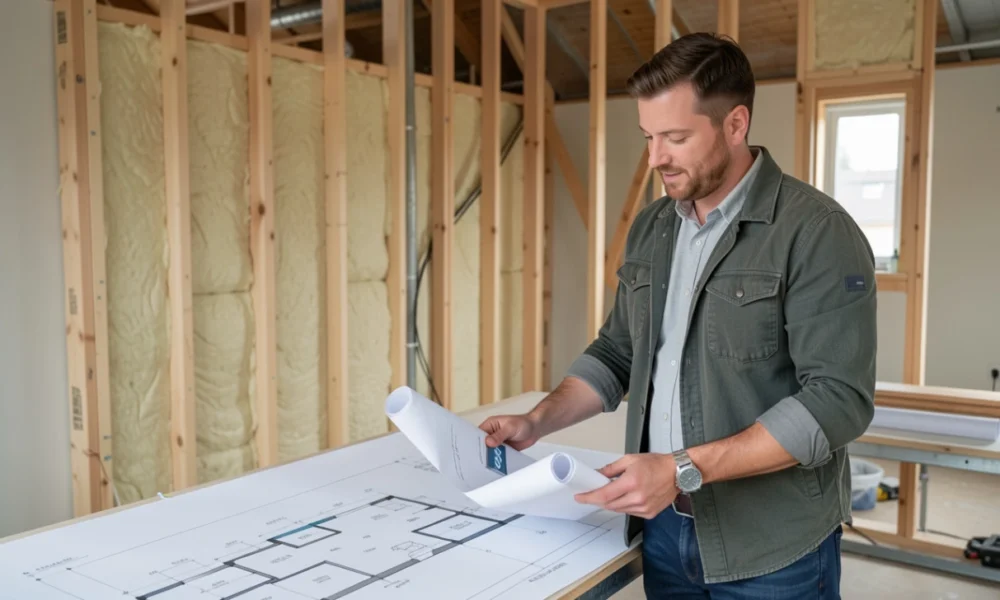
If you have purchased a new home in the UK, the Energy Performance Certificate (EPC) you received was produced by a SAP EPC Assessor. These professionals assess how much energy a building design will consume once constructed, ensuring compliance with building regulations and providing the legally required energy rating for new properties.
Table Of Content
- Understanding SAP and EPC in Context
- What is the Standard Assessment Procedure (SAP)?
- What is an Energy Performance Certificate (EPC)?
- How SAP and EPC Connect for New Builds
- The Complete Role of SAP EPC Assessors
- Performing Design Stage Assessments
- Verifying As-Built Performance
- Ensuring Regulatory Compliance
- Providing Technical Recommendations
- Why SAP EPC Assessments Matter
- Regulatory Compliance and Legal Saleability
- Occupant Cost Savings
- Carbon Reduction Contribution
- Property Value Implications
- How to Become a SAP EPC Assessor
- Required Training and Accreditation
- Essential Knowledge Areas
- Continuing Professional Development
- Recent Regulatory Developments
- Part L 2021 and Transition to Future Homes Standard
- Future Homes Standard 2025
- BREEAM and Other Sustainability Schemes
- Common Questions About SAP EPC Assessors
- Do SAP Assessors Visit Sites?
- How Long Does an Assessment Take?
- What’s the Difference Between SAP Assessors and Domestic Energy Assessors?
- Can One Person Assess Both New and Existing Buildings?
- Summary
Without SAP EPC Assessors, builders and developers would lack a standardised method to prove their projects meet Part L Building Regulations and broader carbon emissions reduction targets. Their work directly influences material choices, heating system selection, and insulation levels in new homes.
Understanding SAP and EPC in Context
What is the Standard Assessment Procedure (SAP)?
SAP (Standard Assessment Procedure) is the UK government’s approved methodology for assessing the energy performance of dwellings. It calculates predicted energy costs, carbon dioxide emissions, and overall energy efficiency based on the building’s design.
The methodology considers:
- Building materials and construction methods
- Insulation levels and thermal bridging
- Heating system type and efficiency
- Ventilation and air permeability
- Renewable energy technologies (solar PV, heat pumps)
- Lighting efficiency
SAP calculations are mandatory for all new dwellings in England, Wales, and Northern Ireland to demonstrate compliance with Approved Document L of the Building Regulations.
What is an Energy Performance Certificate (EPC)?
An Energy Performance Certificate rates the energy efficiency of a building on a scale from A (most efficient) to G (least efficient). For new buildings, the EPC is generated directly from the SAP assessment.
The certificate includes:
- Current energy efficiency rating
- Estimated energy costs
- Carbon dioxide emissions
- Recommendations for improvement (though new builds typically require fewer recommendations)
How SAP and EPC Connect for New Builds
For new build properties, the relationship is sequential:
- The SAP EPC Assessor reviews architectural drawings and specifications at the design stage
- They input data into approved SAP software (such as Stroma FSAP, NHER Plan Assessor, or Elmhurst Design SAP) to generate a Predicted Energy Assessment (PEA)
- The PEA demonstrates compliance with Target Emission Rate (TER) requirements
- Upon completion, the assessor performs an as-built assessment (sometimes with a site visit) to verify construction matches specifications
- The final EPC is issued, showing the Dwelling Emission Rate (DER) achieved
The Complete Role of SAP EPC Assessors
Performing Design Stage Assessments
SAP EPC Assessors do not typically visit sites during construction. Instead, they work from architectural plans and specifications provided by builders or developers. At this stage, they:
- Examine building fabric details (walls, floors, roofs, windows)
- Assess proposed heating and hot water systems
- Check ventilation strategies, including MVHR systems where specified
- Evaluate any renewable energy installations (solar thermal, photovoltaic panels, heat pumps)
- Identify thermal bridging details and potential heat loss areas
- Calculate air permeability targets
The assessor enters these details into SAP calculation software, which produces a dwelling emission rate (DER). This figure must be lower than the target emission rate (TER) set by Building Regulations.
If the DER exceeds the TER, the assessor advises on improvements. This might involve increasing insulation thickness, upgrading the heating system, or adding renewable technologies.
Verifying As-Built Performance
Once construction completes, the assessor performs an as-built assessment. This may involve:
- Reviewing photographs of installed insulation
- Checking air pressure test results (conducted by separate specialists)
- Confirming installed heating systems match specifications
- Verifying any changes made during construction
For some properties, a physical site visit is required to confirm details. The assessor then updates the SAP calculation with actual as-built data and generates the final Energy Performance Certificate.
Ensuring Regulatory Compliance
SAP EPC Assessors help builders meet legal requirements under:
- Part L of the Building Regulations (conservation of fuel and power)
- Approved Document L1A for new dwellings
- Local authority building control conditions
The assessor provides compliance reports that form part of the documentation submitted to Building Control Bodies for final approval. Without a passing SAP assessment and a valid EPC, a new building cannot be legally occupied, sold, or rented.
Providing Technical Recommendations
When designs fall short of regulatory targets, assessors recommend practical improvements. These typically follow a fabric-first approach:
- Improve U-values (thermal performance) of walls, roofs, and floors
- Reduce thermal bridging at junctions
- Specify higher efficiency heating systems
- Add mechanical ventilation with heat recovery
- Incorporate low-carbon technologies
These recommendations help builders balance construction costs against long-term energy performance.
Why SAP EPC Assessments Matter
Regulatory Compliance and Legal Saleability
Every new dwelling in the UK must have a valid EPC before it can be marketed for sale or rent. The SAP assessment provides the data for this certificate. Without it, the property cannot legally change hands.
Occupant Cost Savings
A building that performs well under SAP calculations typically costs less to heat and power. Better insulation, efficient heating systems, and controlled ventilation reduce energy bills for occupants throughout the property’s life.
Carbon Reduction Contribution
The UK’s legally binding target of net zero carbon emissions by 2050 requires significant improvements in building performance. SAP EPC Assessors provide the mechanism to verify that new homes contribute to this goal rather than adding to the problem.
Property Value Implications
Homes with higher EPC ratings (A or B) tend to attract buyers willing to pay a premium for lower running costs. Developers benefit from demonstrating strong environmental credentials through accredited assessments.
How to Become a SAP EPC Assessor
Required Training and Accreditation
To become a SAP EPC Assessor in the UK, you must complete accredited training and obtain certification through a government-approved scheme. The main accreditation bodies include:
- Elmhurst Energy
- Stroma Certification
- NHER
- Quidos
- ECMK
Training covers:
- SAP calculation methodology
- Part L Building Regulations requirements
- Use of approved SAP software
- Thermal bridging and air permeability
- Low-carbon technologies
- Professional conduct and quality assurance
After training, candidates must pass examinations and submit assessed work samples to achieve the On Construction Domestic Energy Assessor (OCDEA) status.
Essential Knowledge Areas
Successful assessors develop an understanding of:
- Building construction methods and materials
- Heating system design and efficiencies
- Ventilation strategies
- Renewable energy technologies
- Building Regulations structure and updates
- Quality assurance and documentation standards
Continuing Professional Development
Accredited assessors must maintain their status through continuing professional development (CPD). This ensures they stay current with:
- Changes to Building Regulations (such as the 2021 updates and uthe pcoming 2025 Future Homes Standard)
- Updates to SAP methodology (version 10 is current, with ongoing refinements)
- New software tools and features
- Emerging construction technologies
Recent Regulatory Developments
Part L 2021 and Transition to Future Homes Standard
The 2021 updates to Part L Building Regulations introduced tighter target emission rates and greater emphasis on fabric efficiency. These changes prepare the industry for the full Future Homes Standard expected in 2025.
Key changes affecting SAP assessments include:
- Lower TER requirements (approximately 31% reduction compared to previous standards)
- New primary energy metrics alongside carbon emissions
- Enhanced fabric performance standards
- Requirements for future-proofing (such as pipework for low-carbon heating systems)
Future Homes Standard 2025
From 2025, the Future Homes Standard will require new homes to produce 75-80% lower carbon emissions compared to current standards. SAP EPC Assessors will verify compliance through:
- Stricter fabric efficiency requirements
- Mandatory low-carbon heating systems (heat pumps, heat networks, or direct electric heating with very high fabric standards)
- Enhanced ventilation and overheating checks
- Greater emphasis on smart controls and monitoring
BREEAM and Other Sustainability Schemes
Many developments also pursue voluntary green building certifications such as BREEAM or Passivhaus. SAP assessments often contribute to the energy section of these schemes, making assessors valuable members of wider sustainability teams.
Common Questions About SAP EPC Assessors
Do SAP Assessors Visit Sites?
For most new-build projects, the design stage assessment uses only drawings and specifications. The as-built assessment may require a site visit to verify construction details, though some information (such as air test results and installation photographs) can be provided by the builder.
How Long Does an Assessment Take?
A straightforward house design might take 1-2 hours for data entry and calculation. Complex developments with multiple dwelling types, shared heating systems, or renewable technologies require more time. The overall process from the design stage to the final EPC spans the entire construction period.
What’s the Difference Between SAP Assessors and Domestic Energy Assessors?
SAP EPC Assessors (also called On Construction Domestic Energy Assessors or OCDEAs) specialise in new buildings and use the SAP methodology. Domestic Energy Assessors (DEAs) assess existing dwellings using the Reduced Data Standard Assessment Procedure (RdSAP), which requires less detailed input data.
Can One Person Assess Both New and Existing Buildings?
Yes, many professionals hold both OCDEA and DEA accreditations. However, the qualifications are separate, and assessors must be registered for the appropriate scheme depending on the property type.
Summary
SAP EPC Assessors perform a specialised technical role within the UK construction industry. They translate building designs into energy performance predictions, verify that completed homes meet legal requirements, and provide the documentation needed to sell or occupy new properties.
Their work directly supports:
- Compliance with Building Regulations Part L
- Accurate EPC ratings for new homes
- Lower energy costs for occupants
- UK carbon reduction targets
- Sustainable construction practices
As Building Regulations tighten toward the Future Homes Standard in 2025, the demand for qualified SAP EPC Assessors will continue growing. Their role connects building design, regulatory compliance, and environmental performance in an increasingly energy-conscious market.