

Termites in Wooden Houses: Four Key Risks and How to Address Them
Living in a wooden home offers a unique aesthetic, but it also requires vigilance against specific pests. Termites are often called “silent destroyers” because they can compromise the integrity of a structure before their presence becomes obvious. While they play a beneficial role in ecosystems by breaking down dead trees, their presence in a human dwelling is a serious matter. This article outlines the primary risks associated with termites in wooden houses and provides clear steps for identification and prevention.
Table Of Content
Structural Damage from Wood Consumption
The most significant and well-known risk of termites is the physical damage they inflict on a building. Termites feed on cellulose, an organic compound found in wood and wood-based products like paper and drywall . As they consume wood from the inside out, they create complex networks of tunnels that hollow out structural supports.
Subterranean termites, the most destructive species, are responsible for the vast majority of termite damage in North America . They live in the soil and build mud tubes to access wood structures above ground, protecting themselves from openthe air. Over time, this hidden activity can weaken floor joists, wall studs, and even roof rafters. In severe infestations, termites may completely gut a piece of wood, leaving only a thin veneer of paint or surface material. This damage often goes unnoticed until it is discovered during renovations or, in worst-case scenarios, when a structural element fails. It is important to note that while termites can severely damage wood, structures are not likely to suddenly collapse, but rather will show signs like sagging wallboard or damaged trim that requires replacement
Health Risks Linked to Infestations
Beyond structural concerns, termite activity can negatively affect indoor air quality and health. As termites tunnel through wood, they can create airborne particles, including wood dust, droppings, and debris from shed wings. These particles can become part of household dust and may exacerbate respiratory conditions such as asthma or trigger allergies in sensitive individuals.
Furthermore, the moisture that attracts termites, such as from leaky pipes or poor drainage, can also promote the growth of mold and mildew. Mold is a well-known health hazard that can cause a range of issues from nasal stuffiness and throat irritation to more severe reactions in people with compromised immune systems. The musty, moldy smell sometimes associated with termite infestations is often a sign of this accompanying moisture problem.
Increased Fire Hazard
A less obvious but critical risk is the potential for termites to increase a home’s vulnerability to fire. As termites consume wood, they leave behind debris, including their droppings (frass), which can be dry and highly flammable. More importantly, termites are known to chew through the paper backing of drywall (sheetrock) to access cellulose. This behavior can expose electrical wiring behind walls.
When electrical wires are stripped of their protective insulation or when they come into contact with dry, accumulated termite debris, the risk of short circuits and electrical fires rises significantly. This is particularly concerning in older homes where wiring may already be outdated.
Financial Burden of Treatment and Repair
The consequences of a termite infestation carry a substantial financial cost. Termites cause billions of dollars in damage to homes annually . For individual homeowners, the expenses come from two main areas: the cost of professional extermination and the cost of repairing structural damage. Eradicating an established colony can range from a few thousand dollars for localized treatments to several thousand for whole-structure fumigation. Repairing damaged load-bearing walls, replacing floor joists, or fixing rotted trim can add tens of thousands of dollars to the final bill
A critical point for homeowners is that standard homeowners’ insurance policies almost universally do not cover termite damage, as it is considered a preventable maintenance issue. This means all costs for treatment and repair are typically out-of-pocket expenses. Proactive prevention, including regular inspections and addressing conducive conditions, is therefore the most cost-effective strategy.
Identifying an Infestation and Taking Action
Early detection is key to minimizing damage. Homeowners can look for several telltale signs of termite activity:
- Mud Tubes: Pencil-width tunnels made of soil, found on foundation walls, floor joists, or other surfaces. These are highways for subterranean termites .
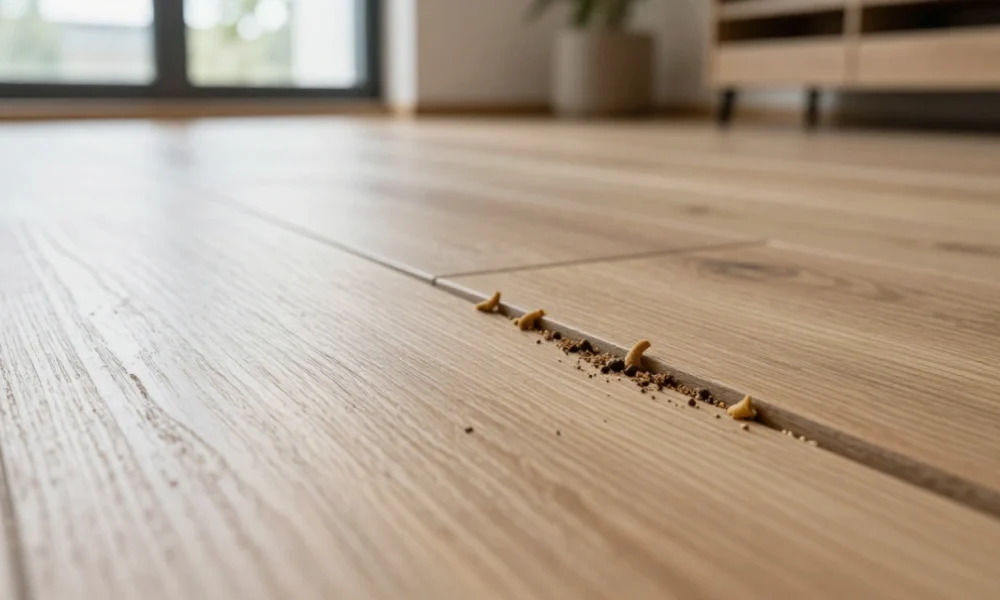
- Damaged Wood: Wood that sounds hollow when tapped or has a blistered, cracked appearance. Frass, which are small, hexagonal pellets, may accumulate near kick-out holes made by drywood termites.
- Discarded Wings: After swarming to mate, reproductive termites shed their wings. Finding small piles of identical wings near windowsills or doors is a strong indicator of an infestation
- Swarmers: Seeing winged insects inside the home, especially in spring or fall, often suggests an established colony is nearby .
To make a home less inviting to termites, focus on eliminating the conditions they need to thrive: food, moisture, and shelter .
- Manage Moisture: Repair leaking faucets and pipes. Ensure gutters are clean and downspouts direct water away from the foundation. Improve ventilation in crawl spaces to reduce humidity.
- Eliminate Wood-to-Ground Contact: Remove any wood debris, old stumps, or form boards from around the foundation. Store firewood at least 15-20 feet away from the house and elevate it off the ground
- Inspect and Seal: Regularly inspect the foundation for cracks and seal them. Check wooden fences, decks, and siding to ensure they are not in direct contact with soil. If possible, create a barrier of stone or sand between muthe lch and the foundation.
While these steps are effective for prevention, eliminating an active infestation requires professional intervention. Pest control experts have the training and tools, such as liquid termiticides, baiting systems, and fumigation, to locate and eradicate colonies completely. Scheduling regular professional inspections is the most reliable way to ensure a wooden home remains a safe and structurally sound haven for years to come.