

The TM Flow System: Enhancing Diagnostic Accuracy and Chronic Disease Management
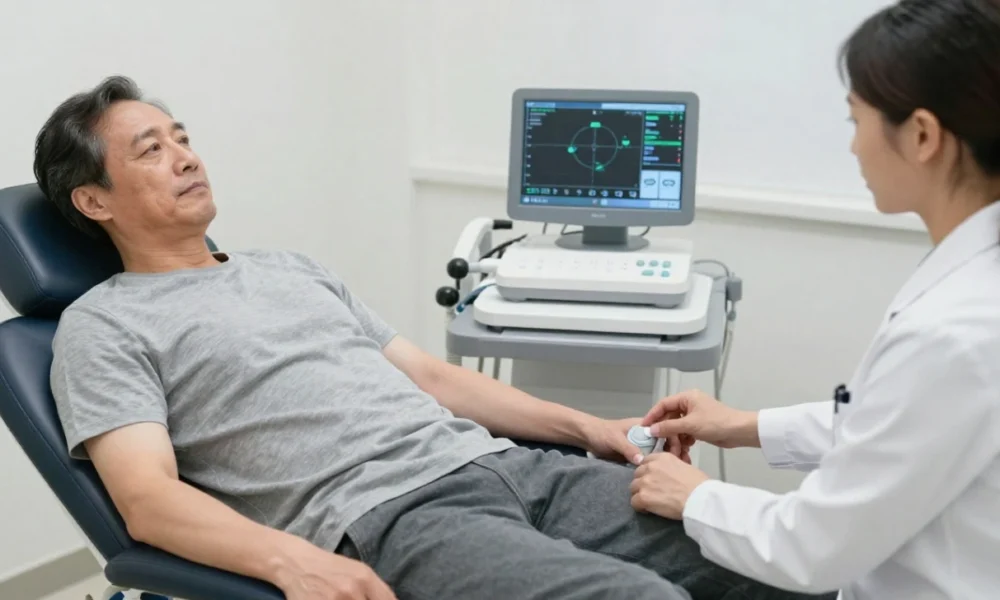
In modern medical practice, efficiency must align with clinical effectiveness. The TM Flow System is an integrated diagnostic platform designed to support healthcare providers in assessing autonomic nervous system function, vascular health, and early signs of chronic disease. By combining multiple tests into a single, non-invasive session, the system aims to streamline workflows, improve patient engagement, and provide objective data for long-term care planning
Table Of Content
- What Is the TM Flow System?
- More Assessments Included
- Streamlined Diagnostic Processes
- Rapid and Comprehensive Assessments
- Real-Time Data Analysis
- Enhanced Patient Management
- Personalized Treatment Plans
- Continuous Monitoring for Chronic Conditions
- Case Examples: Real-World Impact
- Reduced Administrative Burden
- Integrated Electronic Health Records (EHR)
- Automated Documentation and Reporting
- Improved Patient Engagement
- Clear and Understandable Reports
- Enhanced Communication
- Financial and Operational Benefits
- Reimbursable CPT Codes
- Cost-Effective Operations
- Practice Differentiation
- Integrating TM Flow Into Chronic Disease Management
- Strengthening Ongoing Care
- Supporting Hypertension and Cardiovascular Risk Management
- Enhancing Documentation for Quality Reporting
- Practical Integration Into Clinical Workflow
- Staff Training and Workflow Adjustment
- Patient Selection
- Considerations Before Adoption
- Conclusion
What Is the TM Flow System?
The TM Flow System is a diagnostic hardware and software platform that enables in-office testing of key physiological markers. It is designed for use by primary care physicians, cardiologists, endocrinologists, neurologists, and other specialists . The system integrates several assessments into one procedure, typically completed in 7 to 12 minutes .
More Assessments Included
- Ankle-Brachial Index (ABI): Measures blood pressure at the ankle and arm to screen for peripheral arterial disease (PAD) .
- Sdomotor Function Testing: Assesses small fiber nerve function by evaluating sweat gland response, aiding in early detection of small fiber neuropathy.
- Heart Rate Variability (HRV) and Photoplethysmography (PPG): AAnalyzeautonomic balance and vascular flow properties .
- Cardiac Autonomic Reflex Tests (EWING Tests): Includes maneuvers such as deep breathing and postural changes to evaluate autonomic function .
The system is FDA-cleared for these indications and produces structured reports that can be integrated into electronic health records (EHR).
Streamlined Diagnostic Processes
Rapid and Comprehensive Assessments
Traditional diagnostic workflows often require separate devices and appointments for vascular, autonomic, and neuropathy testing. The TM Flow System consolidates these into a single session, reducing the need for multiple devices and simplifying the diagnostic process. Its non-invasive approach also minimizes patient discomfort and anxiety .
Real-Time Data Analysis
Test results are available immediately after completion, allowing practitioners to discuss findings with patients during the same visit. This real-time feedback supports timely clinical decision-making and reduces waiting periods for diagnosis
Enhanced Patient Management
Personalized Treatment Plans
The detailed physiological data provided by the TM Flow System enables healthcare providers to tailor interventions to individual patient profiles . For example, abnormal ABI findings may prompt earlier vascular referral, while sudomotor dysfunction can guide diabetes management adjustments.
Continuous Monitoring for Chronic Conditions
For patients with chronic diseases such as diabetes or hypertension, serial testing with the TM Flow System allows clinicians to track changes in vascular and autonomic function over time. This longitudinal data supports proactive adjustments to treatment plans and helps document response to therapy .
Case Examples: Real-World Impact
- Early Diabetic Neuropathy: A 55-year-old with type 2 diabetes and mild foot tingling underwent TM Flow testing, which revealed reduced sudomotor function and low HRV, confirming early autonomic neuropathy. Lifestyle and medication adjustments led to symptom improvement within six months .
- Peripheral Arterial Disease Detection: A 67-year-old smoker with calf cramps had an ABI of 0.74 bilaterally, prompting referral for Doppler confirmation and early initiation of antiplatelet therapy, preventing ulceration .
- Autonomic Dysfunction in Hypertension: A hypertensive patient with unexplained fatigue showed sympathetic over-activation on HRV testing. Medication adjustment and stress management normalized readings over three months.
Reduced Administrative Burden
Integrated Electronic Health Records (EHR)
The TM Flow System is designed to interface with EHR systems, ensuring that patient data is captured, stored, and retrieved efficiently. This integration reduces manual data entry, minimizes errors, and supports seamless documentation .
Automated Documentation and Reporting
The system automatically generates chart-ready reports that summarize key findings and risk stratification. This feature saves staff time and ensures consistent, accurate record-keeping
Improved Patient Engagement
Clear and Understandable Reports
Test results are presented in a format that patients can readily comprehend, with visual displays of ABI values, HRV metrics, and sudomotor function . This clarity helps patients understand their health status and the rationale for recommended interventions .
Enhanced Communication
Immediate availability of results facilitates discussion between patients and providers during the same appointment. When improvements are shown over time, patients can see the impact of adherence to medications and lifestyle changes, reinforcing positive behaviors
Financial and Operational Benefits
Reimbursable CPT Codes
The TM Flow System supports billing for multiple CPT codes, including:
- 93922 (Ankle-Brachial Index)
- 95921 (Autonomic Function Testing)
- 95923 (Sudomotor Testing)
Some practices report average reimbursements of $200–$300 per test session when combining these codes .
Cost-Effective Operations
By consolidating multiple tests into one device and reducing test duration, the TM Flow System lowers operational costs and increases patient throughput . Practices can offer advanced screening services without significant expansion of staff or space.
Practice Differentiation
Offering comprehensive autonomic and vascular screening in-office can distinguish a practice and attract new patients seeking preventive care. It also positions the clinic as a referral hub for vascular and neurovascular risk assessment .
Integrating TM Flow Into Chronic Disease Management
Strengthening Ongoing Care
Chronic conditions such as diabetes, hypertension, and metabolic syndrome often involve vascular and autonomic dysfunction that may go undetected until complications arise . The TM Flow System provides objective data that helhelpsinicians refine risk assessments and adjust treatment plans earlier .
Supporting Hypertension and Cardiovascular Risk Management
Hypertensive patients benefit from regular assessment of autonomic balance and vascular health. Reduced HRV may signal inadequate control or elevated cardiovascular risk, while ABI testing can identify subclinical PAD, a marker of systemic atherosclerosis .
Enhancing Documentation for Quality Reporting
Structured, trendable reports support chronic care management requirements and quality reporting initiatives. Clinicians can document physiologic responses to treatment and justify further diagnostic evaluation when needed .
Practical Integration Into Clinical Workflow
Staff Training and Workflow Adjustment
Successful implementation includes training staff in sensor placement, patient preparation, and report interpretation. Many vendors provide onboarding support. Testing can be performed by trained staff during routine follow-up visits without disrupting clinic flow.
Patient Selection
Ideal candidates for TM Flow screening include patients with:
- Diabetes or metabolic syndrome
- Hypertension
- Smoking history
- Neuropathic symptoms (numbness, tingling)
- Obesity
- Known or suspected PAD
Considerations Before Adoption
Practices should evaluate upfront costs, expected return on investment, patient volume, and recurring expenses such as disposables and maintenance. While reimbursement potential is attractive, clinical appropriateness and workflow fit remain paramount .
Conclusion
The TM Flow System offers a practical solution for integrating comprehensive autonomic and vascular testing into primary care and specialty practice. By combining multiple assessments in a single, rapid, non-invasive session, it supports early detection of neuropathy, PAD, and autonomic dysfunction . Its structured reporting and EHR integration reduce administrative burden, while reimbursable CPT codes contribute to financial sustainability . For healthcare providers seeking to enhance diagnostic accuracy, improve chronic disease management, and engage patients in preventive care, the TM Flow System represents a valuable addition to the clinical toolkit.